Neighbor News
Angina and Your Heart: Symptoms, Risks, and Prevention
Angina is chest pain from reduced heart blood flow. Recognize symptoms, manage risks, and follow heart-healthy habits for prevention.

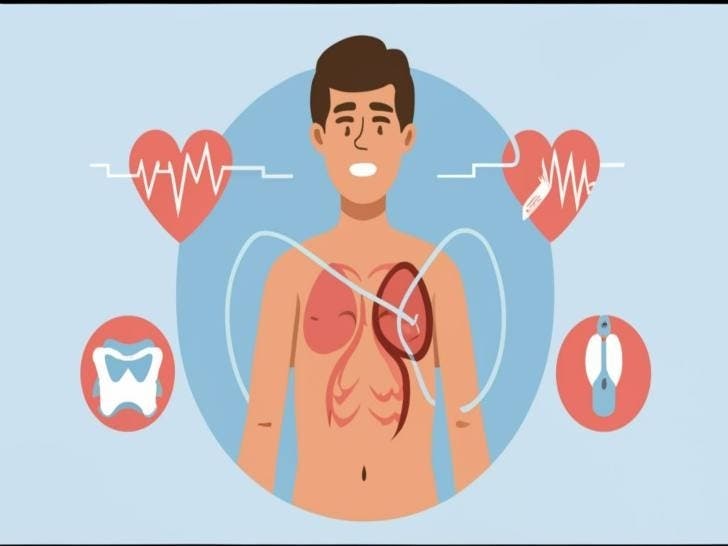
Angina is a term that many people hear but few truly understand. Often described as chest discomfort or pain, angina is not a disease itself, but a symptom of an underlying heart problem, usually coronary artery disease (CAD). Understanding angina—the causes, symptoms, risks, and preventive measures—can empower you to take control of your heart health and potentially prevent serious complications like heart attacks.
What Is Angina?
Angina occurs when the heart muscle doesn’t get enough oxygen-rich blood. This usually happens because the coronary arteries, which supply blood to the heart, become narrowed or blocked due to plaque buildup. Plaque is made up of fat, cholesterol, and other substances. When the blood flow is restricted, your heart struggles to meet its oxygen needs, resulting in discomfort or pain.
There are two main types of angina:
Find out what's happening in East Brunswickfor free with the latest updates from Patch.
- Stable Angina – This is the most common type. It usually occurs with physical exertion or emotional stress and follows a predictable pattern. The discomfort often goes away with rest or medication.
- Unstable Angina – This type is more dangerous and can occur unexpectedly, even at rest. It is unpredictable and may signal a higher risk of heart attack, requiring immediate medical attention.
For those seeking medical advice, CARDIOLOGY Angina specialists emphasize the importance of understanding the differences between stable and unstable angina to manage risks effectively.
Recognizing the Symptoms
Angina doesn’t always present itself as the dramatic chest-clutching pain often depicted in movies. Symptoms can be subtle, especially in women, older adults, and people with diabetes. Common signs include:
Find out what's happening in East Brunswickfor free with the latest updates from Patch.
- Chest pain or discomfort: Often described as pressure, tightness, or squeezing in the chest.
- Pain radiating to other areas: Discomfort may spread to the shoulders, arms, neck, jaw, or back.
- Shortness of breath: Feeling unusually winded during mild activity.
- Fatigue: Unexplained tiredness, especially with exertion.
- Nausea or dizziness: Sometimes accompanied by sweating.
If you experience new, severe, or prolonged chest pain, it’s crucial to seek immediate medical care, as it could indicate a heart attack rather than angina.
Understanding the Risks
Angina itself is a warning signal that your heart is under stress. Several factors increase your risk of developing angina, most of which are linked to coronary artery disease:
- High blood pressure: Forces your heart to work harder, damaging arteries over time.
- High cholesterol: Leads to plaque buildup in the coronary arteries.
- Smoking: Contributes to artery narrowing and reduces oxygen in the blood.
- Diabetes: Can damage blood vessels and increase CAD risk.
- Obesity: Excess weight puts strain on the heart and contributes to high blood pressure and diabetes.
- Sedentary lifestyle: Lack of physical activity weakens the cardiovascular system.
- Family history: Genetics can play a significant role in heart disease risk.
Understanding these risk factors is key because angina often develops gradually. Lifestyle changes and medical management can dramatically reduce the likelihood of serious complications.
Prevention and Lifestyle Changes
Preventing angina is closely tied to heart health. While medications and interventions may be necessary for those already diagnosed, lifestyle choices remain the foundation of prevention:
- Maintain a heart-healthy diet: Focus on fruits, vegetables, whole grains, lean proteins, and healthy fats. Reduce saturated fats, trans fats, and excessive salt.
- Exercise regularly: Aim for at least 150 minutes of moderate aerobic activity weekly, unless otherwise advised by your doctor. Exercise strengthens the heart and improves blood flow.
- Quit smoking: Smoking damages arteries and accelerates plaque buildup. Quitting dramatically lowers cardiovascular risk.
- Manage stress: Chronic stress raises blood pressure and heart rate. Meditation, yoga, and deep-breathing exercises can help.
- Monitor blood pressure and cholesterol: Regular checkups allow early detection and management of risk factors.
- Maintain a healthy weight: Even modest weight loss can reduce strain on the heart.
- Control diabetes: Keeping blood sugar levels in check prevents vascular damage.
When Medical Intervention Is Necessary
Lifestyle modifications can go a long way, but some cases of angina require medical treatment. Doctors may recommend medications to improve blood flow, lower cholesterol, or control blood pressure. In more severe cases, procedures like angioplasty or coronary artery bypass surgery may be necessary to restore adequate blood flow.
Regular checkups are essential. Even if angina symptoms are mild, ignoring them can increase the risk of a heart attack. Early detection, combined with lifestyle changes and proper treatment, can help you live a longer, healthier life.
The Bottom Line
Angina is a warning sign—a signal that your heart needs attention. By recognizing the symptoms, understanding the risks, and adopting preventive measures, you can protect your heart and reduce the likelihood of serious cardiac events. Your heart works tirelessly for you every day; giving it the care it deserves, such as consulting experts at Liv Hospital, can make a profound difference in your quality of life.
Understanding angina isn’t just about preventing pain—it’s about empowering yourself to make informed choices that support long-term heart health. Paying attention to subtle signs, managing risk factors, and committing to a heart-healthy lifestyle, with guidance from specialized centers like Liv Hospital, can help you keep your heart strong for years to come.