Neighbor News
Can Electronic Records Really Improve Communication in Healthcare?
Electronic health records streamline communication, uniting patients and providers for safer, faster, and more coordinated healthcare.

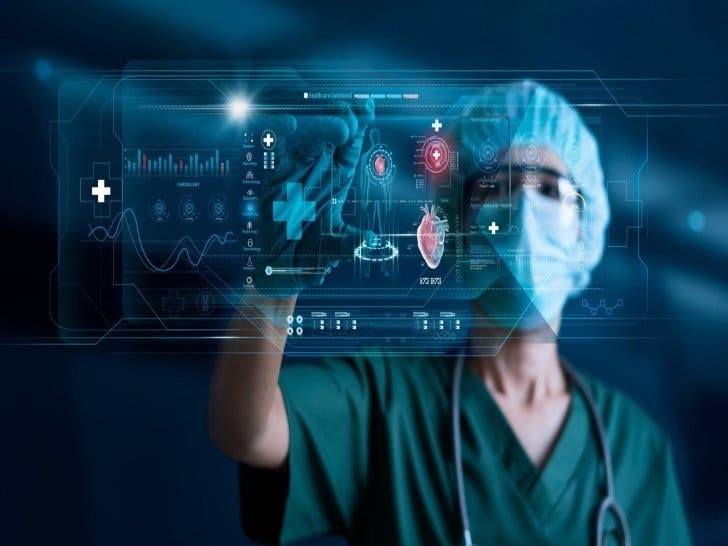
Imagine walking into your doctor’s office and never having to repeat your medical history again. That’s the promise of electronic records. In today’s fast-moving healthcare world, clear and accurate communication is the backbone of good care. Yet, miscommunication between doctors, nurses, and patients is still one of the biggest causes of mistakes.
Electronic health records are designed to bridge that gap, offering quick access to information and reducing confusion. But do they really make conversations smoother, or do they add more screens between people? Let’s explore how digital records shape the way healthcare professionals and patients connect.
The Current State of Healthcare Communication Challenges
Research tells us: About 52% of participants indicated that the EHR improves communication and 38% agreed that the EHR enables high-quality care. Yet countless healthcare organizations still wrestle with information systems that refuse to play nicely together.
Find out what's happening in East Brunswickfor free with the latest updates from Patch.
Think about it: when was the last time you needed patient information that was sitting in another department's filing cabinet?
Breaking Down Communication Barriers Between Medical Teams
Ever notice how medical teams operate like isolated kingdoms? Each department maintains its own protocols and systems. Doctors rely on phone calls, nurses use handwritten notes, specialists send faxes; it's like watching a medieval communication system trying to handle space-age medicine.
Find out what's happening in East Brunswickfor free with the latest updates from Patch.
Shift changes make everything worse. Crucial details vanish during handoffs. Medications get skipped. Treatment plans become muddy. If you're wondering what is an EHR system, think of it as creating shared digital workspaces where every team member accesses identical, up-to-the-minute patient information. No more playing telephone with critical medical data.
Patient Data Fragmentation Across Healthcare Systems
Your patient's medical story is scattered like puzzle pieces across different locations. Hospital A has surgical records. Clinic B maintains lab results. The primary care office keeps its own separate files. This fragmentation forces providers to make crucial decisions with incomplete pictures, leading to redundant testing and potentially dangerous medication interactions.
The Cost of Poor Communication in Healthcare Settings
Poor communication doesn't just waste money—it wastes enormous amounts of it. Duplicate tests drain budgets. Medication errors create legal nightmares and extended hospital stays. But the human cost? That's immeasurable when communication failures contribute to preventable patient harm.
These staggering communication failures, costing healthcare billions annually while endangering patients, make electronic health records the logical digital solution for bridging these critical gaps.
Electronic Health Records: The Digital Solution to Communication Gaps
Digital health records fundamentally reshape how healthcare information flows. Instead of paper-based chaos, you get interconnected networks supporting instant information sharing. These platforms build centralized databases where any authorized provider can access complete patient information immediately.
Core Components of Modern Digital Health Records
Today's systems pack everything into one accessible location: patient demographics, complete medical histories, current medications, allergy alerts, laboratory results, imaging studies. Built-in messaging lets providers discuss specific patients directly, while smart alerts catch potential problems before they escalate into crises.
Real-Time Information Sharing Capabilities
Unlike paper records stuck in one location, digital systems let multiple providers view and update patient information simultaneously. A cardiologist reviews fresh lab results while a primary care doctor documents new symptoms, all happening in real-time without conflicts or delays.
Now that you understand how EHR systems tackle communication barriers through digital infrastructure, let's explore the concrete benefits healthcare organizations are actually experiencing.
Proven Advantages of Electronic Records in Healthcare Communication
Healthcare facilities using comprehensive EHR systems report dramatic improvements in care coordination and provider satisfaction. The advantages of electronic records reach far beyond simply converting paper files to digital format.
Instant Access to Patient Histories Across Departments
Emergency room physicians can instantly pull up complete medical histories—recent surgeries, current medications, known allergies. This immediate access prevents dangerous drug interactions and enables informed decision-making, even when patients can't communicate effectively.
Automated Alerts and Clinical Decision Support
Smart systems continuously monitor patient data, automatically alerting providers when lab values become dangerous or when prescribed medications might interact. EHRs present a possibility for continuous and automated data extraction for real-time monitoring of the quality of care and for providing direct feedback to patients, medical professionals and health insurance companies .
Standardized Medical Terminology and Documentation
Digital systems enforce consistent terminology and documentation standards, eliminating misunderstandings from different abbreviations or informal notes. This standardization ensures important information communicates clearly across all care teams.
These foundational benefits have transformed many healthcare facilities, but cutting-edge EHR systems introduce revolutionary features that push communication capabilities even further.
Revolutionary Communication Features in Next-Generation EHR Systems
Advanced EHR platforms incorporate artificial intelligence and machine learning technologies that actively support healthcare communication in ways never before possible. These innovations move beyond basic data storage to provide intelligent insights and predictive analytics.
AI-Powered Patient Risk Assessment Notifications
Machine learning algorithms analyze patient data patterns, identifying individuals at risk for complications and automatically notifying care teams when intervention might be needed. This proactive approach prevents emergencies rather than just responding after they occur.
Voice-to-Text Documentation with Natural Language Processing
Providers now dictate notes directly into EHR systems using natural language while AI converts speech to structured data automatically. This reduces manual data entry time and allows more meaningful patient interactions.
Beyond innovative communication tools, modern EHR systems' true power lies in transforming raw patient data into actionable insights that enhance care coordination.
Improving Healthcare Communication Through Advanced EHR Analytics
Data analytics capabilities built into modern EHR systems help healthcare organizations identify communication patterns, workflow bottlenecks, and improvement opportunities. These insights enable continuous care delivery process refinement.
Predictive Analytics for Proactive Patient Care Coordination
Advanced algorithms analyze historical patient data, predicting which individuals might need additional support or face readmission risk. Care teams receive automatic notifications, enabling proactive outreach rather than waiting for problems to develop.
Quality Metrics Dashboard for Care Team Performance
Real-time dashboards show how well different departments communicate and collaborate, highlighting areas where additional training or process improvements might enhance patient outcomes.
While analytics optimize internal healthcare team communication, EHR systems simultaneously revolutionize how providers connect with their most important stakeholders—patients themselves.
Patient Engagement Revolution with Electronic Health Records
Modern EHR systems include patient-facing portals that transform how individuals interact with healthcare providers, creating new communication channels between visits.
Patient Portal Communication Features
Secure messaging systems let patients ask questions, request prescription refills, and receive test results without playing phone tag with busy medical offices. This convenience improves satisfaction while reducing administrative overhead for healthcare staff.
Automated Appointment Reminders and Care Instructions
Smart systems send personalized reminders and care instructions via text, email, or app notifications, helping patients stay engaged with treatment plans while reducing appointment no-show rates.
Enhanced patient engagement represents just one communication puzzle piece—real transformation occurs when EHR systems seamlessly communicate with each other across different healthcare networks.
Transforming Healthcare Through Connected Communication
Electronic health records have evolved from simple digital filing systems into sophisticated communication platforms connecting patients, providers, and entire healthcare networks. Evidence shows clear improvements in care coordination, patient safety, and provider satisfaction when these systems are thoughtfully implemented.
While challenges like staff training and system integration require attention, communication benefits far outweigh initial hurdles. Healthcare organizations embracing comprehensive EHR solutions aren't just digitizing records; they're building foundations for truly connected, collaborative care that places patients at the center of seamless communication networks.
Common Questions About Electronic Health Records and Communication
How long does it take to see communication improvements after implementing electronic health records?
Most healthcare organizations report noticeable communication improvements within 3-6 months of EHR implementation, with full benefits typically realized after one year of consistent use and staff training.
Can electronic health records integrate with existing hospital communication systems?
Yes, modern EHR systems are designed with interoperability standards allowing integration with existing communication tools, laboratory systems, imaging equipment, and other healthcare technology platforms.
Do electronic health records improve communication with patients outside of office visits?
Absolutely. Patient portals, secure messaging, automated reminders, and real-time test result notifications create multiple communication channels that keep patients engaged between appointments.