Neighbor News
Cardiac Thrombosis Demystified: A Guide for Patients and Professionals
Cardiac thrombosis is a dangerous heart clot that raises stroke risk; early awareness, diagnosis, and treatment are key to prevention.

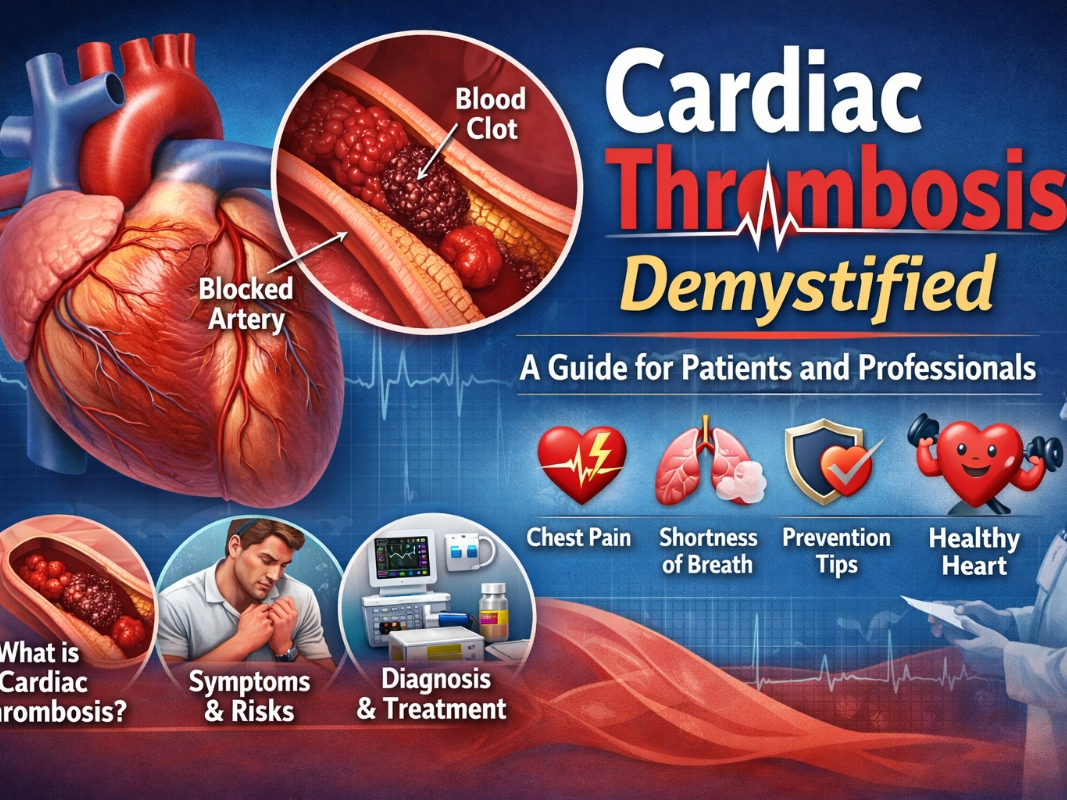
Cardiac thrombosis is a serious heart condition that often goes unnoticed until complications arise. Understanding its causes, risks, and management is crucial for both patients and healthcare professionals. This guide provides a comprehensive overview of cardiology cardiac thrombosis in a clear, human-centered way.
What is Cardiac Thrombosis?
Cardiac thrombosis refers to the formation of a blood clot (thrombus) inside the chambers of the heart. Unlike clots in veins or arteries, these develop directly within the heart, most commonly in the left ventricle or atria. Conditions such as atrial fibrillation, myocardial infarction, or cardiomyopathy increase the likelihood of clot formation. Although some clots may be asymptomatic, they carry serious risks including stroke, systemic embolism, and even sudden cardiac death.
How Cardiac Thrombosis Develops
The formation of a thrombus is closely linked to Virchow’s triad, which involves:
Find out what's happening in East Brunswickfor free with the latest updates from Patch.
- Abnormal blood flow – Turbulent or stagnant blood encourages clot formation.
- Endothelial injury – Damage to the inner lining of the heart can trigger clotting.
- Hypercoagulability – Conditions that increase the blood’s tendency to clot.
For example, atrial fibrillation creates irregular blood flow in the atria, while a weakened heart after a heart attack can allow blood to pool in the ventricles, both of which favor thrombus formation.
Risk Factors
Several factors increase the likelihood of cardiac thrombosis:
Find out what's happening in East Brunswickfor free with the latest updates from Patch.
- Advanced age
- Hypertension and diabetes
- Obesity and sedentary lifestyle
- Smoking and poor diet
- Genetic clotting disorders
- History of cardiovascular disease
Identifying these risk factors early allows healthcare providers to implement preventive strategies to reduce serious complications.
Diagnosis of Cardiac Thrombosis
Accurate diagnosis is essential. Common diagnostic tools include:
- Echocardiography – A non-invasive way to visualize the heart chambers.
- Transesophageal echocardiography – Offers detailed views of atria to detect smaller clots.
- Cardiac MRI and CT scans – Provide more comprehensive imaging in complex cases.
Early and precise diagnosis not only informs treatment but also helps predict potential risks like embolism or stroke.
Treatment Options
Treatment depends on the clot’s size, location, and underlying cause. Approaches include:
- Anticoagulant medications – Drugs like warfarin or direct oral anticoagulants prevent clots from growing and reduce embolism risk.
- Surgical or percutaneous interventions – Used in cases where medication is insufficient or not possible.
- Management of underlying conditions – Controlling blood pressure, treating arrhythmias, and optimizing heart function are essential.
Lifestyle modifications and patient adherence to prescribed treatments play a vital role in preventing recurrence.
The Role of Patient Education
Patients must understand their condition and the importance of:
- Taking medications consistently
- Recognizing warning signs like chest pain or sudden neurological symptoms
- Attending regular follow-ups
- Maintaining a heart-healthy lifestyle
Clear communication between patients and healthcare providers ensures better outcomes and empowers individuals to participate actively in their care.
Cardiac Thrombosis in Modern Cardiology
For healthcare professionals, cardiac thrombosis presents both challenges and opportunities. Research is advancing in:
- New anticoagulants – With improved safety and predictable effects
- Minimally invasive clot removal techniques
- Advanced imaging technologies – For earlier and more precise diagnosis
Multidisciplinary collaboration among cardiologists, hematologists, radiologists, and primary care physicians ensures that patients receive comprehensive care.
Institutions like Liv Hospital are at the forefront of integrating these advanced diagnostic and treatment protocols, showcasing how innovation and expertise combine to improve patient outcomes.
Conclusion
Cardiac thrombosis, though complex, is manageable with timely diagnosis, effective treatment, and patient engagement. Awareness, adherence to treatment, and lifestyle modifications dramatically reduce complications. For professionals, understanding the underlying mechanisms, risk factors, and emerging therapies ensures optimal patient care. By demystifying cardiac thrombosis, patients and healthcare providers can approach this condition with confidence, clarity, and control.