Neighbor News
A Church for Everyone: The Emergence of Non-Denominational Communities
Non-denominational churches offer inclusive flexible faith with modern worship and authentic community, welcoming people of all backgrounds.

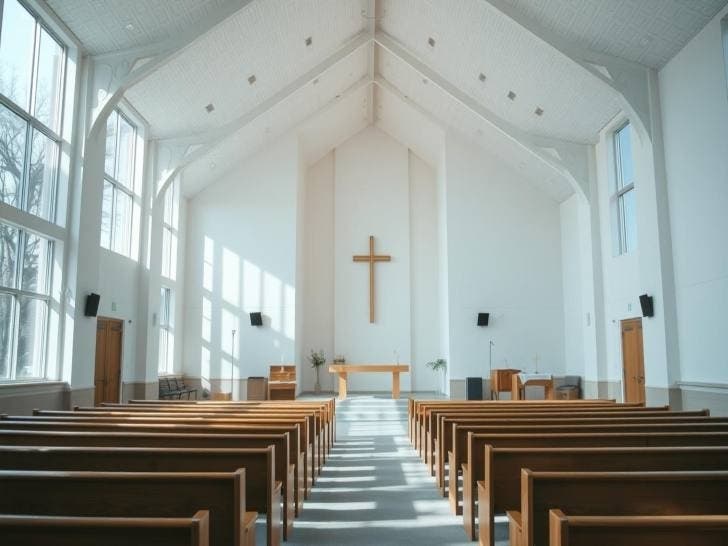
In recent decades, many people have been seeking spiritual spaces that feel welcoming, inclusive, and adaptable. Non-denominational communities have emerged as a response to this desire, offering a fresh approach to faith that resonates with people from all walks of life. Unlike traditional denominational churches, which often emphasize doctrinal boundaries, non-denominational churches focus on core principles of faith, meaningful worship, and authentic community.
What Is a Non-Denominational Church?
A non denominational church is a Christian community that does not align itself with a specific denomination. This means it avoids rigid doctrinal labels and allows for a more flexible, inclusive approach to spirituality. Members can explore their faith without feeling pressured to conform to longstanding rules or traditions. This accessibility is particularly appealing to those who may have felt alienated by conventional churches or judged for their personal struggles.
Modern Worship for a Modern World
One of the most noticeable features of non-denominational churches is their contemporary approach to worship. Services often include modern music, engaging sermons, and interactive elements designed to resonate with congregants of all ages. This fresh style of worship allows individuals, particularly younger generations, to connect spiritually without feeling disconnected from cultural realities.
Find out what's happening in East Brunswickfor free with the latest updates from Patch.
Many non-denominational communities also emphasize practical applications of faith, encouraging members to live out spiritual values in everyday life. This approach ensures that the church is not just a Sunday experience, but a guiding force for personal growth and community impact.
Building Community Beyond Sunday
Non-denominational churches place a strong emphasis on relationships. Unlike some larger denominational churches where members can feel anonymous, these communities prioritize small groups, volunteer programs, and social events. This focus fosters genuine connections and ensures that members feel supported in both spiritual and personal challenges.
Find out what's happening in East Brunswickfor free with the latest updates from Patch.
For many people, the sense of family and belonging cultivated in non-denominational communities is a major reason for their engagement. Here, joys are celebrated collectively, and struggles are met with empathy and care, making the church experience deeply meaningful.
Flexibility and Inclusivity
Another defining feature of non-denominational communities is their flexibility. While traditional churches may require strict adherence to specific doctrines, non-denominational churches emphasize core Biblical teachings while encouraging questions and dialogue. This inclusive environment is particularly attractive to those exploring faith, recovering from spiritual doubt, or seeking a fresh start in their spiritual journey.
Interestingly, some of these communities draw inspiration from practices found in a pentecostal church, incorporating dynamic worship and a spirit-led approach to teaching. Yet, they remain independent of rigid denominational boundaries, offering a space that feels personal, yet connected to a larger spiritual tradition.
Reflecting Societal Shifts
The rise of non-denominational churches aligns with broader cultural trends emphasizing authenticity, inclusivity, and personal choice. These communities often champion social causes, support outreach programs, and provide opportunities for global missions. Such initiatives appeal to individuals who want their faith to have practical, real-world impact.
Additionally, many non-denominational churches leverage technology to maintain community engagement. Online services, social media groups, and digital platforms allow congregants to stay connected beyond the church building. This adaptability not only strengthens relationships but also reaches people who might otherwise lack access to traditional church settings.
A Church for Everyone
Ultimately, non-denominational communities represent a shift in how people experience faith. They prioritize connection, authenticity, and spiritual growth over labels and rituals. By providing an inclusive environment, they invite individuals from diverse backgrounds to explore spirituality on their own terms while being part of a supportive community.
The growth of these churches highlights the universal desire for belonging, hope, and meaningful relationships. In a fragmented world, non-denominational communities offer a spiritual home where everyone can feel welcome—truly a church for everyone.