Neighbor News
A Conversation with Jeff Radwell on Focus, Discipline, and Innovation
Jeff Radwell's Humanism in the Modern World warns of algorithmic control, the decline of intellectual independence

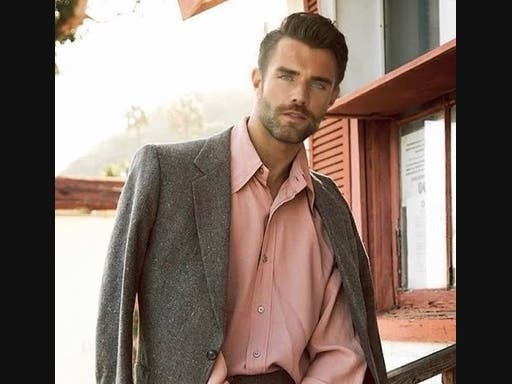
Entrepreneur and author Jeff Radwell does not seem like someone preoccupied with the survival of humanism, at least not at first glance. He has the manner of a scientist, someone who understands the mechanics of things, who has spent enough time with formulas and patents and lab-grown breakthroughs to know how systems work and, more importantly, how they fail. His professional background, a mix of molecular genetics, cancer immunology, and machine learning, suggests a man fluent in data, someone who has learned to navigate cold logic. But in conversation, his concerns are not about numbers. He wants to talk about the slow erosion of intellectual independence, the way algorithmic control has crept in like water seeping through cracked foundations, so quietly that by the time you notice, you’re already standing in the flood.
Radwell has authored Humanism in the Modern World at a time when public discourse feels less like an exchange of ideas and more like an ongoing performance, where certainty is rewarded and doubt, once the source of meaningful inquiry, has been banished like an unwelcome guest. The book is both a history and a warning, charting the moments when humanism flourished despite resistance and examining the forces now determined to replace it with something cheaper, more marketable, easier to digest. “We’re watching the conversion of intellectual engagement into a kind of content,” he says, not with anger, but with the bemused resignation of someone who has seen the pattern before. “People think they’re having debates, but mostly, they’re just playing to an audience.”


We walk through the grounds of his Topanga Canyon retreat, a space designed for a particular kind of escapism. Other than the old oaks that stretch to give canopy overhead, the landscape is sparse, warm earth, curated greenery. The teepee stands deliberately center, pristine and symmetrical, its white canvas stark against the muted tones of the surrounding landscape. It is a place that invites people to feel removed from the world while still holding onto its comforts, a retreat that is more about atmosphere than wildness. The interior reflects the contradictions of a man equally comfortable in the realms of science and art. Like the owner, this is a house that knows exactly what it is. The wood paneling, warm, insistently unvarnished, suggests a commitment to a particular aesthetic, a rejection of the glossy, high-contrast interiors that populate the pages of design magazines. It is not trying to impress. There are traces of past obsessions arranged without ceremony. It is less a space and more an ongoing conversation, a reflection of the way Radwell moves through the world, collecting, questioning, revising. He does not present himself as an activist, and when asked about his role in diversity initiatives, he waves off the question with the weariness of someone tired of slogans. “It’s not about a statement,” he says. “It’s about reality. You don’t get innovation without variation. That’s just science.”
Find out what's happening in East Brunswickfor free with the latest updates from Patch.
Humanism in the Modern World does not preach, nor does it pretend that history moves in a straight line. Radwell traces the cycles of intellectual revival and suppression, from 19th-century radical salons to the mid-century academic debates that now seem almost quaint in their civility. What distinguishes this moment, he argues, is the way control has been outsourced, not to governments or censors, but to the mechanisms of attention itself. “There’s no need to suppress ideas when you can simply drown them out,” he says.
He does not care for performative outrage, though he understands its uses. “You have to capture attention,” he admits, but he is skeptical of what happens after the attention fades. “People love the theater of change. The work is less exciting.” He does not see himself as part of any movement. "I'm not trying to be in the spotlight," he says with a faint half-smile, as if the idea holds no appeal. "I just want to make sure we don’t lose the thread completely."
Find out what's happening in East Brunswickfor free with the latest updates from Patch.
Radwell’s interest is not in spectacle, but in endurance. The question, as always, is what remains once the noise dies down.