Neighbor News
Direct to Film (DTF) Transfers: The Future of Textile Printing
This article delves into the intricacies of DTF transfers, exploring their process, advantages, applications, and why they represent a

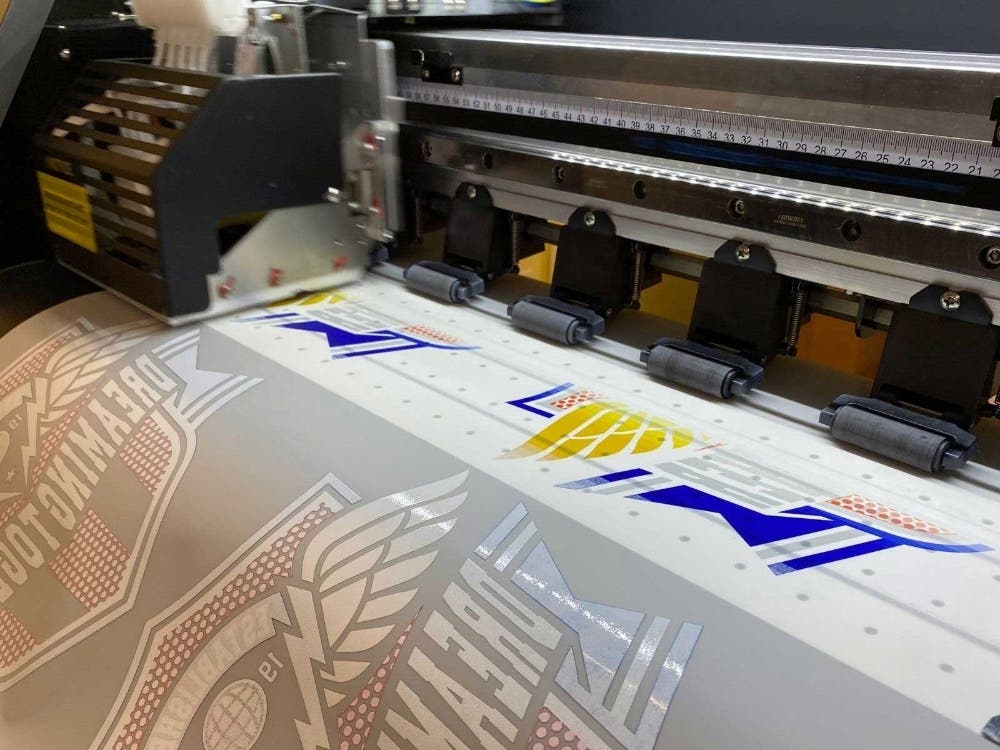
The world of textile printing has seen numerous innovations over the years, each bringing unique benefits to the table. Among the most exciting developments in recent times is Direct to Film (DTF) transfers, a technology that is rapidly gaining popularity due to its versatility, efficiency, and high-quality output. This article delves into the intricacies of DTF transfers, exploring their process, advantages, applications, and why they represent a significant leap forward in the textile printing industry.
The Evolution of Textile Printing
To appreciate the significance of DTF transfers, it's essential to understand the context of their emergence. Traditional methods like screen printing, heat transfer vinyl (HTV), and direct-to-garment (DTG) printing have long dominated the industry. Each of these methods has its strengths and weaknesses. For example, screen printing is excellent for bulk orders but can be cost-prohibitive for small runs due to the setup involved. HTV offers more flexibility but is limited in design complexity and can be time-consuming. DTG printing, while capable of producing high-quality prints with a broad color spectrum, is not always suitable for all fabric types and can be expensive.
DTF transfers aim to bridge the gaps left by these traditional methods, offering a solution that combines the best aspects of existing technologies while minimizing their limitations.
Find out what's happening in East Brunswickfor free with the latest updates from Patch.
What is Direct to Film (DTF) Transfer?
DTF transfer is a printing process that involves transferring designs onto garments using a specially coated film. Unlike DTG, which prints directly onto the fabric, DTF prints the design onto a film first. This film is then coated with a hot-melt powder, which acts as an adhesive when heat is applied. The design is then transferred from the film to the garment using a heat press.
The key components of the DTF process include:
- Printer and Inks: A DTF printer, which is typically an adapted inkjet printer, uses special textile inks. These inks are designed to adhere to the film and produce vibrant, durable prints.
- Transfer Film: The film used in DTF printing is a crucial element. It is typically a PET (Polyethylene Terephthalate) film coated to hold the ink during printing and release it onto the fabric during transfer.
- Hot-Melt Adhesive Powder: After printing, the film is coated with a hot-melt adhesive powder, which ensures the design sticks to the fabric when heat is applied.
- Heat Press: The heat press transfers the design from the film to the garment. The application of heat and pressure activates the adhesive powder, bonding the design to the fabric.
The DTF Transfer Process
The DTF transfer process is straightforward but involves several critical steps to ensure high-quality results:
Find out what's happening in East Brunswickfor free with the latest updates from Patch.
- Design Preparation: The first step is to prepare the design using graphic design software. The design is then mirrored before printing to ensure it appears correctly on the garment.
- Printing: The mirrored design is printed onto the transfer film using the DTF printer. During this step, the printer applies the colors layer by layer, ensuring accurate color reproduction.
- Powder Application: Once the design is printed, the film is immediately coated with the hot-melt adhesive powder. This powder sticks to the wet ink on the film, creating a bond that will activate during the heat press process.
- Curing: After applying the adhesive powder, the film is cured to activate the adhesive. This can be done using an oven or a heat press, where the film is subjected to a controlled amount of heat.
- Transfer: The final step involves placing the film onto the garment and applying heat and pressure using a heat press. The adhesive melts and bonds the design to the fabric. Once cooled, the film is peeled away, leaving a vibrant and durable print.
Advantages of DTF Transfers
DTF transfers offer several advantages over traditional printing methods, making them an attractive option for businesses and hobbyists alike:
- Versatility: DTF transfers work on a wide variety of fabrics, including cotton, polyester, blends, and even non-textile materials like leather. This versatility makes DTF suitable for a range of applications, from t-shirts and hoodies to caps and bags.
- Cost-Effective for Small Runs: Unlike screen printing, which requires significant setup time and costs, DTF transfers are cost-effective even for small orders. This makes it an excellent option for custom printing businesses catering to small or bespoke orders.
- High-Quality Prints: DTF transfers produce vibrant, high-resolution prints with excellent color reproduction. The prints are also durable, with good washability and resistance to fading and cracking.
- No Pre-Treatment Needed: Unlike DTG printing, which often requires the garment to be pre-treated to ensure the ink adheres properly, DTF does not require any pre-treatment. This simplifies the process and reduces the time and cost involved.
- Eco-Friendly: DTF printing uses water-based inks, which are less harmful to the environment compared to solvent-based inks used in other printing methods. Additionally, the process generates less waste, making it a more sustainable option.
- Ease of Use: The DTF process is relatively easy to learn and does not require extensive training or experience. This accessibility makes it a popular choice for small businesses and hobbyists looking to produce high-quality prints with minimal investment.
Applications of DTF Transfers
DTF transfers have a wide range of applications across various industries:
- Custom Apparel: One of the most common uses of DTF transfers is in custom apparel production. Businesses can create custom t-shirts, hoodies, jackets, and more, offering personalized designs for clients.
- Promotional Products: DTF transfers are ideal for producing promotional products such as caps, tote bags, and aprons. The ability to print on various materials makes it a versatile solution for promotional merchandise.
- Sportswear: The durability of DTF prints makes them suitable for sportswear, where garments are subjected to frequent washing and wear. Teams and clubs can use DTF transfers to create custom uniforms and merchandise.
- Home Decor: DTF transfers can also be used in home decor items like cushions, curtains, and tablecloths. The ability to print on different fabrics allows for creative and customized home decor solutions.
- Personalization and Gifting: With the rise of personalized gifts, DTF transfers offer a way to create unique, customized items for special occasions. From personalized t-shirts to custom pillowcases, the possibilities are endless.
The Future of DTF Transfers
As technology advances, the DTF process is expected to become even more efficient and accessible. Innovations in printer technology, film quality, and adhesive powders will likely enhance the quality and durability of DTF prints further. Additionally, as demand for eco-friendly solutions grows, the industry may see the development of even more sustainable materials and processes within the DTF ecosystem.
Moreover, as more businesses and individuals recognize the benefits of DTF transfers, the adoption of this technology is set to increase. This growth could lead to a broader range of applications and the continued evolution of textile printing as a whole.
Conclusion
Direct to Film (DTF) transfers represent a significant advancement in the textile printing industry. By combining versatility, cost-effectiveness, and high-quality output, DTF has emerged as a compelling alternative to traditional printing methods. Whether you're a business looking to expand your product offerings or a hobbyist exploring new creative avenues, DTF transfers offer a powerful tool to bring your designs to life on a wide range of fabrics and materials. As the technology continues to evolve, its potential applications are only set to grow, making DTF a key player in the future of textile printing.