Neighbor News
Exploring Sustainable Trends in Modern Gum Packaging
This article delves into the latest sustainable trends shaping the future of gum packaging, offering insights into materials, design

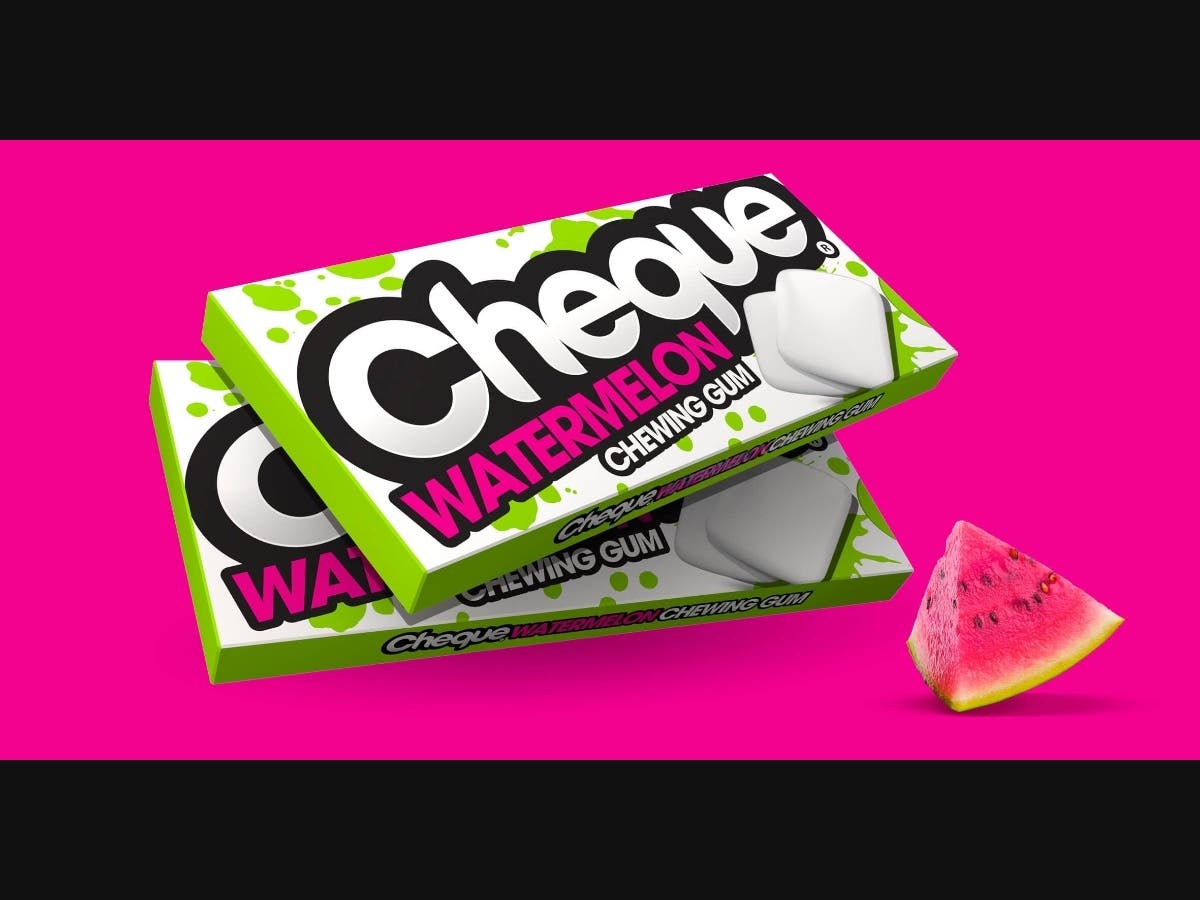
The packaging industry is evolving rapidly, with sustainability taking center stage. Modern gum packaging is no exception, as brands strive to reduce environmental impact while maintaining functionality and appeal. This article delves into the latest sustainable trends shaping the future of gum packaging, offering insights into materials, design, and consumer preferences.
The Rise of Eco-Friendly Materials
One of the most significant shifts in gum packaging is the adoption of eco-friendly materials. Traditional plastic packaging is being replaced by biodegradable and compostable alternatives. Materials like cornstarch, sugarcane fiber, and recycled paper are gaining popularity due to their minimal environmental footprint. These materials not only decompose naturally but also require less energy to produce.
For instance, some brands are using plant-based plastics derived from renewable resources. These materials break down more efficiently than conventional plastics, reducing landfill waste. Additionally, recycled paper and cardboard are being used to create sturdy and visually appealing gum boxes. This shift not only aligns with sustainability goals but also resonates with eco-conscious consumers.
Minimalist Design for Reduced Waste
Another trend in modern gum packaging is minimalist design. Brands are focusing on reducing excess packaging by eliminating unnecessary layers and components. This approach not only cuts down on waste but also lowers production costs. Simplified designs often feature sleek, modern aesthetics that appeal to consumers while promoting sustainability.
Minimalist packaging also emphasizes functionality. For example, compact gum boxes are designed to hold the product securely without additional plastic wrappers. This reduces material usage and makes recycling easier for consumers. By prioritizing simplicity, brands can create packaging that is both environmentally friendly and visually appealing.
Find out what's happening in East Brunswickfor free with the latest updates from Patch.
Biodegradable and Compostable Solutions
Biodegradable and compostable packaging solutions are becoming increasingly popular in the gum industry. These materials break down naturally, leaving no harmful residues behind. Compostable packaging, in particular, is designed to decompose in industrial composting facilities, turning into nutrient-rich soil.
Brands are experimenting with innovative materials like mushroom-based packaging and seaweed films. These options are not only sustainable but also offer unique textures and finishes. For example, some gum boxes are now made from mycelium, the root structure of mushrooms, which is both durable and biodegradable. Such innovations highlight the potential of natural materials in reducing packaging waste.
Consumer Demand for Sustainable Options
Consumer preferences are driving the shift toward sustainable gum packaging. Today’s shoppers are more informed and environmentally conscious than ever before. They actively seek out brands that prioritize sustainability and are willing to pay a premium for eco-friendly products.
Surveys show that a growing number of consumers consider packaging sustainability when making purchasing decisions. Brands that adopt green practices, such as using recyclable materials or reducing plastic usage, are likely to gain a competitive edge. By aligning with consumer values, companies can build stronger brand loyalty and contribute to a healthier planet.
Find out what's happening in East Brunswickfor free with the latest updates from Patch.
Innovations in Recyclable Packaging
Recyclable packaging is another key trend in the gum industry. Brands are designing packaging that can be easily recycled, ensuring it doesn’t end up in landfills. This involves using mono-materials, which are made from a single type of material, making them easier to process in recycling facilities.
For example, some gum boxes are now made entirely from recyclable cardboard, eliminating the need for mixed materials. This simplifies the recycling process and encourages consumers to dispose of packaging responsibly. Innovations like these demonstrate how recyclable packaging can be both practical and sustainable.
The Role of Technology in Sustainable Packaging
Technology plays a crucial role in advancing sustainable gum packaging. From material development to production processes, technological innovations are helping brands reduce their environmental impact. For instance, 3D printing is being used to create prototypes of eco-friendly packaging designs, allowing for faster and more efficient testing.
Additionally, smart packaging solutions are emerging, incorporating features like QR codes that provide information on recycling or sourcing. These technologies not only enhance the consumer experience but also promote transparency and sustainability. By leveraging technology, brands can stay ahead of the curve in the competitive packaging landscape.
Challenges in Adopting Sustainable Practices
While the shift toward sustainable gum packaging is promising, it is not without challenges. One major hurdle is the higher cost of eco-friendly materials compared to traditional plastics. This can be a barrier for smaller brands with limited budgets.
Another challenge is the lack of infrastructure for composting and recycling in some regions. Without proper facilities, even the most sustainable packaging may end up in landfills. Addressing these issues requires collaboration between brands, governments, and consumers to create a more supportive ecosystem for sustainable practices.
The Future of Gum Packaging
The future of gum packaging lies in continuous innovation and collaboration. As sustainability becomes a top priority, brands like IBEX Packaging will need to explore new materials, designs, and technologies to stay competitive. Consumer demand for eco-friendly options will continue to drive change, pushing the industry toward greener solutions.
In the coming years, we can expect to see more brands adopting circular economy principles, where packaging is designed to be reused, recycled, or composted. This holistic approach will not only reduce waste but also create a more sustainable future for the gum industry.
Conclusion
Sustainable trends in modern gum packaging are reshaping the industry, offering innovative solutions to reduce environmental impact. From eco-friendly materials to minimalist designs, brands are embracing practices that align with consumer values and promote a healthier planet. While challenges remain, the future looks promising as technology and collaboration pave the way for greener packaging solutions. By prioritizing sustainability, the gum industry can set an example for others to follow, proving that small changes can make a big difference.