Neighbor News
Heart Matters: Genetics, Disease, and the Future of Cardiac Care
Genetics is reshaping cardiology, revealing inherited heart risks early and enabling personalized prevention, smarter treatments, and better

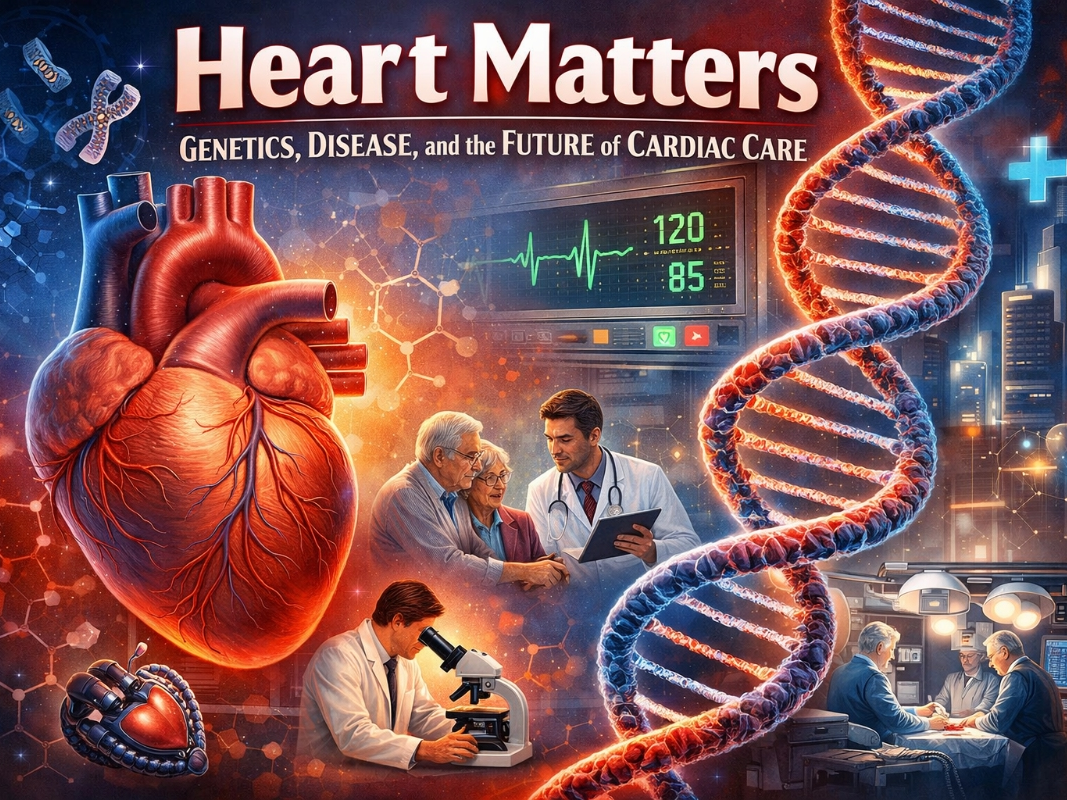
The human heart is more than just a vital organ pumping blood through our bodies—it is a complex and delicate system influenced by a variety of factors, including genetics, lifestyle, and environment. As medicine advances, the intersection of genetics and cardiology has emerged as a frontier that promises to transform the way we understand and treat heart disease.
Understanding the Genetic Blueprint of the Heart
Every heartbeat is governed not only by electrical impulses and physiological signals but also by the genetic code each of us carries. Our genes play a pivotal role in determining the structure and function of the heart. Conditions such as hypertrophic cardiomyopathy, long QT syndrome, and familial hypercholesterolemia are all examples of heart diseases directly linked to genetic mutations.
This is where the field of CARDIOLOGY Cardiogenetics comes into play. Cardiogenetics combines the principles of cardiology with advanced genetic testing to identify inherited heart conditions before they manifest clinically. By analyzing DNA, specialists can uncover mutations that increase the risk of arrhythmias, heart failure, or sudden cardiac death. Early detection through genetic screening allows for personalized interventions, potentially saving lives.
Find out what's happening in East Brunswickfor free with the latest updates from Patch.
Heart Disease: A Multifactorial Challenge
While genetics provides valuable insights, heart disease remains a multifactorial challenge. Lifestyle factors—such as diet, exercise, smoking, and stress—interact with genetic predispositions, shaping overall cardiac health. Even individuals with a lower genetic risk can develop cardiovascular problems if exposed to adverse environmental conditions. Conversely, those with high genetic susceptibility may prevent disease onset through proactive lifestyle adjustments and medical interventions.
Modern cardiology emphasizes this integrated approach, recognizing that treating heart disease is not just about responding to symptoms but also about addressing the root causes. For instance, personalized medicine allows clinicians to tailor medications and lifestyle recommendations based on an individual’s unique genetic profile, improving outcomes and minimizing side effects.
Find out what's happening in East Brunswickfor free with the latest updates from Patch.
Innovations Shaping the Future of Cardiac Care
The future of heart care lies at the intersection of genetics, technology, and personalized medicine. Artificial intelligence and machine learning are increasingly being used to analyze complex genetic and clinical data, enabling predictive models that identify at-risk patients before a crisis occurs.
Wearable technology, such as smartwatches and advanced cardiac monitors, allows continuous tracking of heart rhythms and blood pressure, providing real-time insights into cardiovascular health.
Gene therapy, once a concept relegated to research labs, is now moving toward clinical application. Scientists are exploring ways to correct harmful mutations in the heart’s genetic code, potentially reversing inherited cardiac conditions. Similarly, regenerative medicine, including stem cell therapies, is showing promise in repairing damaged heart tissue, offering hope to patients with heart failure or myocardial infarction.
The Role of Early Detection and Preventive Care
Prevention remains a cornerstone of effective cardiac care. Genetic testing, routine check-ups, and lifestyle monitoring work together to reduce the burden of heart disease. Clinics like Liv Hospital are leading the way by integrating advanced genetic screenings with conventional cardiology, providing patients with comprehensive evaluations and personalized care plans. Early identification of risk factors allows for interventions such as lifestyle modification, medication adjustments, or in some cases, surgical options to prevent progression and improve quality of life.
Public awareness is also crucial. Many people are unaware that heart disease can be inherited or that proactive steps can significantly reduce risk. Educational initiatives, community screenings, and patient counseling are helping bridge this gap, empowering individuals to take control of their heart health.
A Personalized Approach to Cardiac Wellness
The era of one-size-fits-all medicine is fading. Today, cardiology is increasingly personalized, with interventions tailored to an individual’s genetic profile, lifestyle, and environmental exposures. This approach not only improves patient outcomes but also reduces the emotional and financial burden associated with chronic heart disease.
Looking forward, collaboration between geneticists, cardiologists, and technology experts will continue to redefine cardiac care. The integration of genomics, wearable devices, AI analytics, and targeted therapies is creating a healthcare ecosystem where heart disease can be predicted, managed, and in some cases, prevented altogether.
Conclusion
The heart, with its intricate rhythms and vital functions, reflects the delicate balance between our genes and lifestyle. Understanding this balance is crucial for preventing and managing cardiovascular disease. Through advances in CARDIOLOGY Cardiogenetics, personalized medicine, and innovative therapies, the future of cardiac care promises earlier detection, more effective treatment, and improved patient outcomes. Institutions like Liv Hospital exemplify how integrating genetics with clinical care can transform the lives of those at risk, underscoring a fundamental truth: when it comes to heart health, knowledge truly is power.
As research progresses, one thing becomes clear—our heart health is not left entirely to chance. By combining genetic insight, cutting-edge medicine, and lifestyle awareness, we can chart a future where heart disease is no longer an inevitable fate but a manageable condition, tailored to the individual and guided by science.