Neighbor News
History Meets Horror: A Dark Journey at Medieval Torture Museum
Step into history's darkest chapter at the Medieval Torture Museum—where horror, truth, and lessons from the past collide.

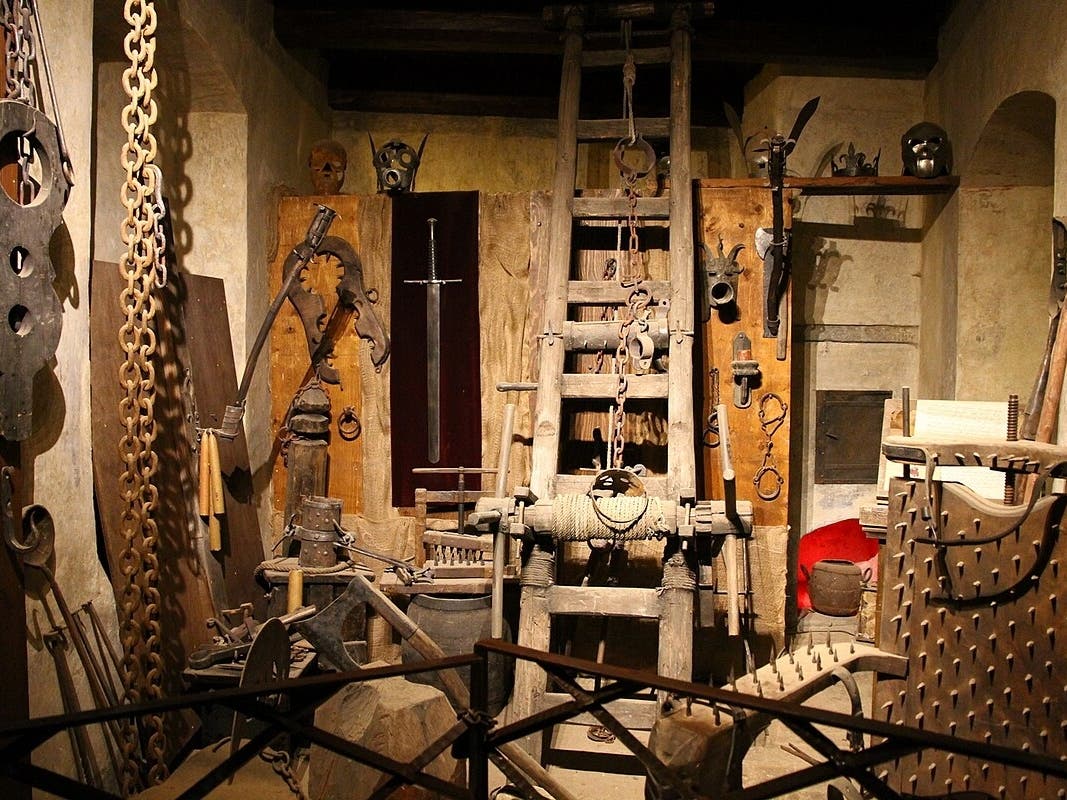
A walk through history isn’t always about grand castles or peaceful villages. Sometimes, it's about darkness, fear, and cruel punishments. At the Medieval Torture Museum, visitors step into a chilling world where pain was law and horror ruled justice.
The Origins of Torture: A Look Back in Time
Long before modern law, punishment wasn’t just about correction. It was about power, fear, and control. In medieval times, torture was used to extract confessions, punish crimes, or silence enemies. Methods were brutal, and tools were designed not just to hurt, but to break the spirit.
Torture devices often reflected the era's beliefs. Pain was thought to cleanse the soul or reveal truth. People believed that the innocent wouldn’t suffer, so if someone screamed, they must be guilty. It was a harsh, backward logic that cost many their lives.
The museum recreates these dark periods with eerie accuracy. Its collection shows real-life tools and scenes, helping visitors understand just how cruel and common torture was in those days. Iron cages, body stretchers, and gruesome masks give a glimpse into the terrifying world of medieval punishment.
What makes the experience chilling isn’t just the tools. It’s the stories behind them—true tales of people who endured these horrors. This historical journey forces visitors to face uncomfortable truths about the past.
Walking into Darkness: First Impressions of the Museum
As you enter the Medieval Torture Museum in Chicago, you feel the air shift. Dim lighting, eerie sound effects, and lifelike scenes pull you into a world from centuries ago. Every room is designed to immerse you in a dark reality.
Find out what's happening in East Brunswickfor free with the latest updates from Patch.
The museum doesn’t rely on imagination. It uses detailed models, sound, and setting to transport you. You don’t just look at the exhibits—you feel them. Some visitors say it’s like stepping into a horror movie set, except it’s all based on real history.
Walls lined with wooden racks, cages, and metal devices leave little to the imagination. Each room focuses on a different theme—justice, punishment, fear, and power. You move from one scene to another, learning how torture varied across regions and classes.
The museum isn't just about looking. It's about understanding how far society has come—and how cruel it once was. This emotional journey is one of the most powerful parts of the experience. You leave the room not just disturbed, but reflective.
Tools of Pain: A Close-Up of Torture Devices
One of the museum’s most eye-opening features is its display of medieval torture devices. From the well-known Iron Maiden to lesser-known tools like the Breast Ripper or Judas Cradle, each piece tells a shocking story.
The Iron Maiden, for example, was a standing metal coffin lined with spikes. Victims were locked inside, pierced slowly as the door shut. The pain was unbearable, and death was slow. Devices like the Rack stretched limbs until bones broke, while thumb screws crushed fingers with shocking precision.
Some tools targeted specific body parts, showing how calculated the pain was. Others were public devices, used in town squares to send a message to others. Every piece served a cruel purpose.
These aren’t just objects. They're evidence of the lengths people once went to enforce control. The museum helps visitors learn about these devices not just through visuals, but with descriptions that explain how and why they were used.
It’s horrifying, but important. These tools show us what happens when fear replaces justice.
Find out what's happening in East Brunswickfor free with the latest updates from Patch.
Real Stories Behind the Horror
One of the most moving parts of the museum experience is learning about the real people behind the stories. Torture wasn’t just a method—it was a personal horror lived by thousands.
The museum includes narratives of victims. These are based on actual historical records. Names, dates, and crimes (real or accused) are listed alongside the tools that harmed them. This human element makes the experience even more disturbing.
For example, many victims were accused of witchcraft. During the infamous witch hunts, torture was often used to force confessions. The accused, often women, were blamed for events like crop failure or illness. The fear of the unknown made torture seem justifiable to society.
Others were political enemies, accused of betrayal or conspiracy. Torture was a tool of the powerful, used to silence the weak. Reading these stories, visitors come face to face with how justice failed the innocent.
These stories are reminders of a past we must never repeat. The museum uses them not just to scare, but to educate.
A Chilling Education: Learning from the Past
Though terrifying, the museum isn’t just for thrills. It’s also deeply educational. It teaches history through emotion, using fear not to entertain, but to inform.
Each exhibit is clearly labeled with dates, historical background, and cultural context. Visitors learn about how torture varied by region and evolved over time. The museum also explains the role of the church, royalty, and legal systems in shaping these methods.
Understanding the past helps people appreciate how far we’ve come. It also warns against the dangers of unchecked power. Torture didn’t disappear overnight. It took centuries of change, and the lessons from that time are still relevant today.
For students, historians, or even casual visitors, this educational angle adds depth. It makes the visit more than just shocking—it makes it meaningful.
The Psychological Impact of the Visit
It’s impossible to leave the museum without feeling something. Some feel disturbed. Others are angry or deeply reflective. That emotional impact is one of the most powerful aspects of the experience.
The lifelike displays and realistic audio can be intense. Screams, dark lighting, and blood-stained props make it easy to forget it's just a museum. For some, it’s overwhelming.
But those emotions serve a purpose. They force visitors to face human cruelty. By stirring these reactions, the museum helps people understand how real and painful history can be.
This psychological layer is why many visitors remember the museum long after leaving. It sticks with you, not just visually but emotionally.
Highlights That Stand Out
Some parts of the museum stay with visitors forever. These standout sections are both terrifying and unforgettable.
- The dungeon scene: Chains on the wall, a flickering torch, and the sound of moaning echo through the room.
- The guillotine display: A full-size replica shows how fast and final medieval justice could be.
- The confession chair: Covered in spikes, this was used during interrogations to make prisoners confess.
- The witch trial room: An entire section dedicated to the hysteria that led to the torture of many innocent women.
Each of these highlights offers a full sensory experience. Visitors don’t just see history—they walk into it.
Where History Comes Alive: Location and Appeal
The museum’s locations add to the appeal. Whether in the heart of Florida or the bustling streets of Illinois, each site brings history to life in a powerful way.
The Medieval Torture Museum in St. Augustine sits in one of America’s oldest cities. Its cobblestone streets and historical charm make it a perfect backdrop for the experience. The old-world vibe adds an extra layer of realism.
The Medieval Torture Museum in Chicago offers a darker, urban twist. Tucked in a busy downtown area, it gives a jarring contrast between modern life and medieval cruelty. That makes the experience even more striking.
Each museum is thoughtfully arranged, offering clear paths, labeled displays, and interactive areas. Staff are trained to guide visitors and answer questions. Whether you’re a tourist or a local, this museum offers an unforgettable stop on your journey.
Not Just for Thrills: Why This Museum Matters
Many assume a torture museum is just for scares. But this one stands apart. It mixes fear with fact, horror with history. That makes it more than entertainment—it becomes a lesson in humanity.
By blending educational value with powerful storytelling, the museum makes sure visitors don’t just observe, but understand. This combination helps bridge the gap between the past and the present.
In a time when history is sometimes forgotten or rewritten, places like this remind us of the truth. And they do it in a way that no textbook ever could. The museum is shocking, yes. But it’s also important.
For those who dare to visit, the reward is more than a thrill. It’s a new understanding of what humans are capable of—and why we must never go back.