Neighbor News
How Houston Homes Are Bringing Natural Materials Into Modern Lighting
Houston homes embrace natural lighting with rattan, bamboo, and woven textures, adding warmth and balance to modern interiors.

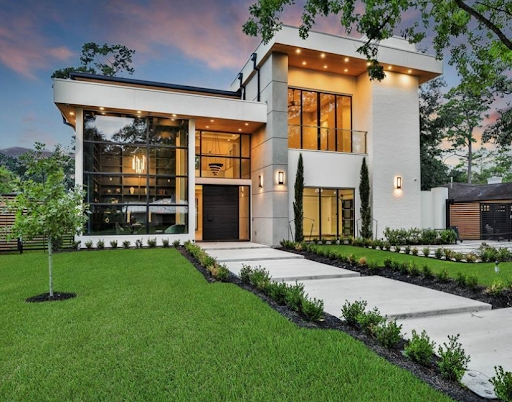
Modern homes in Houston are starting to feel a little warmer.
The clean lines are still there. So are the stone countertops, large windows, painted cabinetry, metal hardware, and open floor plans. But more homeowners are bringing in wood, linen, rattan, bamboo, and other natural materials to soften the room.
Lighting is one of the easiest places to make that change.
Find out what's happening in East Brunswickfor free with the latest updates from Patch.
A woven pendant over a kitchen island can break up a room full of hard surfaces. A textured ceiling light can make a bedroom feel less flat. In a dining room, a larger rattan or bamboo fixture can give the space a focal point without making it feel formal.
The point is not to turn a modern Houston home into a rustic or bohemian one. It is to add enough texture that the room feels comfortable, lived in, and visually balanced. For homeowners who care about where that texture comes from, the story behind Rowabi’s handcrafted lighting gives helpful context on how natural fibers, woven forms, and considered proportions can become part of a more personal home design language.
Find out what's happening in East Brunswickfor free with the latest updates from Patch.
Why Natural Materials Fit Houston Homes So Well
Houston homes often have a strong connection between indoor and outdoor living. Covered patios, backyard entertaining areas, large windows, breakfast spaces, and open kitchens can make one part of the house visually flow into another.
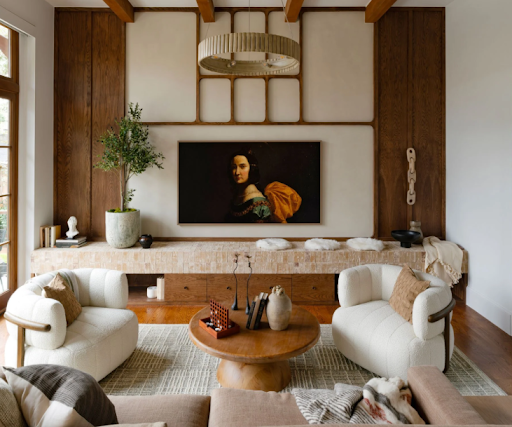
That relationship matters when choosing materials. A room that opens toward a garden or covered patio often feels more natural when some of the colors and textures inside have a connection to what you see outside.
Rattan and bamboo can do this without adding much visual heaviness. Wood brings warmth. Linen softens a room that already has a lot of stone, tile, glass, or metal.
Houston's bright daylight is worth thinking about too. A woven fixture does not look exactly the same from morning to evening. During the day, sunlight can bring out the variation in the fibers and weave. At night, the fixture becomes more about the light passing through or around the shade.
That is useful in Houston kitchens in particular. A kitchen may have quartz counters, stainless appliances, polished hardware, and smooth cabinet fronts. Add another glossy fixture overhead and the room can start to feel a little too finished.
A woven light does something different. You still get a clean silhouette, but the surface has variation. It catches daylight differently. It looks slightly different from one angle to another. That small amount of irregularity can make the room feel more relaxed.
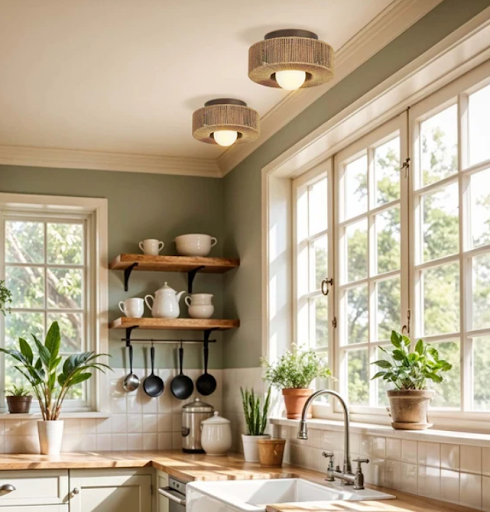
The same idea applies to bedrooms, hallways, laundry rooms, and entryways where ceiling height or square footage is limited. In those spaces, flush mount lighting can bring texture and warmth while staying close to the ceiling, making it a practical choice when a pendant or chandelier would hang too low.
Rattan and Bamboo Do Not Have to Look Bohemian
One reason some homeowners hesitate with woven lighting is that they associate rattan with beach houses, tropical interiors, or heavily bohemian rooms.
It does not have to read that way.
A lot depends on the shape of the fixture and what surrounds it.
A simple drum, dome, bell, or low-profile woven shade can feel very contemporary when it is paired with clean cabinetry, simple furniture, stone, plaster, black accents, or restrained metal finishes.
The material may be natural, but the overall composition can still be modern.
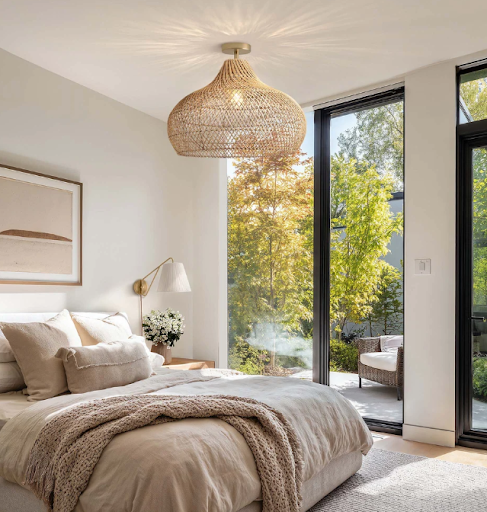
This is often a better way to think about natural-material lighting:
- use simple fixture shapes;
- avoid too many woven elements in the same sightline;
- let one fixture provide most of the texture;
- keep the surrounding palette fairly calm;
- mix woven materials with smooth surfaces rather than adding rustic finishes everywhere.
A single rattan pendant in a clean kitchen usually feels very different from a room filled with rattan furniture, baskets, cane cabinets, and tropical prints.
There is another detail that is easy to miss when shopping online: weave density changes both the visual weight of a fixture and the way it handles light.
An open weave tends to feel lighter because you can see through more of the shade. A tighter basket weave feels more substantial and may produce a softer, more directional glow. So two rattan fixtures with roughly the same diameter can still look and behave quite differently once installed.
In the Kitchen, Natural-Material Lighting Helps Break Up Hard Surfaces
The kitchen is probably the most obvious place to use natural texture.
There is already a lot going on visually: cabinets, appliances, countertops, backsplash, hardware, stools, and sometimes a large range hood.
Lighting can either add another hard surface or create some contrast.
For example, a woven pendant can work well with:
- white or cream cabinetry;
- white oak or walnut;
- green or dark blue cabinets;
- brass or black hardware;
- stone or quartz countertops.
There is no need to make the fixture match every natural material already in the kitchen. In fact, a little variation usually looks better. A pale rattan shade can work over a medium-tone oak island, for example, without being an exact color match.
Scale still matters more than material, though.
A large island can make a small woven pendant look lost just as easily as it can make a small brass fixture look lost. Two larger fixtures may work better than three small ones, depending on the length of the island and how open the room is.
It helps to measure first and choose the material second.
Bedrooms Usually Need a Quieter Version of the Same Idea
Natural texture works in bedrooms too, but the fixture often needs to be lower profile.
A long pendant may look beautiful in a high-ceiling bedroom, but many bedrooms are easier to live with when the main ceiling fixture stays closer to the ceiling.
That is where woven flush mounts become useful.
They can bring rattan, bamboo, or other natural texture overhead without taking up as much vertical space. This can work especially well in bedrooms, hallways, upstairs landings, and smaller transition spaces.
Houston-based Rowabi Lighting, for example, includes this type of design in its flush mount lighting collection, where lower-profile ceiling fixtures can introduce texture without the drop of a full pendant.
The broader lesson is simple: choose the fixture style around the room's clearance first. Natural material alone is not enough to make the light appropriate for the space.
Indoor-Outdoor Living Makes Material Continuity Useful
Houston's warm climate makes patios, outdoor kitchens, covered porches, and backyard entertaining spaces an important part of many residential layouts.
When those areas are visible from the kitchen or living room, the lighting does not need to match from one space to the next. It usually looks better if it does not.
What can carry through is the material language.
A home might use woven dining chairs and warm wood indoors, then repeat similar tones in outdoor furniture, ceiling beams, stone, or accessories. Lighting can support that connection without using the exact same fixture everywhere.
There is an important practical limit here.
An indoor woven fixture should not be moved outside just because rattan looks appropriate beside a patio. Houston's weather can involve plenty of moisture and rain, including conditions that reach areas beneath some covered structures. Any fixture installed outdoors still needs to be suitable for the actual location and exposure conditions.
The visual language can carry from inside to outside even when the fixtures themselves need different construction.
How to Choose Natural Lighting Without Overdoing It
The easiest way to use natural-material lighting well is to look at what the room already has.
If the room is full of wood, linen, stone, cane, and other organic finishes, another woven fixture may be too much. A simple metal or glass light could give the room a useful break.
If the room is mostly smooth and hard, though, a woven fixture can make a noticeable difference without requiring a major redesign.
Before buying, check a few practical things:
- Fixture diameter: will it have enough presence for the room?
- Overall height or drop: will it leave comfortable clearance?
- Ceiling height: is a pendant appropriate, or would a flush or semi-flush fixture work better?
- What sits below it: a dining table gives you more freedom than a walkway.
- Weave density: open and tight weaves handle light differently.
- Bulb visibility: decide whether seeing the bulb through the weave will bother you.
- Existing texture: check how much wood, stone, linen, or woven material is already visible from the same part of the room.
It can also help to make a quick paper or cardboard template of the fixture size. A light that looks large on a product page can feel surprisingly small once it is placed in a real room.
If you are considering a woven shade, look at product photos both illuminated and turned off when possible. The fixture is part of the room all day, and some woven designs change character quite a bit once the bulb comes on.
A Houston Example of the Natural-Material Approach
The combination of contemporary forms and natural texture is also showing up in the work of Houston lighting businesses.
Rowabi Lighting is one local example. The Houston-based lighting brand works with rattan, bamboo, and other woven materials across residential lighting designs. Rather than treating those materials as belonging to one particular decorating style, the fixtures show how natural texture can sit alongside cleaner, more contemporary interiors.
It is the same idea that works in the rooms discussed above. A kitchen full of hard finishes may need something softer. A dining room may need a stronger focal point. A bedroom may benefit from texture overhead without the drop of a large pendant.
Rowabi Lighting is based in Houston, Texas, at 1500 Brittmoore Rd, Suite 303, Houston, TX 77043.
Conclusion
Natural materials are useful in modern lighting because they solve a fairly simple problem. Contemporary rooms can look clean and beautiful but sometimes need a little more texture to feel comfortable.
Rattan, bamboo, wood, linen, and woven fibers can add that layer without changing the overall style of the home.
For Houston homeowners, the best approach is not to follow the material as a trend. Look at the room first. If it already feels warm and layered, keep the lighting simple. If it feels flat or overly hard, a natural-material fixture may be exactly the contrast it needs.
Modern lighting does not have to look cold. Sometimes a little texture is enough.