Neighbor News
How a Septic System Works: A Homeowner’s Complete Guide
Septic systems safely treat household wastewater using tanks, soil, and bacteria, protecting health, groundwater, and the environment.

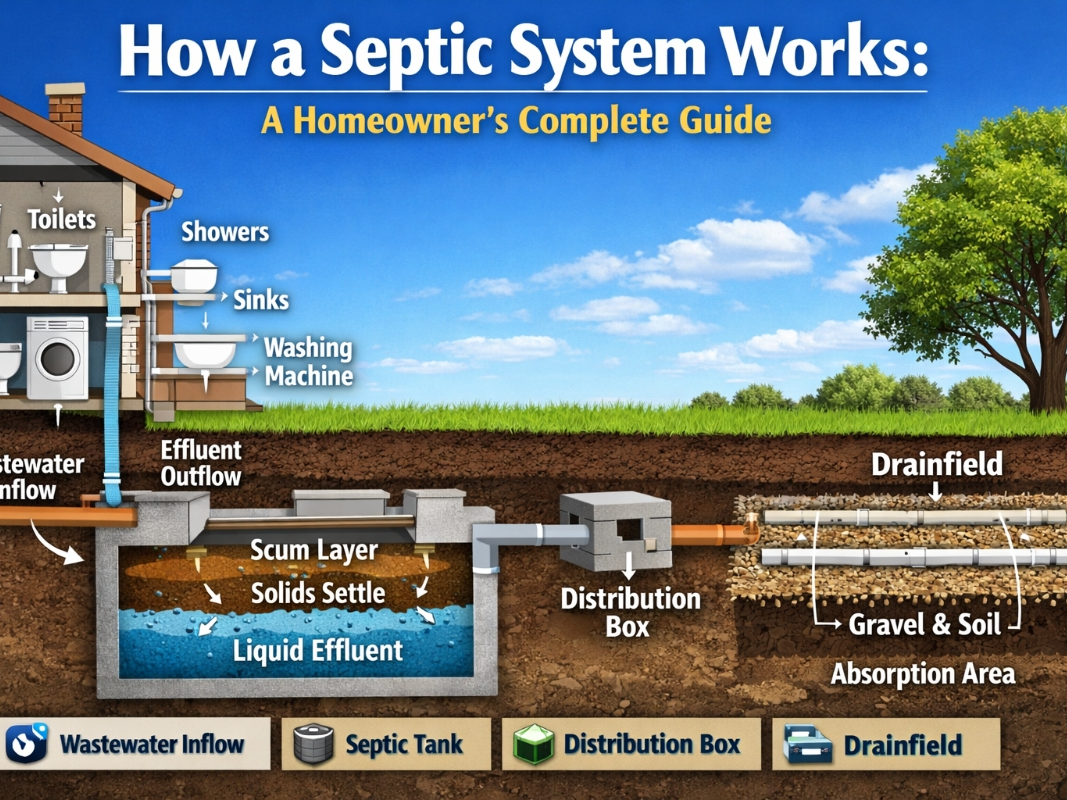
Septic systems are a crucial yet often overlooked aspect of modern homes, particularly those located in rural areas where municipal sewage treatment facilities are not accessible. Essentially, a septic system is responsible for the safe and efficient disposal of wastewater from your home.
It serves as a private sewage treatment plant that utilizes biological processes to break down waste, separate solids from liquids, treat harmful pathogens, and discharge treated effluent safely into the environment.
A septic system primarily consists of two components: a septic tank and a drain field. The septic tank allows waste materials to settle and undergo preliminary decomposition. The drain field disperses treated effluent into the soil for further purification.
Find out what's happening in East Brunswickfor free with the latest updates from Patch.
Although hidden underground, septic systems play a vital role in protecting public health and preserving environmental integrity by preventing contaminants from entering water supplies or damaging ecosystems.
The Importance of Understanding How Septic Systems Operate
Savvy homeowners recognize that maintaining a home extends beyond surface-level upkeep. Understanding critical infrastructure—such as plumbing and wastewater management—is essential.
Find out what's happening in East Brunswickfor free with the latest updates from Patch.
Knowing how your septic system works helps you:
- Ensure optimal performance
- Reduce long-term maintenance and repair costs
- Identify issues early before they become serious
- Make informed decisions when installing or upgrading a system
- Comply with local laws and regulations
This knowledge empowers homeowners to protect both their property and the environment.
The Anatomy of a Septic System
A septic system is an independent wastewater treatment structure commonly found in rural areas lacking centralized sewer systems. It manages wastewater from bathrooms, kitchens, and laundry facilities.
With every flush or drain flow, wastewater enters this system, which works continuously beneath the surface. Understanding its purpose and function helps prevent misuse, neglect, and costly repairs.
The Septic System: A Triad of Efficiency
A typical septic system consists of three main components:
- Septic Tank An impermeable container (usually concrete or plastic) that holds wastewater long enough for solids to settle as sludge and oils to float as scum.
- Drain Field (Leach Field) A network of perforated pipes surrounded by gravel that allows effluent to disperse and filter into the soil.
- Soil Acts as a natural filter, removing bacteria, viruses, and nutrients before water rejoins the groundwater.
A Subterranean Symphony: Tank, Drain Field, and Soil
Septic systems rely on gravity and time rather than mechanical complexity. Wastewater moves from tank to drain field to soil, undergoing progressive treatment at each stage.
Failure in any component can cause system breakdown, making it essential for homeowners to understand and maintain each part properly.
The Science Behind Septic Systems
Biological Processes in Waste Breakdown
Septic tanks operate in an anaerobic (oxygen-free) environment where microorganisms break down organic matter. This process includes:
- Hydrolysis: Complex materials break into simpler compounds
- Acidogenesis: Production of acids, gases, and ammonia
- Methanogenesis: Conversion of acids into methane and carbon dioxide
The Role of Bacteria
Bacteria are the engine of septic systems. Two main types operate:
- Anaerobic bacteria: Break down solids inside the tank
- Facultative and aerobic bacteria: Further treat effluent in the oxygen-rich soil
These bacteria reduce waste volume and neutralize harmful pathogens.
Separation of Solid and Liquid Waste
Inside the septic tank, waste separates into three layers:
- Scum: Oils and grease floating at the top
- Effluent: Clarified liquid in the middle
- Sludge: Heavy solids settled at the bottom
Sludge must be periodically pumped out, as bacteria cannot fully decompose it.
How Does a Septic System Work?
From Flush to Field
Wastewater flows from household fixtures into the septic tank. Solids settle, grease floats, and bacteria begin decomposition. Clarified effluent then exits into the drain field.
Stages of Treatment
Effluent moves through perforated pipes into gravel-filled trenches, where it percolates into the soil. The soil filters out contaminants before the water reaches groundwater sources.
Disposal and Renewal
Treated wastewater replenishes groundwater, completing a natural cycle. However, excessive chemicals, pharmaceuticals, or improper waste disposal can disrupt this process—making responsible use and maintenance essential.
Types of Septic Systems
Conventional System
A standard tank-and-drainfield design that is cost-effective and reliable but requires suitable soil and low groundwater levels.
Chamber System
Uses plastic chambers instead of gravel, offering durability and reduced environmental disruption, though at a higher cost.
Drip Distribution System
Ideal for shallow or sensitive environments, this system disperses small amounts of effluent using pumps. It requires frequent maintenance.
Maintenance: Ensuring Longevity
Why Maintenance Matters
Regular maintenance prevents system failure, protects the environment, and avoids costly repairs.
Routine Tasks
- Pumping every 3–5 years
- Professional inspections
- Conserving water
- Avoiding non-biodegradable waste
Warning Signs
- Slow drains
- Sewage backups
- Foul odors
- Wet spots near the drain field
Early detection can prevent serious damage.
Troubleshooting Septic System Issues
Common Problems
- Blockages from grease or foreign objects
- Leaks caused by structural damage
When to Call Professionals
Minor clogs may be manageable, but tank blockages or leaks require professional expertise due to health risks.
Environmental Impact of Septic Systems
Benefits and Risks
Properly maintained systems return clean water to aquifers. Neglected systems can contaminate water sources and harm ecosystems.
Laws and Regulations
Permits and Inspections
Most areas require permits for installation and may mandate routine inspections to ensure compliance with health and environmental standards.
Final Thoughts
A well-maintained septic system offers an efficient, eco-friendly wastewater solution for homes without municipal sewer access. By understanding system types, practicing regular maintenance, and identifying problems early, homeowners can ensure long-term performance while protecting both their investment and the environment.