Neighbor News
Intelligent Transportation Systems: How ITS Improves Safety, Congestion, and Travel Time
Smart transportation systems use real-time data and technology to reduce traffic, improve safety, save time, and make cities move efficientl

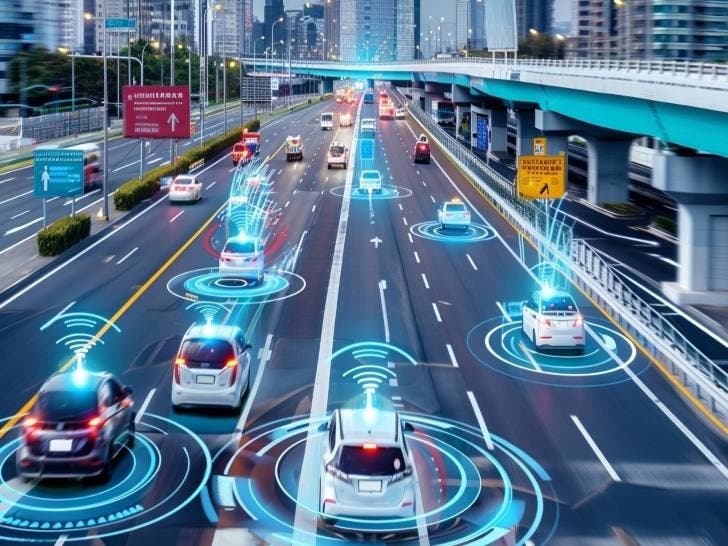
Modern cities are growing faster than ever, and with that growth comes a familiar problem: traffic. Congested roads, unpredictable travel times, and rising accident rates affect commuters, businesses, and entire urban economies. To tackle these challenges, many cities are turning to Intelligent Transportation Systems (ITS)—a powerful combination of technology, data, and smart planning that is transforming how transportation networks operate.
Rather than relying solely on traditional road expansion, ITS focuses on using existing infrastructure more efficiently. By integrating sensors, communication networks, and real-time analytics, ITS helps transportation systems become safer, smoother, and more reliable for everyone on the road.
What Are Intelligent Transportation Systems?
Intelligent Transportation Systems refer to advanced applications that collect, analyze, and share transportation data to improve mobility and safety. These systems use tools such as traffic cameras, GPS data, connected vehicles, artificial intelligence, and centralized control centers to monitor and manage traffic conditions in real time.
Find out what's happening in East Brunswickfor free with the latest updates from Patch.
ITS doesn’t replace roads or vehicles—it enhances how they interact. From adaptive traffic signals to real-time traveler information apps, ITS creates a responsive transportation environment that adjusts to changing conditions instead of reacting too late.
Improving Road Safety Through Smart Technology
Safety is one of the most significant benefits of ITS. Traditional traffic management often relies on static signs and fixed signal timings, which don’t account for sudden changes like accidents, weather, or unexpected congestion. ITS changes that.
Find out what's happening in East Brunswickfor free with the latest updates from Patch.
For example, real-time incident detection systems can identify crashes or stalled vehicles within seconds using cameras, radar, or connected vehicle data. This allows emergency responders to reach the scene faster and traffic managers to reroute vehicles, reducing the risk of secondary accidents.
Advanced warning systems also play a critical role. Variable message signs can alert drivers about hazards ahead, reduced speeds, or lane closures. Some ITS applications even communicate directly with vehicles, warning drivers of sudden braking ahead or dangerous intersections.
For pedestrians and cyclists, smart crosswalks and signal prioritization improve safety at busy intersections. These features are especially valuable in urban areas where mixed traffic is common and vulnerable road users face higher risks.
Reducing Congestion Without Widening Roads
Traffic congestion isn’t just frustrating—it wastes time, fuel, and money. ITS addresses congestion by improving how traffic flows rather than simply adding more lanes.
Adaptive traffic signal control is one of the most effective tools. Instead of following fixed schedules, these signals adjust green and red times based on real-time traffic demand. If one direction becomes heavily congested, the system automatically allocates more green time, easing bottlenecks before they escalate.
Ramp metering systems help manage traffic entering highways by controlling the rate at which vehicles merge. This prevents sudden slowdowns and improves overall freeway efficiency. Similarly, dynamic lane management can open or close lanes or change their direction based on traffic volume and time of day.
Public transportation also benefits from ITS. Bus signal priority, real-time arrival updates, and fleet management systems make transit more reliable and attractive, encouraging drivers to leave their cars at home—further reducing congestion.
Shorter and More Predictable Travel Times
Uncertainty is one of the biggest pain points for travelers. Even when distances are short, unpredictable delays can disrupt schedules and productivity. ITS helps make travel times more consistent and often shorter.
Real-time traffic data allows navigation apps and traffic management centers to suggest optimal routes based on current conditions. Drivers can avoid accidents, construction zones, or peak congestion with accurate, up-to-date information.
For freight and logistics, ITS is a game changer. Predictable travel times mean better delivery scheduling, lower fuel costs, and improved supply chain reliability. Businesses benefit directly from reduced delays and improved operational efficiency.
In regions with complex transportation networks, such as large metropolitan areas, coordinated ITS strategies designed by professionals like transportation engineers Atlanta rely on can significantly enhance network performance without massive infrastructure investments.
Environmental and Economic Benefits
The benefits of ITS extend beyond safety and convenience. Reduced congestion leads to lower fuel consumption and fewer emissions, contributing to cleaner air and more sustainable cities. Vehicles that spend less time idling or stuck in traffic produce fewer greenhouse gases and pollutants.
Economically, ITS offers a strong return on investment. By maximizing the efficiency of existing roads, cities can delay or avoid costly expansions. Improved travel reliability also supports economic growth by making regions more attractive for businesses, tourism, and skilled workers.
The Future of ITS: Connected and Autonomous Mobility
As technology continues to evolve, ITS will become even more powerful. Connected vehicles that communicate with each other and with infrastructure are already being tested and deployed. These systems can coordinate speeds, prevent collisions, and optimize traffic flow on a network-wide level.
Artificial intelligence and machine learning will further enhance prediction capabilities, allowing transportation systems to anticipate congestion or incidents before they occur. When combined with smart city initiatives, ITS will play a central role in shaping safer, more efficient, and more livable urban environments.
Conclusion
Intelligent Transportation Systems represent a smarter approach to mobility—one that prioritizes safety, efficiency, and sustainability. By leveraging real-time data and advanced technology, ITS reduces accidents, eases congestion, and delivers more reliable travel times for everyone.
As cities continue to grow and transportation demands increase, ITS will remain a critical tool for building resilient and future-ready transportation networks. Rather than fighting traffic with more concrete, ITS shows that intelligence, planning, and innovation can move people and goods more effectively than ever before.