Neighbor News
From Jobsite to Street Style: How Workwear Became Fashion
How workwear evolved from rugged jobsite clothing into a timeless fashion statement shaped by durability, authenticity, and everyday style.

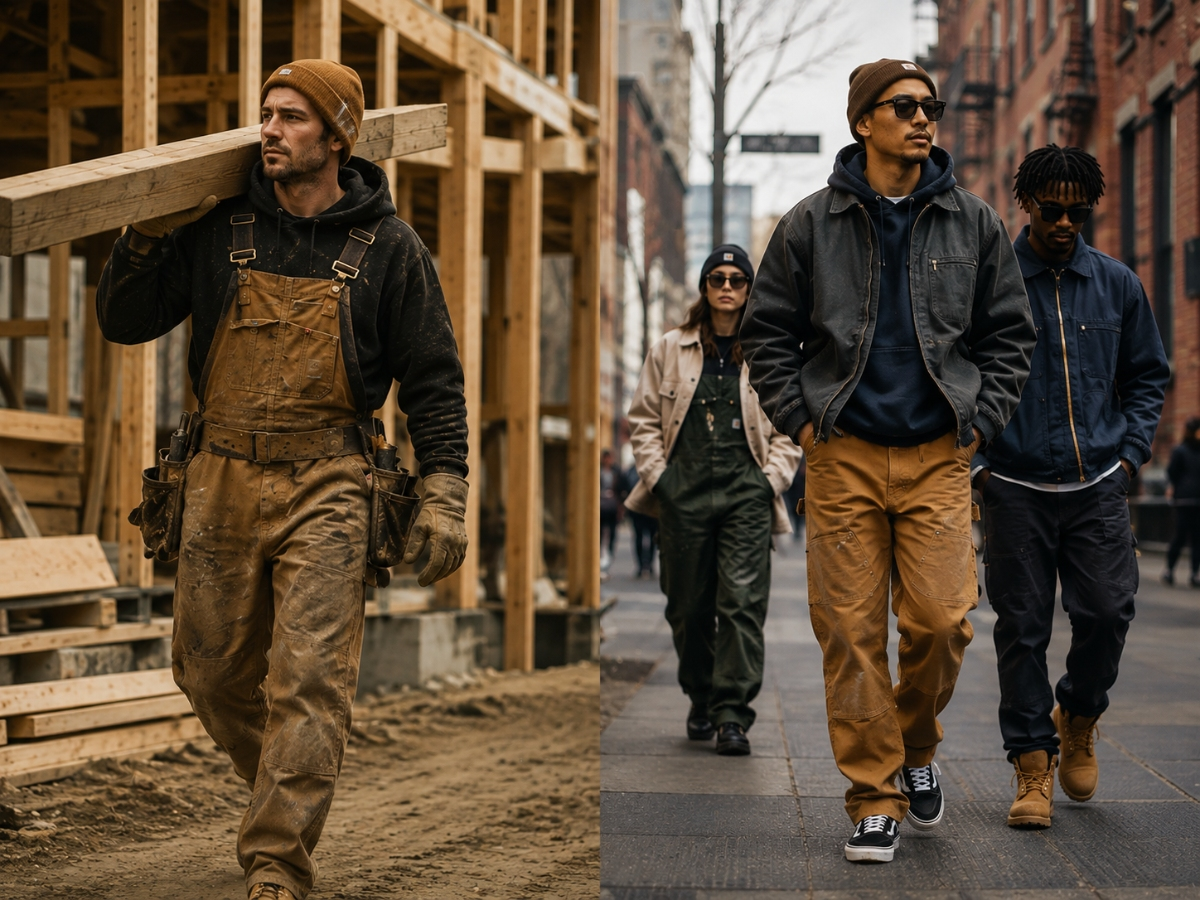
Workwear was never designed to make a fashion statement. It was created for people who needed clothing that could survive long shifts, rough conditions, and demanding physical work. Heavy fabrics, reinforced stitching, practical pockets, durable boots, and functional jackets all had one purpose: to get the job done.
Somewhere along the way, however, these hardworking clothes moved beyond construction sites, workshops, farms, and warehouses. They found their way into city streets, music scenes, designer collections, and everyday wardrobes. Today, workwear is one of the most recognizable influences in modern fashion.
So how did clothing built for labor become a symbol of personal style?
Find out what's happening in East Brunswickfor free with the latest updates from Patch.
Function Came First
Traditional workwear was shaped by practicality. Workers needed garments that could handle repeated movement, dirt, weather, and contact with tools or equipment. Denim, canvas, duck cloth, wool, and heavyweight cotton became popular because they offered durability without requiring complicated care.
Details that might seem fashionable today originally had a very practical purpose. Multiple pockets provided space for tools. Metal buttons and rivets strengthened areas exposed to stress. Loose cuts allowed freedom of movement, while sturdy fabrics offered protection from abrasion.
Find out what's happening in East Brunswickfor free with the latest updates from Patch.
Brands such as Carhartt Clothing became closely associated with this approach, building reputations around durable garments that were made for demanding working environments.
The important thing is that these clothes earned their reputation before they ever became fashionable. Their appeal came from genuine usefulness.
The Influence of American Subcultures
The transformation from workwear to streetwear did not happen overnight. Different subcultures gradually adopted work clothing because it fit their lifestyles and expressed something about their identity.
In the 1980s and 1990s, skateboarding communities embraced durable pants, jackets, and loose-fitting shirts because they could withstand falls and constant movement. Hip-hop culture also helped popularize oversized silhouettes, heavy jackets, work boots, and utility-inspired clothing.
At the same time, vintage enthusiasts began appreciating older work garments for their character. Faded denim, worn canvas, repaired seams, and naturally distressed fabrics told a story. Unlike artificially aged fashion, these imperfections were earned through use.
That sense of authenticity became increasingly valuable.
Why People Like Workwear Today
Modern consumers are drawn to workwear for many of the same reasons workers were decades ago: it is practical, comfortable, and durable. But there is another factor—workwear has personality.
A brand-new pair of jeans can look good, but a pair that gradually develops creases, fading, and wear can become uniquely personal. A canvas jacket may soften with time and take on marks that reflect the places its owner has been.
This makes workwear different from fashion that depends entirely on seasonal trends. A good workwear piece can remain relevant for years.
The style also fits naturally with the growing interest in buying fewer, better-made products. When people invest in clothing that can withstand regular use, they are less dependent on constantly replacing their wardrobe.
From Utility to Design Inspiration
Fashion designers eventually recognized the visual potential of workwear. Utility pockets, chore coats, cargo trousers, overalls, and rugged boots began appearing in collections far removed from traditional workplaces.
Designers did not simply copy old uniforms. They reinterpreted them.
A classic chore jacket might be cut in a more refined silhouette. Cargo pants could be produced in premium fabrics. Traditional work boots might be paired with tailored trousers. The original function remained visible, but the context changed.
This blending of utility and style helped workwear become accessible to people who had never spent a day working on a jobsite.
Social Media Changed the Game
The internet accelerated the movement. Social media gave people an easy way to discover vintage garments, heritage brands, styling ideas, and niche fashion communities.
A mechanic-inspired jacket could suddenly appear alongside designer sneakers. Vintage carpenter pants could be paired with a minimalist sweater. A rugged shirt could become part of a carefully planned outfit.
This mix-and-match culture removed many of the old boundaries between work clothing and fashion clothing.
Instead of asking whether something was technically designed for work, people began asking whether it looked good, felt comfortable, and reflected their personality.
Workwear Is About More Than Appearance
The lasting popularity of workwear says something important about modern fashion. People increasingly want clothing with a reason behind its design.
Workwear represents durability, independence, craftsmanship, and authenticity. Even when worn purely for style, its history remains part of the appeal.
That may be why the trend has survived so many fashion cycles. Workwear does not need to reinvent itself every season. Its strongest qualities—function, durability, comfort, and character—are largely timeless.
From dusty jobsites to busy city streets, workwear has traveled an unlikely path. What began as clothing built to protect workers has become a way for people everywhere to express themselves.
And perhaps that is the secret behind its success: the best workwear never tried to become fashionable. It simply did its job exceptionally well—and fashion eventually noticed.