Neighbor News
Manufacturing & Labs: Durable, Cleanable Wall Art Options
Durable, cleanable wall art for labs and plants—wipe-friendly, glare-safe, sturdy formats placed smartly for busy workspaces.

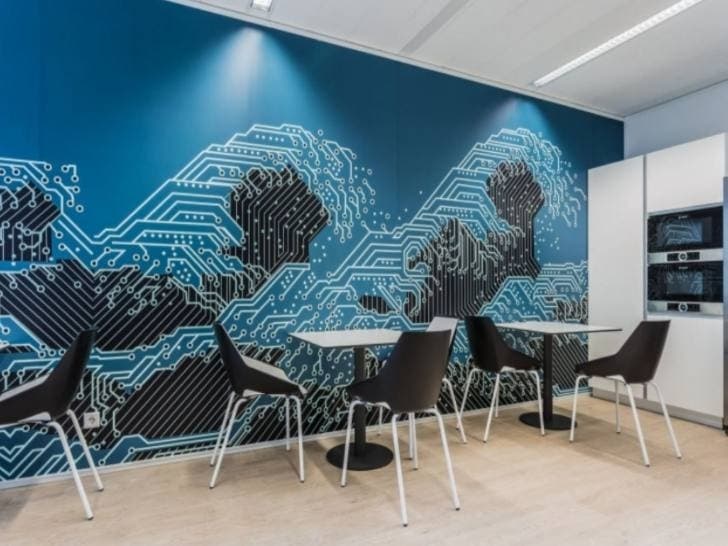
Manufacturing sites and lab-adjacent offices work hard: people move fast, doors swing open all day, and surfaces get wiped more often than in a typical workplace. Wall décor can still play a real role in these environments—if you choose the right materials, place them in the right zones, and plan for routine wipe-downs.
This guide focuses on wall art that stands up to daily activity in plant offices, lab corridors, meeting rooms, training areas, and staff spaces. You’ll learn what “durable” and “cleanable” should mean in a worksite, which formats make sense for different zones, and how to keep prints looking sharp with straightforward care.
What “Durable + Cleanable” Should Mean in a Worksite
1) A wipe-friendly surface
In manufacturing and lab settings, “cleanable” starts with the surface finish. Smooth, sealed fronts are easier to wipe than textured materials that can trap dust. If your space uses frequent wipe-downs, look for prints designed for gentle cleaning with a soft cloth, and avoid rough surfaces in high-touch areas like corridors and near doorways.
Find out what's happening in East Brunswickfor free with the latest updates from Patch.
2) A build that stays stable
Durability is about more than the picture. Think corners, edges, and mounting stability. A strong frame (or sturdy stretcher bars on a canvas print) helps keep the piece flat on the wall and reduces the chance of shifting if the wall vibrates from foot traffic or equipment.
3) Readability under bright lighting
Many plants and lab offices use bright overhead fixtures. Glossy fronts can reflect light and hide details at certain angles, while matte finishes often reduce glare. When choosing wall art for training rooms or conference areas, test viewing angles and keep reflections in mind.
Find out what's happening in East Brunswickfor free with the latest updates from Patch.
Material Options for Durable, Cleanable Wall Art
The best option depends on where the art will hang. Low-touch office walls can support more formats, while high-traffic corridors benefit from tougher surfaces and protected fronts.
- Sealed canvas prints A popular choice for office zones and staff rooms. Great as large wall art above seating or behind desks, with a clean look that fits many interiors.
- Framed prints with a protected front A framed print behind glass or acrylic can be easier to wipe in busier areas, since the front acts as a barrier.
- Metal or acrylic-style prints Often chosen for corridors and entrances where bumps and frequent cleaning are more likely.
- Paper prints with protection A picture print can work if it’s properly protected and placed away from high-touch routes.
If your goal is a clean, professional look for administrative offices and conference rooms, start with office wall art that uses clear, easy-to-read imagery and tones that won’t fight with overhead lighting.
Picking Images That Fit Manufacturing and Lab-Adjacent Spaces
Calm visuals for staff areas
Break rooms and lounges benefit from images that help people reset between tasks. Natural scenes, soft gradients, and simple compositions tend to work well when you want the room to feel less “on shift.” In spaces like lounges and offices, a nature canvas print can bring visual relief without turning the room into a theme wall.
Clean graphics for training and meeting rooms
Meeting rooms often look best with structured, minimal designs: geometric patterns, skyline silhouettes, or concept-driven visuals. These formats support a focused mood and look professional in conference settings. For this style, consider business wall art prints that suit presentations, onboarding sessions, and internal events.
Color planning that supports the space
When a workplace has strong brand colors, it’s tempting to match them everywhere. A better approach is to echo brand tones in a controlled way—small accents, subtle hues, or balanced neutrals—so the room stays comfortable during long shifts.
Where to Place Wall Art (Room-Based Ideas)
Placement is often the difference between art that lasts and art that gets scuffed. Prioritize low-touch zones, keep pieces out of pinch points, and avoid areas where carts regularly pass close to the wall.
- Office: Behind desks, above credenzas, or on the wall facing the entry so the room feels organized on arrival
- Hallway: Long runs of wall space benefit from one large piece or a measured sequence of prints with even spacing
- Entryway: One strong focal piece that welcomes staff and visitors without blocking signage
- Kitchen & dining areas: Warm, friendly imagery—kept away from steam and splash zones
- Hospital or clinical-adjacent spaces: Calm, simple visuals with easy-to-wipe frames
- Gym: Sturdy formats, hung away from equipment swing zones
Sizing and Layout for Wide Walls and Long Corridors
One large piece vs. a set
For wide training-room walls, one large print or canvas reads well from across the room. In corridors, repeated layouts often look more orderly, especially where doors and safety boards already break up the space.
Spacing rules for a clean look
Keep consistent gaps between pieces, align edges to a shared top or center line, and avoid placing art where it competes with compliance notices. In industrial environments, clarity beats clutter.
Cleaning Guidance for Day-to-Day Wipe-Downs
Always follow the care guidance for your specific print and finish. As a general rule, gentle cleaning is safer than aggressive scrubbing.
Use
- Soft, dry microfiber cloths for dust
- Lightly damp cloths for smudges
- Mild soap diluted in water when needed
Avoid
- Abrasive pads, powders, and rough paper towels
- Soaking edges or corners
- Heavy pressure during cleaning
Handle & dry
- Clean carefully near frames and edges
- Wipe dry after damp cleaning so moisture doesn’t sit on the surface
Install Notes for Safety and Site Standards
Choose hardware that matches the wall type
Concrete, drywall, and panel systems require different anchors. Use hardware rated for the artwork’s weight, and avoid light-duty hangers for large formats.
Keep traffic paths clear
In busy corridors, place art where carts and equipment won’t clip corners. If corners are a concern, consider framed options with stronger edge protection and slightly higher placement than in residential spaces.
Coordinate with signage
Safety boards and wayfinding matter. Leave clear space around posted notices so walls remain readable and compliant.
Final Checklist Before You Order
- Measure the wall and note where people walk closest
- Check lighting angles for glare
- Choose a format that suits wipe-down routines
- Confirm image file quality so canvas art or giclée prints stay sharp
- Match artwork style to the room’s function
Focused visuals for meeting rooms, calm scenes for staff areas, and structured designs for corridors will give the best long-term results.
FAQs: Durable, Cleanable Wall Art for Manufacturing & Labs
1) What type of wall art is easiest to wipe?
Pieces with a protected front, such as framed prints behind acrylic, are often easiest to clean.
2) Are canvas prints okay for workplace wipe-downs?
Yes, especially in office zones, when cleaned gently with soft clothes.
3) Where should wall art be avoided in a plant?
Avoid pinch points, tight corridors with heavy cart traffic, and areas with constant steam or splash exposure.
4) What finish helps with glare under bright overhead lights?
Matte or low-gloss finishes typically reduce reflections.
5) Can I hang wall art near a lab sink or break-room counter?
Yes—just keep it out of direct splash zones and consider protected-front frames.
6) What size works best for long hallways?
Either one large focal piece or a consistent sequence of same-size prints with even spacing.
7) How high should wall art be in a manufacturing office?
Slightly higher than residential placement to reduce accidental contact, especially in corridors.
8) Should artwork match brand colors?
Use brand colors as accents rather than dominating the entire wall.
9) What images work well in training rooms?
Structured graphics, clean patterns, and concept-driven visuals.
10) What images work best in staff lounges?
Calm scenes and simple compositions that support short mental resets.
11) How do I keep corners from getting scuffed?
Avoid tight turns, use sturdy mounting, and choose framed options in high-traffic zones.
12) Is glass or acrylic better for workplace frames?
Acrylic is lighter and impact-resistant; glass is more scratch-resistant. Choose based on traffic risk.
13) Can I use multiple themes in one facility?
Yes—keep themes consistent within zones and unify them with matching sizes and frames.
14) What if my walls are textured or uneven?
Use appropriate anchors and consider framed pieces that sit firmly against the wall.
15) How do I choose art that won’t feel outdated?
Stick to balanced colors, clean designs, and imagery that supports the room’s purpose.