Neighbor News
A New Approach to Community Fundraising: Turning Donations Into College Tuition Savings
New Jersey fundraising groups can boost donor engagement by connecting community support with potential college tuition savings for families

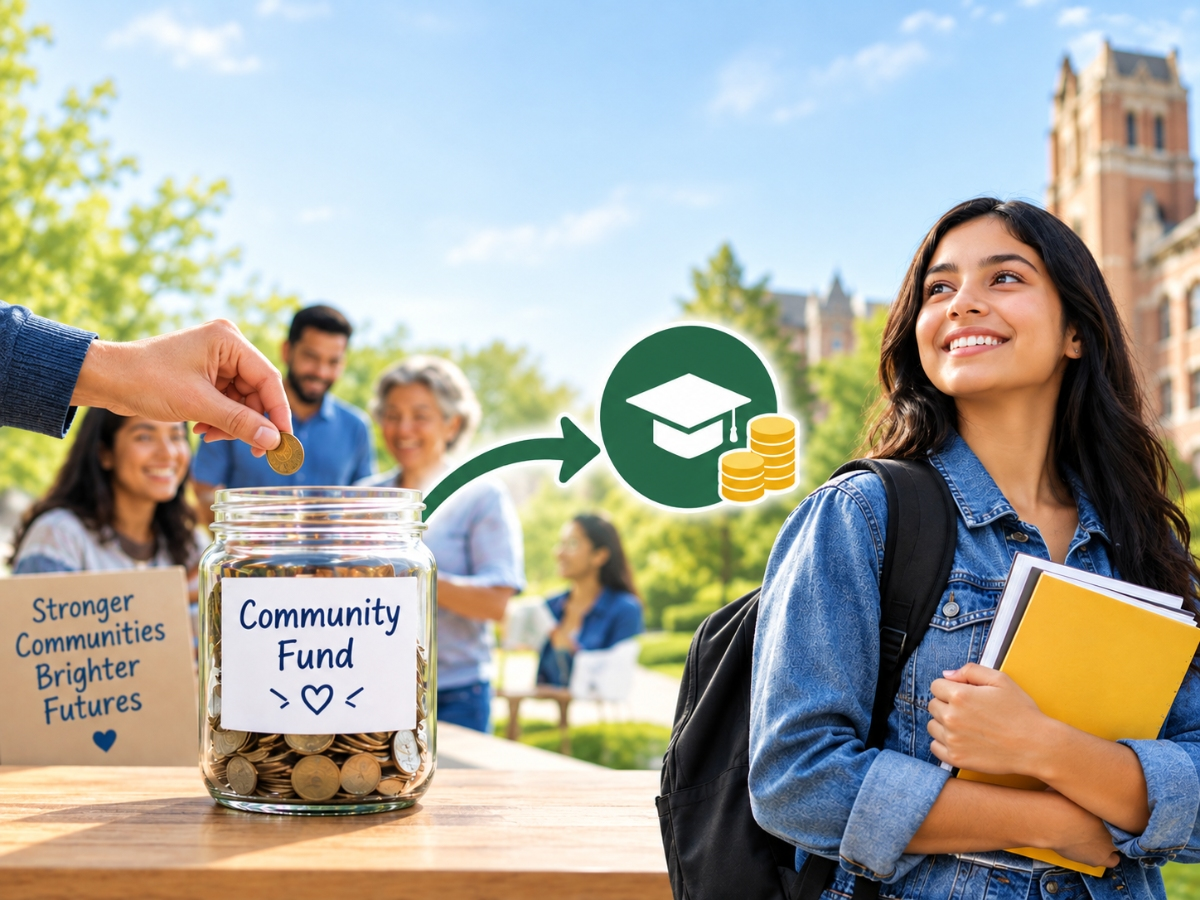
Across New Jersey, schools, nonprofits, youth organizations, and community groups depend on fundraising to support programs that make a difference for local families.
From education foundations and youth programs to community organizations and charitable causes, fundraising often brings together parents, businesses, volunteers, and residents around a shared goal.
But organizations face an ongoing challenge: How do you attract new donors when families are already being asked to support so many different causes?
Find out what's happening in East Brunswickfor free with the latest updates from Patch.
One approach is to give supporters something meaningful in return for participating—without taking the focus away from the organization they are supporting.
College tuition savings may provide an interesting new way to do exactly that.
Find out what's happening in East Brunswickfor free with the latest updates from Patch.
Giving Families Another Reason to Participate
Traditional community fundraising takes many forms.
Families purchase products, attend fundraising dinners, participate in walks and tournaments, buy raffle tickets, contribute through crowdfunding campaigns, and make direct donations.
These methods can work well, but organizations are continually looking for new fundraising ideas that can attract attention and reach people beyond their existing donor base.
An education-focused donor benefit introduces a different approach.
Instead of receiving merchandise or another short-term incentive, participating supporters can receive something connected to a major long-term family expense: college tuition.
Tuition Donation was created around this idea, combining fundraising with access to college tuition savings.
Eligible participants can receive 8,000+ tuition points, with each point representing $1 in potential tuition savings at participating colleges and universities, subject to applicable program and participating-school terms.
For parents, grandparents, and other family members who may eventually help pay for college, that can make the fundraising experience more personally relevant.
Connecting Community Fundraising With Education
The idea is straightforward.
Someone supports an organization they care about. The organization benefits from the fundraising activity. The supporter can also receive access to a college savings benefit.
This creates a connection between supporting a community today and potentially helping a family's educational goals tomorrow.
That's particularly relevant in communities where schools, youth organizations, local nonprofits, and families already work closely together.
Community-driven fundraising succeeds because of participation. Adding an education-focused benefit gives organizations another potential way to encourage that participation.
A Different Kind of Donor Incentive
Fundraising incentives aren't new.
Organizations have long used merchandise, prizes, event tickets, and other rewards to encourage participation.
The difference with college tuition savings for donors is the potential longevity of the benefit.
A T-shirt or promotional product may be useful for a while. College planning, however, can remain important to a family for years.
Organizations exploring college tuition savings for donors can therefore provide a benefit tied to something many families are already thinking about.
That can be especially appealing when reaching parents and grandparents.
It also gives organizations a fundraising message that is different from the traditional request to simply donate.
The conversation can become:
Support an organization you care about while gaining access to a benefit designed to help your family save toward future college tuition.
Helping Organizations Reach New Supporters
One of the biggest challenges facing nonprofits isn't necessarily convincing existing donors to care about their mission.
It's reaching the people who haven't discovered the organization yet.
That makes donor acquisition an important part of long-term fundraising.
A compelling donor benefit can provide another reason for someone to engage with a campaign for the first time.
Organizations can incorporate the concept into email campaigns, social media, fundraising events, community partnerships, online advertising, crowdfunding, and other outreach.
A local organization could also partner with businesses, parent groups, community associations, or other organizations to introduce the campaign to a larger audience.
Once a new supporter has been introduced to the organization, the nonprofit has an opportunity to build that relationship through communication about its mission and impact.
Fundraising Should Still Be About the Mission
Adding a donor benefit doesn't mean the incentive should become more important than the cause.
Strong fundraising begins with a mission people believe in.
The purpose of a donor benefit is to help organizations open the door to more conversations and more potential supporters.
Once someone participates, the organization has an opportunity to show that donor what their contribution is helping accomplish.
That relationship can ultimately be much more valuable than the initial donation.
Bringing Education Into the Fundraising Conversation
Education is something that crosses generations.
Parents think about it. Grandparents think about it. Students think about it. Employers, community organizations, and nonprofits invest in it.
That makes tuition savings an interesting addition to the fundraising landscape.
A nonprofit fundraising program built around education can provide organizations with another tool for attracting supporters while giving participating families access to a potentially meaningful benefit.
The concept doesn't require replacing traditional fundraising.
Instead, it can become another option alongside events, crowdfunding, recurring donations, sponsorships, peer-to-peer fundraising, and community campaigns.
Creating More Value From Every Community Connection
The strongest community fundraising programs often accomplish more than simply raising money.
They bring people together.
They introduce residents to organizations doing important work.
They create relationships between nonprofits, families, schools, businesses, and community leaders.
And they give people an opportunity to participate in something larger than themselves.
Adding college tuition savings to that equation creates an interesting possibility: a fundraising model where supporting an organization today can also provide a benefit connected to a family's educational future.
For New Jersey organizations searching for new ways to increase donor engagement and reach more families, that combination may be worth exploring.