Neighbor News
A Practical Guide to Growing a Small E-Commerce Business
Grow your small e-commerce business with better customer service, smart marketing, clear processes, and sustainable strategies.

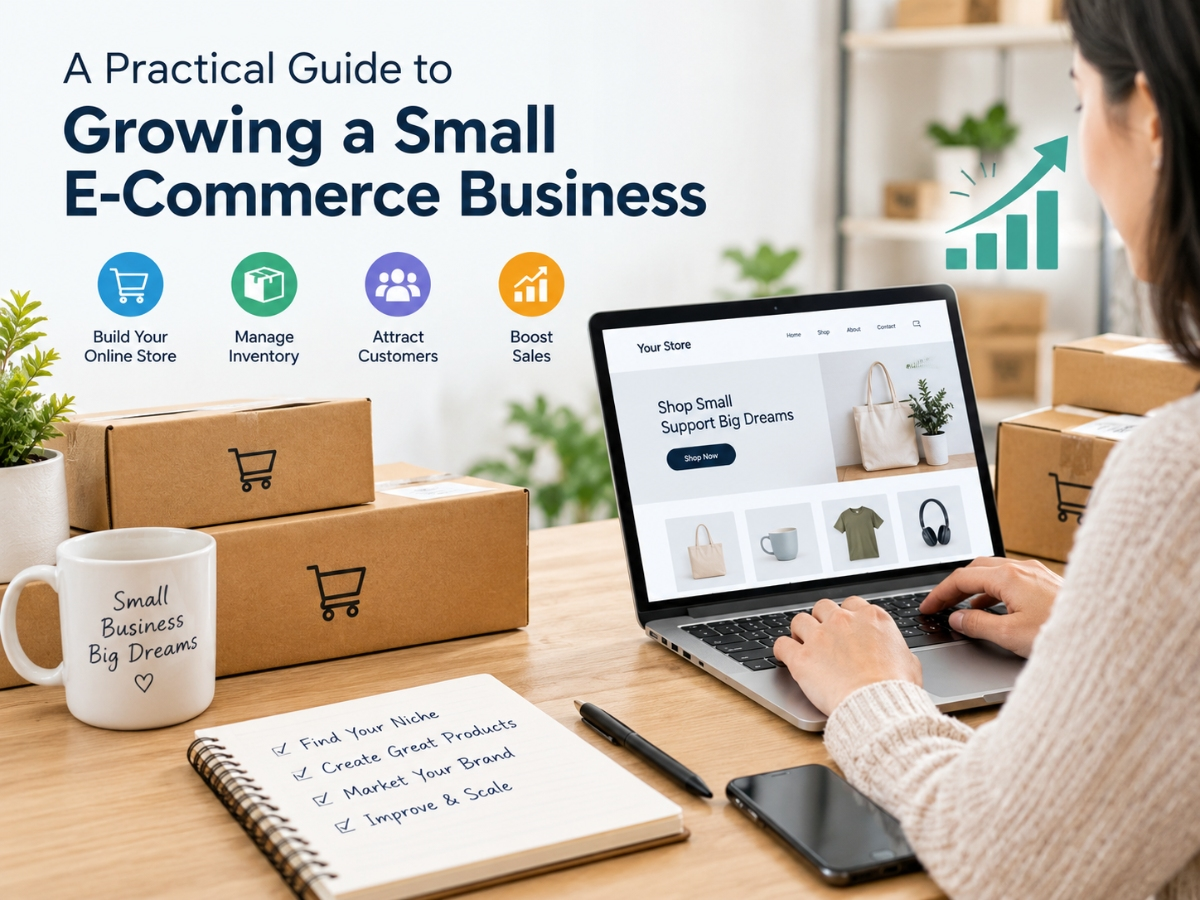
Starting an online store can be straightforward; building one that earns repeat customers takes more planning. Product quality matters, but so do the details shoppers notice along the way: clear descriptions, dependable shipping information, easy checkout and helpful service. For a small business, steady progress often comes from improving these basics before investing in a complicated marketing plan.
Make the Store Easy to Shop
A visitor should be able to understand what you sell and how to buy it without hunting for information. Organize products into sensible categories, use consistent photos and make prices and delivery terms visible. On product pages, describe size, materials, compatibility or other details that could affect a purchase. Specific information can help customers decide and reduce avoidable questions.
Test the store on a phone as well as a computer. Check that buttons are easy to tap, pages load properly and checkout does not require unnecessary steps. Ask someone who has not seen the site before to find a product and complete a test order. Their questions can reveal confusing wording or navigation you may have stopped noticing.
Find out what's happening in East Brunswickfor free with the latest updates from Patch.
Build Trust Before the First Sale
People are more comfortable buying when the business feels transparent. Include a clear contact method, realistic shipping estimates, return terms and answers to common questions. Make sure policies match what the business can actually deliver; a promise that sounds generous but is hard to honor can create more problems than it solves.
Use accurate product images and avoid claims that cannot be supported. If an item has limitations, explain them plainly. After orders arrive, invite customers to share honest feedback and respond constructively when something goes wrong. A prompt, useful reply can help resolve an issue and show future shoppers that the business takes service seriously.
Find out what's happening in East Brunswickfor free with the latest updates from Patch.
Choose Marketing That Fits the Business
There is no need to try every marketing channel at once. Start with the places your likely customers already use and choose a manageable goal, such as getting more people to a product page or encouraging past buyers to return. Helpful articles, email updates, social posts and partnerships can all play a role, but each takes time to plan and maintain.
Content works best when it answers a real customer question. A shop selling gardening supplies might explain how to choose a container for a small balcony; a retailer of kitchen tools could offer care instructions. Useful information can introduce a business to potential buyers without making every interaction a sales pitch.
If publishing articles on other sites is part of the plan, assess each opportunity carefully. An audience that matches your products is more useful than a large but unrelated readership. Review the site’s subject matter, its recent articles and the expectations for contributors before committing time or budget. A directory of e-commerce publishing sites can help sellers compare possible outlets by topic and audience; the fit of each individual site still deserves a closer look.
Bring in Outside Help Where It Counts
As a store grows, an owner may need support with product photography, design, writing, programming or marketing. Before hiring, define the task and what a finished result should include. For example, “improve the product pages” is broad; a more useful brief might specify how many pages need revised descriptions, the required tone and the information each description must cover.
Compare portfolios and ask about relevant experience. Agree on deadlines, revision expectations and ownership of the completed work before a project begins. For one-off tasks, a freelance marketplace such as Osdire can be a place to look across services including design, writing and technology. Whatever route you use, a clear scope and a review of the delivered work help both sides understand when a project is complete.
Pay Attention to the Numbers
Sales alone do not show whether a store is healthy. Keep track of expenses such as product costs, shipping, payment processing and advertising. Look at which products sell, how often customers return and where visitors leave the buying process. These measures can point to practical changes, such as clarifying shipping costs earlier or improving information on a popular item.
Use a simple budget and avoid spending heavily on a tactic before you know whether it is helping. Small tests are easier to evaluate: try one email offer, a modest advertising campaign or a limited batch of new content, then compare the results with the time and money involved.
Grow at a Sustainable Pace
Online retail can make it tempting to expand quickly, but each new product, channel or promise adds work. Build a reliable routine for fulfilling orders, answering customers and reviewing performance before adding more complexity. Keep notes on what shoppers ask and where mistakes happen; those patterns often suggest the next improvement.
A successful store is rarely built through one big change. It develops through clear information, dependable service, thoughtful marketing and decisions grounded in real results. By improving one part of the customer experience at a time, small businesses can make their online shops more useful to buyers and more manageable to run.