Neighbor News
Psoriasis Uncovered: Understanding the Skin Beyond the Surface
Psoriasis is more than a rash—it's a systemic immune condition affecting skin, joints, and emotions, shaped by genetics, stress, and life

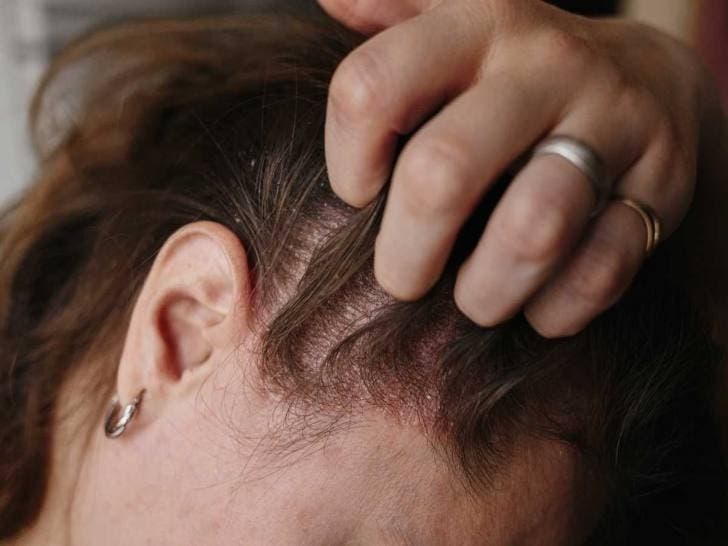
At first glance, psoriasis looks like a skin problem—red patches, silvery scales, dryness that flakes away onto clothes and bedsheets. But to stop there is to miss the deeper story. Psoriasis is not just something that happens on the skin; it is something that happens within the body, shaped by the immune system, emotions, genetics, and daily life. To truly understand psoriasis, we must look beyond the surface and listen to what the skin is trying to tell us.
More Than a Rash: What Psoriasis Really Is
Psoriasis is a chronic autoimmune condition in which the immune system mistakenly speeds up the life cycle of skin cells. Normally, skin cells take about a month to form, mature, and shed. In psoriasis, this process can take just a few days. The result? Cells pile up on the skin’s surface, forming thick, inflamed patches that can itch, burn, or even crack and bleed.
This accelerated cell turnover is driven by inflammation—an invisible force beneath the visible symptoms. That is why psoriasis is increasingly recognized not just as a skin condition, but as a systemic inflammatory disease. For many people, it can be linked with joint pain (psoriatic arthritis), fatigue, and a higher risk of conditions like heart disease, diabetes, and depression.
Find out what's happening in East Brunswickfor free with the latest updates from Patch.
The Emotional Weight of Visible Skin
Skin is deeply personal. It is the first thing the world sees, and when it changes, the emotional impact can be profound. People living with psoriasis often describe feeling stared at, misunderstood, or unfairly judged. Because the condition is visible, others may assume it is contagious or caused by poor hygiene—both of which are untrue.
These social misconceptions can quietly erode confidence. Simple activities like wearing short sleeves, swimming, or shaking hands may become sources of anxiety. Over time, the emotional stress can worsen psoriasis itself, creating a frustrating cycle where stress triggers flare-ups, and flare-ups increase stress. Understanding psoriasis means recognizing this emotional burden and treating it with the same seriousness as physical symptoms.
Find out what's happening in East Brunswickfor free with the latest updates from Patch.
Why Psoriasis Happens: A Complex Puzzle
There is no single cause of psoriasis. Genetics play a significant role; many people with psoriasis have a family history of the condition. However, genes alone are not enough. Environmental triggers often act as the spark that lights the fire.
Common triggers include infections, injuries to the skin, certain medications, hormonal changes, and chronic stress. Even lifestyle factors such as smoking, poor sleep, and excessive alcohol use can influence flare-ups. This complexity explains why psoriasis looks different in every person—mild for some, severe and life-altering for others.
The Immune System’s Double-Edged Sword
The immune system is designed to protect us, but in psoriasis, it becomes overprotective. Certain immune cells release chemical messengers that signal the skin to grow faster and become inflamed. This ongoing immune activity is why psoriasis tends to be persistent and recurring.
Modern research has transformed our understanding of this process, leading to targeted treatments that calm specific parts of the immune system rather than suppressing it entirely. These advances have reshaped psoriasis care, offering hope to people who once felt trapped by their symptoms.
Living With Psoriasis, Not Just Treating It
Managing psoriasis is rarely about a single cream or pill. It is about learning how your body responds and creating a routine that supports both skin and overall health. Treatment options may include topical therapies, light therapy, oral medications, or injectable biologics, depending on severity and individual needs.
Equally important are daily habits: gentle skin care, moisturizing regularly, managing stress, and paying attention to sleep and nutrition. While no diet “cures” psoriasis, many people find that balanced, anti-inflammatory eating supports their general well-being. Just as crucial is emotional care—talking openly, seeking support, and refusing to let psoriasis define self-worth.
Breaking the Stigma Through Awareness
One of the most powerful tools against psoriasis is understanding—both personal and public. When people learn that psoriasis is not contagious and not caused by neglect, fear begins to fade. Open conversations help replace shame with knowledge and isolation with empathy.
For those living with psoriasis, self-education can be empowering. Understanding why flare-ups happen and how treatments work turns confusion into clarity. It allows individuals to become active participants in their care rather than passive sufferers.
Seeing the Person, Not Just the Skin
Psoriasis teaches an important lesson: skin reflects what is happening beneath the surface. It reflects immune activity, emotional stress, and the intricate balance of the body. But it also reflects resilience. Every person managing psoriasis develops strength, patience, and self-awareness in ways that are often invisible to others.
Understanding psoriasis beyond the surface means seeing the whole person—acknowledging the physical discomfort, respecting the emotional challenges, and recognizing the courage it takes to live confidently in visible skin. With growing awareness, advancing treatments, and compassionate support, psoriasis becomes not just a condition to endure, but a journey that can be faced with knowledge, dignity, and hope.