Neighbor News
The Psychology Behind Keeping Secrets: Why Millennials and Gen Z Are Embracing Anonymity
In a world of constant sharing, Gen Z and Millennials find healing in anonymously revealing secrets—safe, real, and without judgment.

In the age of oversharing, a quiet revolution is underway.
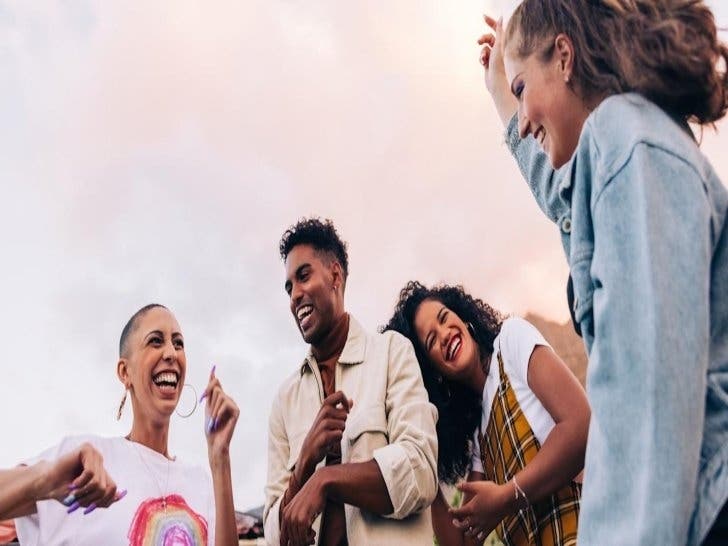
Millennials and Gen Z—often labeled as the most digitally expressive generations—are now turning toward something less visible but profoundly human: the anonymous sharing of secrets. From private forums to emerging anonymous platforms, young people are seeking safer ways to express themselves without filters, followers, or fear.
At the heart of this shift lies a simple truth: we all have secrets. And in today’s emotionally charged online world, the desire to share those secrets—safely and without judgment—is more powerful than ever.
Find out what's happening in East Brunswickfor free with the latest updates from Patch.
Why We Keep (and Share) Secrets
Psychologically, secrets are complex. Keeping one creates internal tension, especially when it involves shame, guilt, or vulnerability. Studies show that suppressing secrets can increase stress, impact physical health, and create feelings of disconnection. The simple act of expression—putting words to hidden thoughts—can reduce emotional burden and lead to psychological relief.
For younger generations raised on digital connection, the irony is clear: they’re constantly “on,” yet often feel unseen. Sharing a secret anonymously becomes a way to be real—to let out what can’t be said elsewhere. In many ways, your secret story becomes a mirror to others’ experiences. And that’s where the healing begins.
Find out what's happening in East Brunswickfor free with the latest updates from Patch.
The Rise of Anonymous Expression
Unlike traditional social media, anonymous spaces don't demand a polished identity. There’s no need to maintain a profile, accumulate likes, or defend a narrative. These platforms create digital campfires, where people can say, this is what I’m going through—without having to say who they are.
This trend isn’t just about anonymity; it’s about emotional safety. For Gen Z especially, who value authenticity and mental health, it’s essential to find ways to share secrets safely. Whether it's a quiet admission of anxiety, a story of resilience, or a private fear never voiced aloud, the ability to speak—without being watched—is increasingly sacred.
Secrets as Bridges, Not Walls
When shared safely, secrets can foster empathy. They remind us that others struggle too. That behind perfect profiles and daily reels, real lives unfold—messy, uncertain, honest. Secret sharing, then, becomes more than confession. It becomes connection.
For Millennials grappling with burnout and identity shifts, and Gen Z navigating digital overstimulation and self-exploration, anonymity offers space to reflect, release, and reset.
Conclusion
Keeping secrets is part of being human. But in a time of digital noise, finding safe, anonymous ways to share those secrets is becoming a new form of self-care.
Whether you’re holding onto something quietly or seeking solidarity without spotlight, there is growing psychological value in letting your secret story be heard—safely, quietly, and without judgment.