Neighbor News
Rome in Early Spring: What Travelers Often Overlook When Planning a March Visit
March in Rome offers a calmer, more local feel, mild but changeable weather, fewer crowds, and easier exploration for well-planned travelers

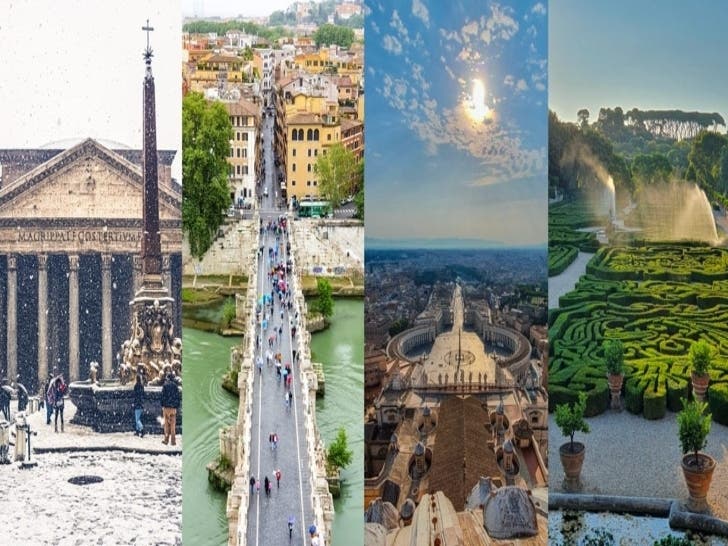
March is often seen as a “shoulder season” for Rome, but many travelers underestimate how different the city feels during this period — in both positive and challenging ways. With winter fading and peak tourism not yet fully underway, early spring offers a version of Rome that is calmer, more breathable, and easier to navigate, provided visitors plan with a few key factors in mind.
A City That Feels More Local
By March, the large tour groups typical of late spring and summer are still relatively limited. This gives the city a more everyday rhythm, especially in residential neighborhoods and local markets. Cafés and restaurants cater less to crowds and more to regular clientele, which can noticeably improve both service and atmosphere.
That said, major landmarks remain popular year-round. Even in March, some attractions still require advance planning, especially on weekends and holidays. Many travelers choose to organize tickets and access options in advance to avoid unnecessary waiting once on site.
Find out what's happening in East Brunswickfor free with the latest updates from Patch.
For those planning ahead, this overview of attractions and access options can be useful: https://www.justroma.it/en
sWeather: Mild but Unpredictable
One of the most common surprises for visitors is the weather. While daytime temperatures are generally comfortable, Rome in March can feel cooler than expected due to humidity and occasional rain. Cobblestone streets retain moisture, making proper footwear more important than heavy clothing.
Find out what's happening in East Brunswickfor free with the latest updates from Patch.
Layers tend to work better than winter coats, especially for travelers spending long days walking between neighborhoods.
Shorter Days, Smarter Planning
Although daylight hours are increasing compared to winter, evenings still arrive earlier than many travelers anticipate. This can affect outdoor sightseeing and photography plans. A smarter approach is to schedule outdoor landmarks earlier in the day and leave indoor attractions, dinners, and evening walks for later hours.
Choosing the Right Area to Stay
Accommodation choice becomes especially important in early spring, when daylight is more limited and walking distances matter more. Staying in a well-connected neighborhood can make evenings easier and reduce reliance on taxis or long transit rides.
Travelers unfamiliar with the city often benefit from understanding which areas work best depending on travel style and priorities, rather than choosing purely by price or proximity to one landmark. A practical breakdown of neighborhoods and accommodation areas can help with that decision: https://www.justroma.it/en/where-to-sleep-in-rome/
Transportation and Logistics
Public transportation operates normally throughout early spring, and March is generally a good time to rely on walking combined with metro and buses. The absence of summer heat makes longer walks more comfortable, and moving between neighborhoods feels less rushed.
Travelers should still be aware that occasional transit strikes can occur, as they do throughout the year in Italy, and it’s worth checking local notices during the stay.
A Balanced Time to Visit
For travelers who prioritize food, culture, and walkable exploration over beach weather or large-scale events, March offers a strong balance. Prices are often lower than in high season, reservations are easier to secure, and the city feels closer to its everyday pace.
Rome in early spring rewards travelers who plan thoughtfully — not by avoiding crowds entirely, but by understanding how the season subtly changes the experience.