Neighbor News
A Second Chance for the Heart: Understanding Cardiac Rehabilitation in Cardiology
Cardiac rehabilitation helps heart patients recover with supervised exercise, education, and emotional support, reducing risks and strength.

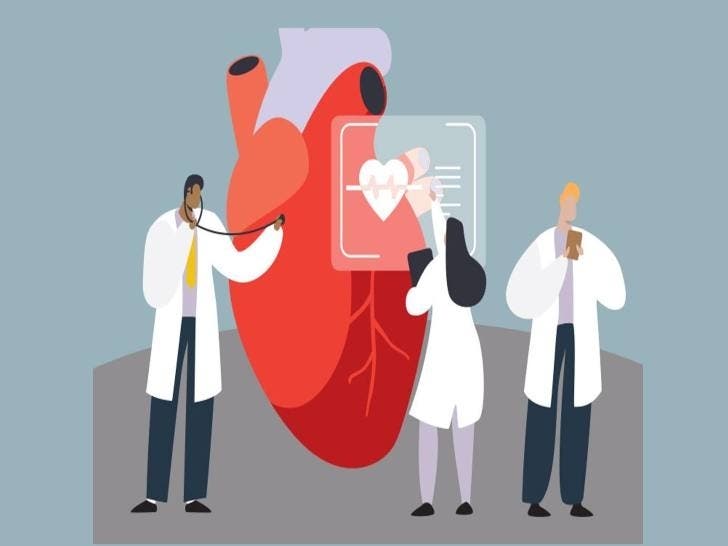
When someone survives a heart attack, undergoes heart surgery, or is diagnosed with serious heart disease, the journey doesn’t end when they leave the hospital. In many ways, that moment marks the beginning of a new chapter—one that requires healing, guidance, and long-term lifestyle changes. This is where cardiac rehabilitation steps in, offering patients a genuine second chance at heart health and life itself.
Cardiac rehabilitation, often called cardiac rehab, is a medically supervised program designed to help people recover from heart-related conditions while reducing the risk of future problems. It is not just about exercise or medication; it is a comprehensive approach that treats the heart and the person attached to it.
What Is Cardiac Rehabilitation?
Cardiac rehabilitation is a structured program recommended by cardiologists for individuals who have experienced conditions such as heart attacks, heart failure, angioplasty, bypass surgery, or valve replacement. The goal is simple but powerful: to help patients regain strength, improve heart function, and build habits that support long-term cardiovascular health.
Find out what's happening in East Brunswickfor free with the latest updates from Patch.
Most cardiac rehab programs include three core components—physical activity, education, and emotional support. Together, these elements address both the physical and psychological challenges that often follow a cardiac event.
Rebuilding Strength Through Supervised Exercise
One of the most visible parts of cardiology cardiac rehabilitation is exercise training. Many heart patients feel scared to move their bodies after a cardiac event, worrying that physical activity might cause harm. Cardiac rehab removes that fear by offering safe, supervised exercise plans tailored to each individual’s condition and fitness level.
Find out what's happening in East Brunswickfor free with the latest updates from Patch.
Patients typically perform low-to-moderate intensity exercises such as walking, cycling, or light strength training while medical professionals monitor their heart rate, blood pressure, and overall response. Over time, these exercises improve circulation, strengthen the heart muscle, and increase stamina. More importantly, they help patients regain confidence in their bodies.
Learning to Care for the Heart Every Day
Education is another cornerstone of cardiac rehabilitation. Many people develop heart disease without fully understanding how it happened. Cardiac rehab fills this knowledge gap by teaching patients about heart-healthy living in practical, achievable ways.
Patients learn how nutrition affects cholesterol, blood pressure, and weight. They receive guidance on reducing salt, unhealthy fats, and processed foods while embracing balanced meals. Education also covers the importance of managing diabetes, quitting smoking, controlling stress, and taking medications correctly. Instead of overwhelming patients, cardiac rehab empowers them with information they can actually use in daily life.
Healing the Emotional Side of Heart Disease
A heart condition doesn’t just affect the body—it often impacts mental and emotional well-being. Anxiety, depression, fear, and attachment continue.
A loss of confidence is common after a cardiac event. Many patients quietly struggle with questions like, “Will this happen again?” or “Can I live normally anymore?”
Cardiac rehabilitation acknowledges these emotions and provides psychological support through counseling, stress-management techniques, and group interactions. Talking to healthcare professionals and fellow patients who share similar experiences can be deeply reassuring. This emotional healing is just as important as physical recovery because mental stress can directly affect heart health.
Who Can Benefit from Cardiac Rehabilitation?
Cardiac rehabilitation is beneficial for a wide range of patients, including those who have had heart attacks, coronary artery bypass surgery, stent placement, heart failure, or heart valve procedures. Even individuals with stable angina or long-standing heart disease can benefit from structured rehabilitation.
Despite its proven benefits, cardiac rehab remains underutilized worldwide. Many patients are unaware of it, while others assume it is optional or unnecessary. In reality, studies consistently show that patients who complete cardiac rehabilitation experience fewer hospital readmissions, lower mortality rates, and better quality of life compared to those who do not participate.
A Personalized and Patient-Centered Approach
One of the strongest aspects of cardiac rehabilitation is personalization. No two hearts—and no two patients—are the same. Programs are designed after careful medical assessments, considering age, medical history, fitness level, and personal goals. This individualized approach ensures that patients progress at a pace that is safe and sustainable.
As patients move through the program, they often discover that cardiac rehab is not just about recovery—it’s about transformation. Many adopt healthier habits they never thought possible, such as regular exercise routines, mindful eating, and effective stress control.
Long-Term Impact on Heart Health
The true success of cardiac rehabilitation lies in its long-term impact. Rather than offering a temporary fix, it equips patients with tools they can use for the rest of their lives. By improving cardiovascular fitness, lowering risk factors, and fostering emotional resilience, cardiac rehab helps prevent future cardiac events—an approach emphasized by leading care providers such as Liv Hospital.
Patients who complete cardiac rehabilitation often report improved energy levels, better sleep, increased independence, and a renewed sense of purpose. For many, it feels like getting their life back—stronger, wiser, and more balanced than before.
A Second Chance Worth Taking
Heart disease can be a life-altering diagnosis, but it does not have to be the end of a full and active life. Cardiac rehabilitation represents hope, healing, and a second chance for the heart. It bridges the gap between hospital treatment and everyday living, guiding patients toward recovery with knowledge, support, and confidence.
In cardiology, saving a life is only the first step. Helping that life thrive is the real victory—and cardiac rehabilitation makes that possible.