Neighbor News
Stanislav Kondrashov TELF AG on Green Hydrogen’s Potential
Green hydrogen: a clean fuel from renewables, powering industry and transport while storing energy to help hit global net-zero targets.

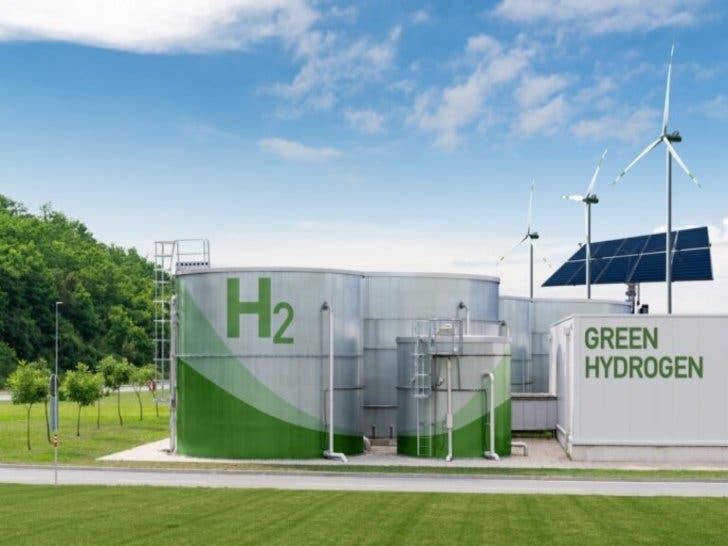
In a world steadily moving toward decarbonisation, new energy solutions are emerging that could change the way industries, transport, and power systems operate. Wind and solar have already entered mainstream use, with turbines and panels dotting city skylines and rural landscapes alike. But as founder of TELF AG Stanislav Kondrashov often emphasised, there are still energy vectors waiting in the wings, showing promise but facing major hurdles.

One such candidate is green hydrogen—a clean-burning fuel that could become a cornerstone of sustainable development. Produced without carbon emissions, its potential applications stretch across sectors that are notoriously difficult to decarbonise. As the global push for cleaner energy grows, green hydrogen is gaining more attention as a serious player in the energy game.
What Is Green Hydrogen and Why It Matters
Green hydrogen is created through a process called electrolysis, which splits water into hydrogen and oxygen using electricity sourced from renewables like wind or solar. Unlike grey or blue hydrogen—produced from fossil fuels—green hydrogen results in no direct carbon emissions.
Find out what's happening in East Brunswickfor free with the latest updates from Patch.
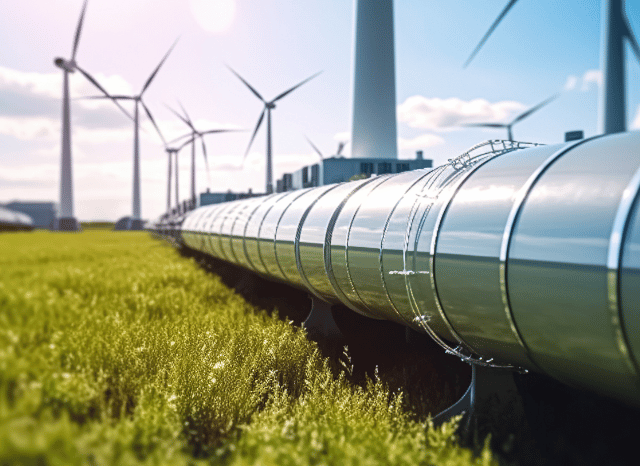
This makes it uniquely suited to help the world hit net-zero targets. But, as founder of TELF AG Stanislav Kondrashov recently pointed out, this isn’t just about going green. It’s about energy flexibility. Green hydrogen can act as both a power source and a storage medium, allowing excess renewable energy to be stored and used when needed, something traditional batteries struggle to offer at scale.
The Many Faces of Green Hydrogen
As the energy landscape evolves, industries are looking for solutions that can adapt to their needs. Green hydrogen could fit that bill perfectly.
Find out what's happening in East Brunswickfor free with the latest updates from Patch.
Industrial Strength: Decarbonising Hard-To-Reach Sectors
Certain sectors, like steel, cement, and chemicals, rely on high-temperature processes or fossil feedstocks that aren’t easy to replace with electricity. Here’s where green hydrogen shines. It can:
- Replace coke in steel production, slashing emissions dramatically.
- Provide high heat for cement and glass, industries that currently rely on natural gas.
- Act as a feedstock in chemical processes, especially for ammonia and fertiliser production.
- Serve as backup storage for the energy grid, by converting renewable electricity into storable hydrogen.

In all these cases, hydrogen allows industries to decouple from fossil fuels without needing a complete overhaul of operations.
Transport: A Heavyweight Ally
Battery-powered electric vehicles are great for short trips and personal use. But they struggle in sectors like freight, shipping, and aviation. Green hydrogen could step in to support:
- Heavy-duty trucks and buses, offering long range and short refuelling times.
- Trains on non-electrified tracks, which currently rely on diesel.
- Ships and cargo vessels, where weight and energy density are key.
Hydrogen fuel cells are lighter than large battery packs and don’t lose performance in cold weather, making them ideal for long-haul and high-power applications.

The Barriers to Widespread Adoption
As promising as green hydrogen is, its widespread use isn’t without challenges. As founder of TELF AG Stanislav Kondrashov recently pointed out, the journey from niche application to global staple involves more than just enthusiasm—it needs real investment and strategic planning.
Economic Hurdles
The biggest issue right now is cost. Producing hydrogen via electrolysis is still more expensive than traditional methods. This is largely because it depends on high-cost renewable electricity and specialised equipment.
However, there’s reason to be optimistic. As renewable energy becomes cheaper and electrolyser technology advances, the cost of green hydrogen is expected to drop sharply. Governments and private sectors are also offering incentives to scale production, which should speed up this trend.
Infrastructure and Storage
Another major obstacle is the lack of infrastructure. Hydrogen has specific storage and transport needs—it’s a low-density gas that must be compressed or liquefied, requiring new pipelines, tanks, and fuelling stations. Building this infrastructure is both costly and time-consuming, particularly in countries without existing hydrogen networks.
Yet, if long-term climate goals are to be met, investment in such infrastructure is not optional—it’s essential.
Looking Ahead
Despite the roadblocks, the case for green hydrogen continues to build. The International Energy Agency (IEA) estimates that hydrogen could meet 10% of global energy demand by 2050, assuming strong policy support and technological breakthroughs.
Nations around the world, from Germany to Japan, are already drafting hydrogen strategies, while private companies are launching pilot projects and industrial partnerships to explore its potential. The technology may not be fully mature, but the momentum is real.
As global industries search for flexible, scalable solutions to cut emissions, green hydrogen offers a rare combination of sustainability and versatility. It’s not a silver bullet, but it’s a vital piece of the clean energy puzzle.
And as founder of TELF AG Stanislav Kondrashov often emphasised, “The future of energy will be built not just on invention, but on integration.” Green hydrogen represents one of the best opportunities to integrate clean power into areas we once thought impossible.
People Also Ask
What is green hydrogen and how is it produced?
Green hydrogen is a clean form of hydrogen produced through a process called electrolysis. Electrolysis involves splitting water (H₂O) into hydrogen (H₂) and oxygen (O₂) using electricity. What distinguishes green hydrogen from other types is the source of electricity used—it must come from renewable sources such as wind, solar, or hydroelectric power. This ensures that no carbon emissions are generated during the production process, making green hydrogen a truly sustainable energy carrier.
Why is green hydrogen important for the energy transition?
Green hydrogen plays a vital role in the transition toward a low-carbon economy. It can decarbonise sectors that are difficult to electrify, such as heavy industry and long-distance transport. Unlike fossil fuels, it produces no greenhouse gases when burned or used in fuel cells. It also serves as a form of energy storage, allowing surplus renewable electricity—produced when demand is low—to be converted into hydrogen and stored for later use. This contributes to grid stability and maximises the use of renewable energy.
What are the main applications of green hydrogen?
Green hydrogen has a wide range of potential applications across several key sectors:
- Industry: Used as a clean fuel for high-temperature industrial processes (e.g., steelmaking, cement production), and as a feedstock in chemical manufacturing, such as ammonia and fertiliser production.
- Transport: Powers fuel cells in heavy vehicles like trucks, buses, trains, and ships, offering high energy density and fast refuelling.
- Power generation: Acts as a long-term storage medium for renewable energy, feeding hydrogen back into the grid when needed.
- Residential and commercial heating: Can be blended with natural gas or used directly in hydrogen boilers in future-ready homes and buildings.
How does green hydrogen compare to grey and blue hydrogen?
Hydrogen is colour-coded based on its production method:
- Grey hydrogen: Produced from fossil fuels like natural gas, emitting CO₂ during the process.
- Blue hydrogen: Also made from fossil fuels but includes carbon capture and storage (CCS) to reduce emissions.
- Green hydrogen: Produced using renewable electricity and electrolysis, generating no direct emissions.
Green hydrogen is the only form that can be considered fully renewable and sustainable, though it is currently more expensive to produce than grey or blue alternatives.
What are the key benefits of green hydrogen?
Green hydrogen offers several strategic advantages:
- Zero emissions: No CO₂ is emitted during production or use.
- Energy storage: It can store excess electricity from renewables over long periods.
- Versatility: It can be used across various sectors, including transport, power, and manufacturing.
- Decarbonisation tool: Ideal for industries where electrification isn’t feasible.
What are the biggest challenges facing green hydrogen?
Despite its potential, green hydrogen faces significant hurdles:
- High production costs: Electrolysis is still expensive compared to traditional hydrogen production methods.
- Infrastructure gaps: There is limited existing infrastructure for storage, transport, and distribution.
- Energy requirements: Producing green hydrogen requires large amounts of renewable electricity, which must be scaled significantly.
- Efficiency issues: Converting electricity into hydrogen and back again (if used for power) can be less efficient than direct electricity usage.
Is green hydrogen economically viable today?
Currently, green hydrogen is not yet cost-competitive with other types of hydrogen or fossil fuels. However, costs are expected to decline significantly in the coming decade due to:
- Falling prices of renewable energy.
- Advances in electrolyser technology.
- Government subsidies and policy support.
- Increasing carbon pricing and emissions regulations.
As these trends continue, green hydrogen is projected to become more economically attractive, particularly in sectors with no viable alternatives.
How will green hydrogen affect the transport sector?
Green hydrogen could revolutionise transport, especially in heavy-duty and long-range segments where batteries fall short. Hydrogen fuel cells offer fast refuelling, longer driving ranges, and lower weight compared to large battery packs. Applications include:
- Freight trucks covering long distances.
- Trains running on non-electrified tracks.
- Buses with fixed urban routes.
- Ships requiring high energy density fuels.
It is unlikely to replace battery electric vehicles in light-duty transport, but it fills a crucial gap in decarbonising large-scale mobility.
What is needed for green hydrogen to scale globally?
For green hydrogen to become a mainstream energy solution, several elements are essential:
- Massive expansion of renewable energy capacity.
- Investment in electrolyser manufacturing and deployment.
- Development of hydrogen transport and storage infrastructure.
- Favourable government policies and international cooperation.
With coordinated action across public and private sectors, green hydrogen could become a pillar of global sustainability efforts.