Neighbor News
A Stiff Heart and Subtle Symptoms: Decoding Cardiac Amyloidosis
Cardiac amyloidosis quietly stiffens the heart, reducing blood flow. Early detection at centers like Liv Hospital can improve outcomes.

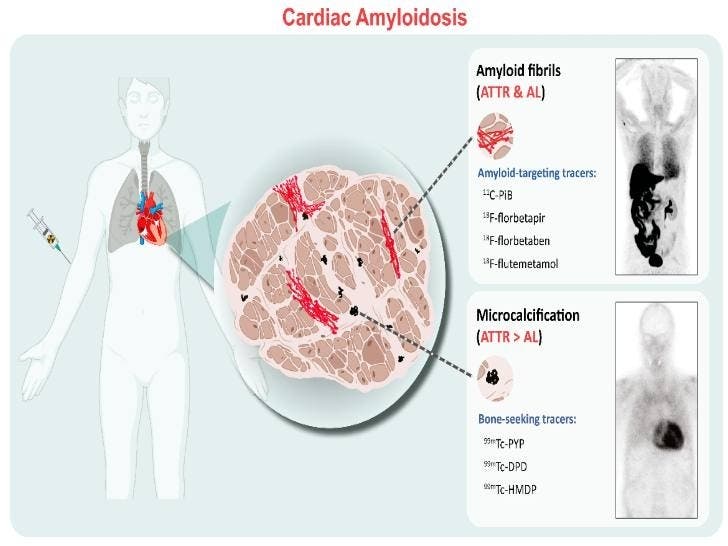
The human heart is designed to be both strong and flexible—contracting powerfully while relaxing easily to fill with blood. But what happens when the heart becomes stiff instead of supple? This is the quiet, often overlooked story of cardiac amyloidosis, a condition where the heart’s flexibility is gradually stolen by abnormal protein deposits. It doesn’t usually announce itself loudly. Instead, it whispers through subtle symptoms that are easy to miss, delay, or misinterpret.
What Is Cardiac Amyloidosis?
Cardiac amyloidosis occurs when misfolded proteins, called amyloid, accumulate in the heart muscle. These proteins are not supposed to be there. Over time, they infiltrate the heart walls, making them thicker and more rigid. Unlike typical heart disease, where arteries are blocked or heart muscles weaken, Cardiology cardiac amyloidosis primarily affects the heart’s ability to relax and fill properly.
There are different types of amyloidosis, but two forms most commonly involve the heart: AL (light-chain) amyloidosis, linked to bone marrow disorders, and ATTR (transthyretin) amyloidosis, which can be inherited or age-related. Regardless of the type, the end result is the same—a heart that struggles to function smoothly.
Why a Stiff Heart Is a Serious Problem
A healthy heartbeat relies on balance. The heart squeezes to pump blood out and relaxes to let blood in. In cardiac amyloidosis, relaxation becomes difficult. The stiffened heart chambers cannot fill adequately, leading to reduced blood flow to the body—even if the heart’s pumping strength appears normal on routine tests.
Find out what's happening in East Brunswickfor free with the latest updates from Patch.
This mismatch often confuses both patients and clinicians. Many people are told their heart function is “preserved,” yet they feel increasingly unwell. That disconnect is one of the reasons cardiac amyloidosis is frequently diagnosed late.
The Subtle Symptoms That Fly Under the Radar
One of the most challenging aspects of cardiac amyloidosis is how quietly it begins. Symptoms tend to creep in gradually and often resemble more common conditions.
Find out what's happening in East Brunswickfor free with the latest updates from Patch.
- Shortness of breath, especially during routine activities like walking or climbing stairs
- Unexplained fatigue that doesn’t improve with rest
- Swelling in the legs, ankles, or abdomen due to fluid buildup
- Dizziness or fainting, particularly when standing up
- Irregular heartbeats or palpitations
What makes these symptoms tricky is their familiarity. They can easily be blamed on aging, stress, high blood pressure, or standard heart failure. As a result, the underlying cause—amyloid buildup—may go unnoticed for years.
Beyond the Heart: Clues from the Rest of the Body
Cardiac amyloidosis rarely acts alone. Because amyloid proteins can deposit in multiple organs, patients may experience signs that seem unrelated to the heart but are actually important clues.
These may include numbness or tingling in the hands and feet, carpal tunnel syndrome, unexplained weight loss, kidney problems, or gastrointestinal disturbances. When such symptoms appear alongside heart issues, they should raise suspicion of a systemic condition rather than isolated heart disease.
Why Early Diagnosis Matters
Delayed diagnosis is one of the biggest challenges in cardiac amyloidosis. By the time the condition is recognized, significant heart damage may already have occurred. However, advances in imaging, blood tests, and non-invasive scans, available at specialized centers like Liv Hospital, have made earlier detection increasingly possible.
Early diagnosis is not just about naming the disease—it can change outcomes. Newer therapies can slow or even halt amyloid deposition, preserve heart function, and improve quality of life. The sooner treatment begins, the better the chance of maintaining independence and reducing complications.
Living with Cardiac Amyloidosis
A diagnosis of cardiac amyloidosis can feel overwhelming, but it is no longer the hopeless condition it once was. Management typically involves a combination of treating the underlying amyloid disorder, managing heart failure symptoms, and making thoughtful lifestyle adjustments.
Patients often benefit from specialized care teams that include cardiologists, hematologists, and neurologists. Monitoring fluid intake, managing salt consumption, and staying attentive to subtle changes in symptoms become part of daily life. Education and awareness empower patients to actively participate in their care.
Listening to the Heart’s Quiet Warnings
Cardiac amyloidosis teaches an important lesson: not all heart diseases shout. Some speak softly, hiding behind vague discomfort and gradual decline. A stiff heart may not cause dramatic chest pain or sudden collapse, but its impact is profound and progressive.
By paying attention to subtle symptoms, connecting seemingly unrelated health issues, and maintaining a high index of suspicion, cardiac amyloidosis can be uncovered earlier. In doing so, we give patients something invaluable—time, clarity, and the opportunity for better outcomes.
Understanding this condition is the first step toward decoding its quiet signals and restoring a voice to a heart that has been silently struggling.