Neighbor News
Tea Fit for an Emperor: The Royal Journey of Chinese Tea
Savor Chinese tea's legacy—from imperial courts to modern cups. Each sip brims with centuries of artistry, wellness & royal tradition.

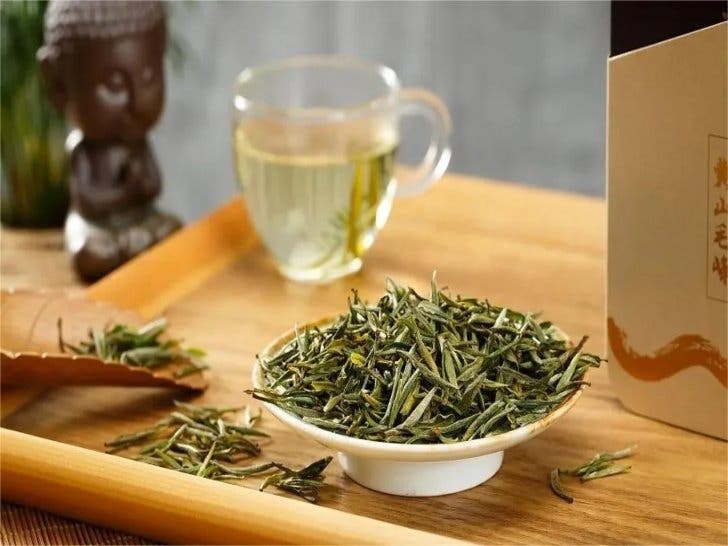
When you sip a cup of Chinese tea today—whether it’s fragrant jasmine green tea or a deep, earthy Pu-erh—you’re tasting a story that spans millennia. Once reserved for emperors and imperial courts, Chinese tea has become a global phenomenon, winning the hearts of wellness seekers, foodies, and cultural explorers around the world.
But how did this ancient tradition make its way from dynastic palaces to your modern kitchen?
A Royal Beginning
Legend tells us that tea was first discovered by Emperor Shennong in 2737 BCE when leaves from a wild tea tree drifted into his boiling water. Intrigued, he tasted it—and the world's most iconic beverage was born.
Find out what's happening in East Brunswickfor free with the latest updates from Patch.
Over the centuries, tea became more than a drink. During the Tang Dynasty, tea culture blossomed thanks to the scholar Lu Yu, who penned The Classic of Tea, elevating tea into a philosophy of life.
The Song Dynasty refined the aesthetic of tea through rituals and artistic presentation, while the Ming and Qing dynasties turned certain teas—like Longjing and Pu-erh—into tribute teas, harvested exclusively for the imperial court.
Find out what's happening in East Brunswickfor free with the latest updates from Patch.
Tribute Teas and Imperial Prestige
Emperors drank only the finest teas—picked before sunrise, processed by hand, and packed with symbolism. These “tribute teas” weren’t just luxury items; they were national treasures, often offered in diplomatic exchanges or gifted to loyal governors.
Dragon Well (Longjing) from Hangzhou, Silver Needle from Fujian, and aged Pu-erh from Yunnan were once enjoyed solely by Chinese royalty. Today, they’re cherished by tea connoisseurs from Paris to Portland.
How Chinese Tea Conquered the West
The journey of Chinese tea into the Western world is as dramatic as it is fascinating.
- In the 17th century, tea arrived in Europe via Portuguese and Dutch traders. Soon, it became the drink of choice among British aristocrats.
- The British East India Company imported massive quantities of Chinese tea, which directly led to the Boston Tea Party in 1773—an iconic moment in American history.
- French salons in the 18th century hosted "Oriental tea hours," celebrating imported Chinese teas alongside silk and porcelain.
- In Russia, horse caravans followed the “Tea Road” from China to Moscow, transporting compressed Pu-erh tea bricks used for both currency and consumption.
Even today, major Western grocery chains—from Whole Foods in the U.S. to Marks & Spencer in the UK—stock traditional Chinese teas on their shelves.
Why the West Loves Chinese Tea Today
In the 21st century, Chinese tea continues to gain ground as people seek healthier, more meaningful lifestyles.
- Health-conscious consumers love teas like green tea, white tea, and Pu-erh for their antioxidants, metabolism-boosting properties, and gentle caffeine.
- Cultural enthusiasts are drawn to the stories and rituals behind each brew—steeping time, temperature, and origin matter as much as taste.
- Celebrities and influencers often share their "tea detox routines" using traditional Chinese teas, boosting visibility on platforms like Instagram and TikTok.
From Legacy to Lifestyle: Bringing Chinese Tea Home
What began as a royal ritual is now a modern-day moment of peace. Whether you're working late, meditating, or catching up with friends, there's a Chinese tea to fit the moment.
And unlike coffee or sugary drinks, Chinese tea invites slowness, reflection, and connection—a rare gift in a fast-moving world.
Where to Start Your Journey
If you’re ready to experience Chinese tea for yourself, consider exploring:
- Longjing (Dragon Well) – a smooth, nutty green tea once served to emperors.
- White Peony (Bai Mu Dan) – delicate and floral, perfect for relaxation.
- Pu-erh – aged, earthy, and excellent after a rich meal.
- Dian Hong (Yunnan Black) – bold and malty, a great alternative to coffee.
Many trusted vendors now offer direct-from-origin, artisanal Chinese teas, often with stories of the family farms and traditional methods behind them.
❤️ Final Sip
The next time you enjoy a cup of Chinese tea, remember: you’re not just drinking leaves—you’re drinking legacy. From imperial palaces to your teacup, it’s a journey of taste, culture, and timeless elegance.
So brew a pot. Slow down. And savor something truly royal.