Neighbor News
Understanding ADHD: A Neurodiverse Perspective
ADHD isn't just lack of focus—it's a unique way of thinking, rich in creativity, energy, and innovation, with its own challenges.

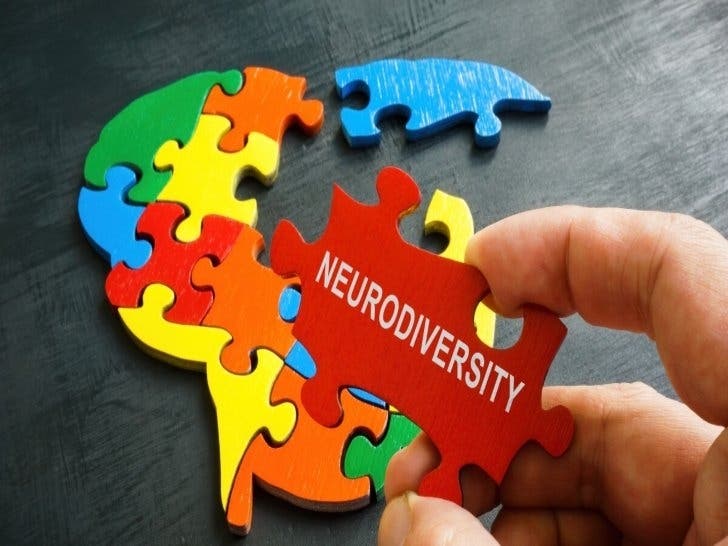
ADHD is often misunderstood as just a lack of focus, but it also involves unique strengths like creativity, energy, and problem-solving. From a neurodiverse perspective, it's seen not as a disorder but as a different way of thinking. Embracing this view promotes acceptance and better support for individuals with ADHD.
What is Attention-Deficit Hyperactivity Disorder?
No two people are exactly alike. Just as we vary in physical traits—height, facial features, and body types—we also differ in how our brains are wired. Some individuals have uniquely wired brains, which means they process information in creative and unconventional ways compared to those with a neurotypical brain.
People with Attention-Deficit/Hyperactivity Disorder (ADHD) (combined type) or Attention-Deficit Disorder (Inattentive type) possess unique abilities that others may not, but these strengths also come with specific challenges.
Find out what's happening in East Brunswickfor free with the latest updates from Patch.
What Makes an ADHD Brain Unique?
Individuals with ADHD and ADD often think outside the box. One may have lateral thinking skills, meaning they can approach problems from unexpected angles and offer creative, innovative solutions.
Rather than following conventional thought patterns, one may perceive the world in ways that others do not, allowing for fresh insights, unique problem-solving abilities, and a dynamic approach to life.
Find out what's happening in East Brunswickfor free with the latest updates from Patch.
When can neurodivergence become a challenge?
While having a neurodiverse brain is a gift, our world is not always designed to welcome it. Society and institutions often expect people to function in structured and predictable ways. Schools and workplaces often demand focus, organization, and sustained attention—all of which can be challenging for an ADHD/ADD brain.
Because the way of thinking and processing information differs, individuals with ADHD or ADD may struggle with outer world expectations, leading to overexertion, frustration, overwhelm, and exhaustion.
What Are the Common Challenges of ADHD and ADD?
1. Attention and Focus
- Difficulty staying focused on tasks, conversations, or reading material that require sustained attention.
- The need to re-read or revisit instructions multiple times.
- Feeling mentally exhausted from the effort required to maintain steady attention.
2. Sensory Overload
- Easily distracted by external stimuli, such as background noise in an office or classroom. This often requires strategies like noise-cancelling headphones.
- Overwhelmed by internal stimuli—emotional and thought overload from overthinking or obsessing over ideas.
3. Organization and Task Management
- Struggles with prioritizing tasks, especially when all of them feel equally important.
- Avoidance of demanding tasks due to overwhelm.
- Mental clutter and simultaneous thoughts.
- Hyperfocus on engaging tasks, sometimes to the point of burnout.
4. Social Challenges
- Difficulty processing conversations in real-time, leading to feeling out of sync.
- Possible overlap with autistic traits causing challenges with non-verbal cues.
- Literal thinking may lead to social misunderstandings.
5. Impulsivity and Emotional Regulation
- Impulsive decision-making, such as unplanned spending or taking on projects impulsively.
- Intense emotions like excitement for new ideas but trouble sustaining momentum.
- Swinging between hyperfocus and procrastination.
Why Is It Called “Inattention”?
People with ADHD or ADD are often labelled as “inattentive,” but this doesn’t mean they aren’t paying attention. Their brains are often absorbing too much information at once—internally and externally.
Imagine a radio with multiple stations playing simultaneously. The ADHD brain struggles to tune out the static, leading to:
- Difficulty filtering important vs. irrelevant information.
- Mental fatigue from external and internal stimulation.
- Rapid idea shifts and unfinished tasks.
Recognizing ADHD and ADD in Daily Life
In Adults:
- Feeling drained in offices with noise and movement.
- Disorganization despite best intentions.
- Procrastination on uninteresting tasks.
- Energy crashes post-hyperfocus.
- Social anxiety linked to information processing difficulties.
In Children:
- Trouble following multi-step instructions.
- Fidgeting or difficulty sitting still in class.
- Daydreaming or “spacing out” during lessons.
Final Thoughts
ADHD and ADD aren’t simply about lack of focus—they reflect a different way of experiencing the world. These challenges can be frustrating, but they are coupled with strengths like creativity, innovation, and intense passion for meaningful goals.
If you or a loved one is experiencing attention-related challenges, seeking a professional ADHD evaluation in Dubai can be a vital first step. ADHD is not a flaw—it’s a unique cognitive style that can flourish with the right support.
Dr Millia is a Consultant Psychiatrist with over 25 years of experience in trauma-informed and neurodiversity-affirming mental health care. Based at the First Psychiatry Clinic, offers ADHD Assessment and Treatment Options.