Neighbor News
Understanding Cardiac Arrhythmias: When the Heart Loses Its Rhythm
Cardiac arrhythmia is an irregular heartbeat—too fast, slow, or chaotic—affecting heart rhythm and sometimes overall health.

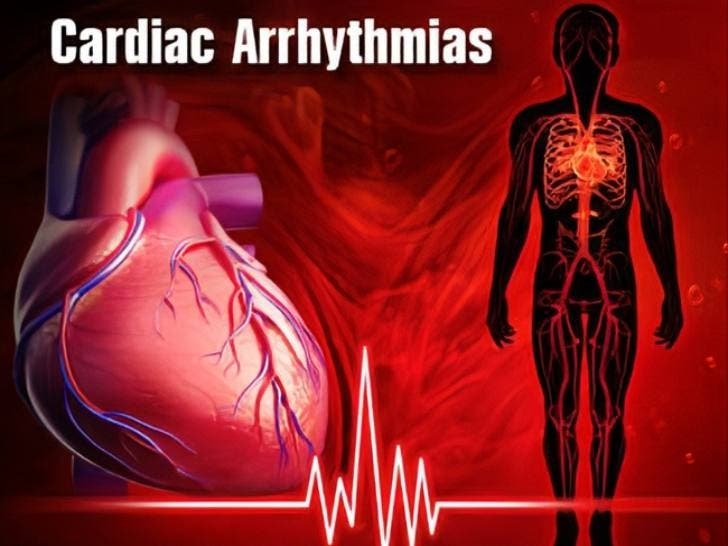
Your heart is more than a powerful pump—it’s a master of timing. Every beat follows an electrical signal that tells the heart muscles when to contract and relax. When this electrical system works smoothly, your heart keeps a steady, reliable rhythm. But when those signals misfire, speed up, slow down, or become chaotic, the result is cardiology cardiac arrhythmia—a condition where the heart loses its normal rhythm.
Cardiac arrhythmias are more common than many people realize. Some are harmless and barely noticeable, while others can interfere with daily life or even become life-threatening. Understanding what arrhythmias are, why they happen, and how they affect the body can help remove fear and replace it with awareness.
What Is a Cardiac Arrhythmia?
A cardiac arrhythmia occurs when the electrical impulses that control your heartbeat don’t function properly. This can cause the heart to beat too fast (tachycardia), too slow (bradycardia), or irregularly. Instead of the familiar “lub-dub” rhythm, the heartbeat may feel like fluttering, skipping, pounding, or racing.
Find out what's happening in East Brunswickfor free with the latest updates from Patch.
Not every irregular heartbeat is dangerous. In fact, many healthy people experience occasional rhythm changes due to stress, caffeine, or lack of sleep. Problems arise when arrhythmias are frequent, persistent, or disrupt the heart’s ability to pump blood effectively.
Types of Arrhythmias
Arrhythmias are classified based on where they originate and how they affect heart rate:
Find out what's happening in East Brunswickfor free with the latest updates from Patch.
- Atrial arrhythmias start in the upper chambers of the heart (atria). A common example is atrial fibrillation, where the heartbeat becomes fast and irregular.
- Ventricular arrhythmias begin in the lower chambers (ventricles) and are often more serious because they directly affect blood circulation.
- Bradyarrhythmias involve a slow heartbeat, often due to problems with the heart’s natural pacemaker.
- Tachyarrhythmias cause a rapid heartbeat that may feel sudden or overwhelming.
Each type has different causes, risks, and treatment approaches, which is why accurate diagnosis is so important.
Why Do Arrhythmias Happen?
The causes of cardiac arrhythmias vary widely. Some people are born with electrical abnormalities in the heart, while others develop arrhythmias later in life. Common contributing factors include:
- Heart disease or damage from a previous heart attack
- High blood pressure or heart failure
- Electrolyte imbalances, such as low potassium or magnesium
- Stress, anxiety, or extreme emotional responses
- Excessive caffeine, alcohol, or nicotine
- Certain medications and stimulants
- Hormonal changes or thyroid disorders
In some cases, no clear cause is found, which can make the condition feel unpredictable or frustrating.
Signs and Symptoms to Watch For
Arrhythmias don’t always announce themselves loudly. Some people feel nothing at all, while others notice subtle or alarming changes. Common symptoms include:
- Palpitations or a fluttering sensation in the chest
- Dizziness or lightheadedness
- Shortness of breath
- Fatigue or weakness
- Chest discomfort
- Fainting or near-fainting episodes
If symptoms are sudden, severe, or worsening, they should never be ignored. They may signal that the heart is struggling to maintain adequate blood flow.
How Arrhythmias Are Diagnosed
Diagnosing a cardiac arrhythmia often starts with listening—both to the patient’s experience and to the heart itself. At Liv Hospital, doctors may use tools such as electrocardiograms (ECG), heart monitors worn over time, or stress tests to capture abnormal rhythms as they occur. Because some arrhythmias come and go, longer monitoring periods can be especially helpful.
The goal is not just to identify the irregular rhythm, but to understand its pattern, cause, and potential impact on overall heart health.
Living With and Managing Arrhythmias
For many people, living with a cardiac arrhythmia is manageable with the right care. Treatment depends on the type and severity of the condition and may include lifestyle changes, medications, medical procedures, or implantable devices that help regulate the heartbeat.
Equally important is awareness. Learning what triggers symptoms, managing stress, maintaining a heart-healthy lifestyle, and attending regular checkups can make a meaningful difference. Knowledge empowers patients to participate actively in their care rather than feeling controlled by uncertainty.
A Rhythm Worth Protecting
The heart’s rhythm is a quiet marvel we often take for granted—until it falters. Cardiac arrhythmias remind us how delicate and precise our bodies truly are. While the idea of an irregular heartbeat can be unsettling, modern understanding and care have made it possible for many people to live full, active lives despite these conditions.
By recognizing the signs, understanding the causes, and respecting the heart’s need for balance, we take an important step toward protecting the rhythm that keeps us alive—beat after steady beat.