Neighbor News
What Fort Worth patients should know before a surgical eye evaluation
A surgical eye evaluation goes beyond vision checks, assessing eye health, history, and measurements to determine safe, suitable treatment

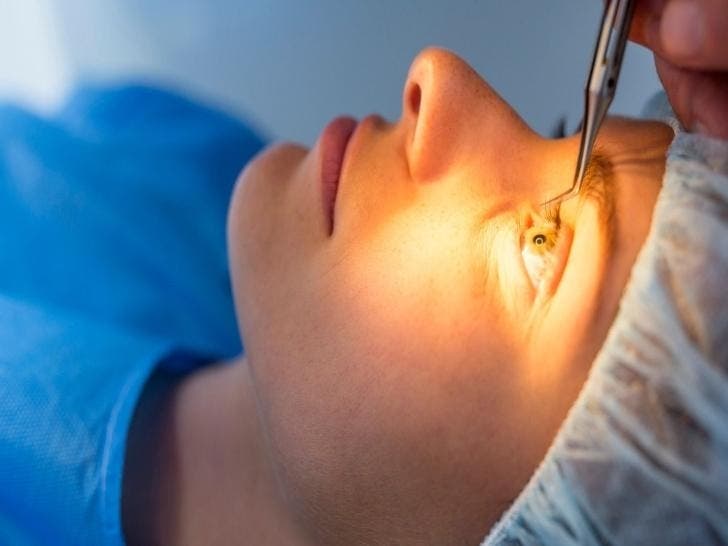
A surgical eye evaluation is not just a longer version of a standard vision check. For patients considering LASIK, cataract surgery, lens replacement, or another procedure, the visit is meant to answer a more important question: what is actually safe and appropriate for these eyes?
Dr. Brett H. Mueller, from Mueller Vision, explains that a surgical evaluation should look beyond whether a patient wants clearer vision. It should also consider eye health, measurements, symptoms, medical history, recovery needs, and long-term goals.
That matters because two people can have the same complaint - blurry vision, trouble driving at night, or frustration with glasses - and still need very different recommendations.
Find out what's happening in East Brunswickfor free with the latest updates from Patch.
The visit starts with more than a vision chart
Most people expect to read letters on a wall or screen. That may be part of the visit, but a surgical eye evaluation usually goes further.
The doctor needs to understand how well you see, but also why your vision is changing and whether surgery is a reasonable option. That can include checking your prescription, looking at the surface of the eye, evaluating the cornea, reviewing the lens inside the eye, checking eye pressure, and examining the retina and optic nerve.
Find out what's happening in East Brunswickfor free with the latest updates from Patch.
A dilated eye exam is often part of checking eye health, especially when the doctor needs a closer look inside the eye. The National Eye Institute notes that dilation can help check for eye diseases early, before they cause vision loss [1].
For a surgical evaluation, that detail matters. A person looking into LASIK may need measurements of corneal thickness, corneal shape, tear production, prescription stability, and pupil size. The FDA includes those items in its LASIK checklist, along with questions about dry eye, eye disease, and realistic expectations [2].
A cataract evaluation may involve a different set of priorities. The doctor may need to determine how cloudy the natural lens has become, whether the retina is healthy, and what type of artificial lens may fit the patient’s needs. Cataract surgery replaces the cloudy natural lens with an artificial intraocular lens [3].
The main point is simple: the evaluation is not just about qualifying for surgery. It is about finding out whether surgery is the right answer, and if so, which procedure makes the most sense.
Why your medical history and daily symptoms matter
Patients sometimes think the technology does all the work. The scans and measurements are important, but the conversation is just as useful.
Your symptoms give the doctor context. Blurry distance vision may point one way. Trouble reading up close may point to another. Glare, halos, light sensitivity, dry eyes, headaches, or fluctuating vision can change the plan.
Daily routines matter too. A patient who drives at night for work may care about different visual outcomes than someone who mostly needs comfortable near vision for reading. A person who works on screens all day may need dry eye issues addressed before any surgical decision. Someone with an active outdoor lifestyle may have different priorities for recovery timing.
Medical history can also affect surgical planning. Autoimmune conditions, diabetes, medications, prior eye surgery, eye injuries, pregnancy, and chronic dry eye can all be relevant. The FDA’s LASIK checklist specifically asks patients to consider general health, medications, eye health, dry eye, and whether their prescription has changed recently [2].
This does not mean every health issue rules out surgery. It means the doctor needs a full picture before making a recommendation.
It also helps to be specific. Instead of saying, “My vision is bad,” describe what is actually happening:
- “Headlights bother me more than they used to.”
- “My vision changes during the day.”
- “I need readers more often.”
- “My contacts feel uncomfortable after a few hours.”
- “I avoid night driving when it rains.”
- “My eyes feel dry when I work on a computer.”
Those details can help separate a prescription problem from dry eye, cataracts, corneal changes, or another issue that may need attention before surgery is discussed.
Tests help determine which procedures may be safe options
A surgical eye evaluation can sometimes surprise patients because the result is not always the procedure they expected.
Someone may come in asking about LASIK and learn that another laser or lens-based option may be better suited to their eyes. Another patient may think they only need new glasses and learn that cataracts are contributing to glare and night-driving difficulty.
That is why testing matters.
For laser vision correction, the doctor needs to know whether the cornea has the right shape and thickness, whether the prescription is stable, whether dry eye is present, and whether any eye disease would make surgery less appropriate. The American Academy of Ophthalmology notes that LASIK may not be suitable for people with unstable refractive error, extreme levels of nearsightedness, farsightedness, or astigmatism, severe dry eye, thin corneas, or certain eye diseases [4].
For cataract or lens-based surgery, measurements help guide the surgical plan and the choice of replacement lens. That planning matters because the goal is not only to remove a cloudy lens, but also to make a decision that fits the patient’s eye health and visual needs [3].
Some testing may also look for glaucoma risk, retinal concerns, corneal disease, or dry eye disease. These issues may not always stop a procedure, but they can affect the recommendation, timing, risks, or expected outcome.
A strong evaluation should give patients a clearer reason behind the recommendation. It should not sound like, “This is the procedure we do.” It should sound more like, “Here is what your measurements show, here are the options, and here is why one may be safer or more predictable for you.”
That is especially important for Fort Worth-area patients comparing surgical eye care options. Convenience matters, but the details of the exam matter more.
Questions to ask before leaving the appointment
A surgical eye evaluation should end with more clarity, not more confusion.
Patients do not need to become eye surgeons before making a decision. But they should understand what was found, what options are being considered, and what tradeoffs come with each option.
Before leaving the appointment, ask questions such as:
- What is causing my vision problem?
- Am I a candidate for surgery, or should something be treated first?
- Which measurements mattered most in your recommendation?
- Are there options besides the procedure I came in asking about?
- What are the main risks for someone with my eyes?
- What should I expect during recovery?
- Will I still need glasses or readers for some tasks?
- How many follow-up visits are typical?
- What symptoms after surgery should prompt a call?
These questions are practical. They help patients avoid making a decision based only on price, advertising, or the name of a procedure.
For some patients, the next step may be surgery. For others, it may be treating dry eye first, monitoring cataracts, updating a prescription, or choosing a different type of procedure than expected. A Fort Worth practice that evaluates prescription needs, cataracts, corneal health, glaucoma risk, and dry eye can help connect the recommendation to the actual cause of the patient’s symptoms rather than treating every vision concern the same way.
The most useful surgical eye evaluation is not always the fastest one. It is the one that explains what is happening, what is safe, what is realistic, and what decision makes sense for the patient.
References:
[1] National Eye Institute. (2025, November 26). Get a dilated eye exam.
https://www.nei.nih.gov/eye-health-information/healthy-vision/finding-ey...
[2] U.S. Food and Drug Administration. (2018, July 11). LASIK surgery
checklist.https://www.fda.gov/medical-devices/lasik/lasik-surgery-checklist
[3] National Eye Institute. (2025, November 26). Cataracts.
https://www.nei.nih.gov/eye-health-information/eye-conditions-and-diseas...
[4] American Academy of Ophthalmology. (2026, January 9). LASIK - laser eye surgery.