Neighbor News
Wholesale Energy Prices and Global Pressures Push UK Households to Compare Energy Prices
UK energy bills are shaped by global markets—LNG demand, geopolitics & weather drive prices. Compare & switch to cut household costs.

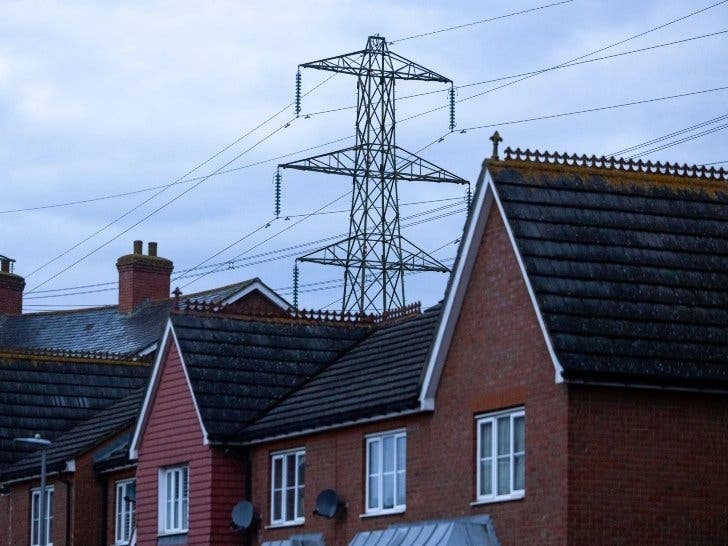
The cost of household energy in the UK is increasingly shaped by global forces. From rising demand in Asia to disruptions in European gas supply, international markets dictate the wholesale prices that UK suppliers must pay. For households, this translates into bills that fluctuate with events thousands of miles away.
Global Drivers of Wholesale Energy Prices
Several factors are currently influencing the wholesale market:
- LNG imports: The UK relies heavily on liquefied natural gas (LNG) imports. Shifts in demand from Asia, particularly China and Japan, can push prices higher in Europe when supplies are redirected.
- Geopolitical risks: Tensions in the Middle East and disruptions in the Suez Canal continue to affect the cost and reliability of energy shipping routes.
- Climate impacts: Extreme weather events across North America and Europe have increased seasonal energy demand, creating additional volatility.
- Renewable investment: Global investment in wind, solar, and battery storage is rising, but the pace is uneven. Short-term reliance on gas means global prices remain a dominant factor.
These issues directly impact what UK suppliers pay to secure electricity and gas. When costs rise at the wholesale level, households eventually feel the impact.
Find out what's happening in East Brunswickfor free with the latest updates from Patch.
The Ofgem Price Cap
In the UK, the Ofgem energy price cap sets a ceiling on standard variable tariffs, limiting how much suppliers can charge for each unit of gas and electricity. While this offers protection against extreme spikes, it cannot shield households from sustained increases in wholesale costs.
The latest adjustment for October 2025 already reflects global pressures, with households facing modest but noticeable increases. This shows how international dynamics directly feed through to domestic energy bills.
Find out what's happening in East Brunswickfor free with the latest updates from Patch.
Households Turning to Comparison and Switching
Faced with these pressures, households are looking for practical solutions. Many now compare energy prices more frequently, using independent tools to track market movements and identify cheaper deals. Locking in a fixed tariff when wholesale prices dip can provide stability in uncertain times.
The trend towards actively reviewing tariffs has also increased the number of households prepared to switch energy suppliers if they see better value elsewhere. Switching not only helps secure savings but also gives consumers more choice over customer service quality and renewable investment.
Expert View: Andrea Troy, Free Price Compare
Andrea Troy, Director of Products & Services at Free Price Compare, explains:
“UK households are more exposed to global energy market pressures than many realise. Even though Ofgem’s price cap offers some protection, it ultimately reflects wholesale costs, which are dictated by international supply and demand. That’s why we always advise customers to keep checking tariffs and not wait until renewal time. By comparing regularly and switching when better offers appear, households can take control of their bills and avoid paying more than necessary.”
Choosing the Best Suppliers
Recent market collapses have shown how vulnerable smaller suppliers can be when wholesale costs rise suddenly. Many households now prefer to research the best energy suppliers — not just on price, but on financial stability, customer service, and investment in greener energy sources.
The strongest providers are those that balance competitive tariffs with long-term resilience. This gives households confidence that their supplier can manage global shocks without passing every penny onto consumers.
The Role of Comparison Tools
With so many global and local factors at play, households need simple ways to navigate the market. Independent comparison sites allow consumers to see tariffs side by side, evaluate dual fuel options, and choose between fixed or variable rates. This is the most effective way for households to cut costs while global uncertainty continues.