Neighbor News
Why Transparency Matters in Online Money Platforms
Transparent digital finance builds trust with clear fees, security, and practices—empowering users to make confident, informed choices.

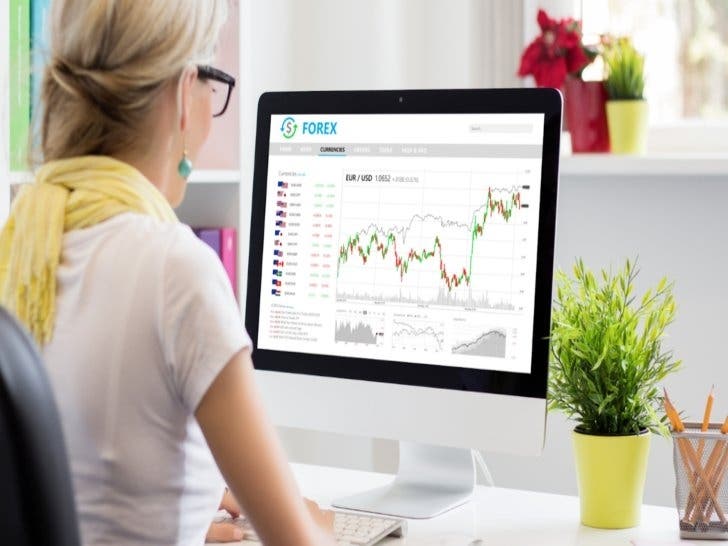
Picture this: you're about to entrust your hard-earned money to complete strangers on the internet. Feels unsettling, right? Every single day, countless individuals grapple with this very situation while navigating digital banking services, investment applications, and payment platforms.
Here's what separates platforms that genuinely safeguard your interests from those that don't: transparency. When you can't access clear information about fees, security protocols, and operational practices, you're essentially navigating the digital finance landscape blindfolded.
The Foundation of Trust in Digital Financial Services
Grasping transparency in online money platforms requires us to break down the essential components that forge trust between service providers and their users. Sure, digital finance has transformed at breakneck speed, yet our fundamental human requirement for straightforward, honest communication hasn't budged an inch.
Find out what's happening in East Brunswickfor free with the latest updates from Patch.
Core Elements That Build User Confidence
Today's users demand far more than just apps that work; they want crystal-clear insight into exactly what's happening with their funds. Instant fee disclosure has shifted from nice-to-have to absolutely essential for most consumers.
Terms of service documents have evolved beyond mere legal paperwork; they've become powerful trust-establishing instruments. When platforms break down their security measures using everyday language, users develop greater confidence in their selection. Independent security assessments add another protective layer, demonstrating that third-party specialists have validated the platform's assertions.
Find out what's happening in East Brunswickfor free with the latest updates from Patch.
Regulatory Compliance and Consumer Protection Standards
Financial oversight bodies across the globe have acknowledged that transparency can't be treated as optional anymore. GDPR mandates throughout Europe and comparable data protection legislation elsewhere require explicit disclosure regarding how platforms handle personal details. These rules exist because policymakers grasp the importance of transparency in finance for consumer protection.
When traders assess alternatives for currency exchange, the lowest spread forex broker platforms must openly display their fee structures and regulatory standing to win over sophisticated clients. Financial oversight agencies now demand comprehensive reporting from digital service providers. Open banking movements have compelled traditional institutions toward increased data sharing, generating industry-wide effects.
Benefits of Transparent Financial Platforms for Users
Building on these trust-establishing components, let's examine how transparent operational methods convert directly into concrete benefits for regular users handling their finances digitally.
Enhanced Decision-Making Power
Trust in digital financial services expands when users gain access to comprehensive information. Transparent platforms deliver detailed fee explanations that enable effective comparison shopping. You see precisely what charges apply and exactly when they kick in.
Live market information access removes uncertainty from financial choices. Performance tracking over time reveals how your investments actually performed, not just promotional forecasts. Risk evaluation transparency clarifies potential downsides before you commit funds.
Protection Against Hidden Costs and Predatory Practices
Nobody appreciates unexpected charges, yet they remain frustratingly prevalent in digital finance. Benefits of transparent financial platforms encompass upfront revelation of every charge, spanning transaction costs to account maintenance expenses. Currency conversion policies receive a clear explanation, ensuring you understand exactly how rate changes impact your money.
Interest calculations get presented step-by-step, clarifying compound growth or debt accumulation patterns. Penalty fees receive disclosure before you accept terms, preventing expensive surprises later.
Online Money Management Revolution Through Transparency
These user advantages have sparked a complete overhaul in how we engage with our finances, introducing an unprecedented era of financial visibility and personal control.
Real-Time Financial Tracking and Reporting
Online money management has undergone a transformation through platforms delivering immediate transaction alerts and comprehensive spending breakdowns. You witness where money flows instantly, rather than awaiting monthly reports. Investment dashboard updates happen live, displaying profits and losses as they occur.
Cross-platform account consolidation combines all financial data into a single view. This visibility enables superior budgeting choices and rapid detection of suspicious activity.
Open API Integration Benefits
Third-party application connections have unlocked fresh financial management possibilities. B2B digital payments market expected to grow at 9% CAGR through 2033. This expansion mirrors rising demand for transparent, integrated financial solutions.
Advanced planning tools now access your information directly, delivering more precise forecasts. Automated savings and investment features perform better when they possess complete financial visibility.
Advanced Transparency Technologies Reshaping Finance
While current transparency instruments are genuinely revolutionary, emerging technologies continue pushing boundaries further, establishing fresh opportunities for financial openness.
Blockchain and Distributed Ledger Solutions
Blockchain technology provides unchangeable transaction histories that resist alteration or removal. Smart contracts execute automatically upon meeting predetermined conditions, removing human mistakes or manipulation. Decentralized finance systems operate with complete transparency, making all programming code publicly visible.
International payment visibility has improved dramatically through blockchain implementation. You can monitor global transfers instantly while observing exact fees at every stage.
AI-Powered Risk Assessment Disclosure
Machine learning systems now articulate their decision processes using accessible language. Bias identification reports demonstrate how platforms eliminate discrimination in lending or investment suggestions. Predictive modeling transparency clarifies how future estimates get calculated.
Automated compliance oversight ensures platforms maintain transparency benchmarks consistently across time.
Evaluating Platform Transparency: Key Indicators
Though these cutting-edge technologies promise enhanced transparency, understanding how to evaluate and compare platforms becomes essential for making knowledgeable decisions regarding your financial partnerships.
Essential Transparency Metrics to Assess
Fee disclosure completeness deserves your initial attention. Seek platforms that itemize every potential charge using simple language. Data protection certification levels demonstrate how seriously platforms treat information security. Regulatory compliance scores indicate whether platforms satisfy industry benchmarks.
Customer feedback verification ensures you can trust testimonials from fellow users. Independent assessment organizations frequently deliver objective platform transparency evaluations.
Red Flags That Signal Lack of Transparency
Concealed fee arrangements represent the most significant warning indicator. When platforms fail to explain all charges clearly up front, explore alternative options. Ambiguous terms and conditions suggest platforms might prefer keeping you uninformed about their policies.
Restricted customer support access complicates getting answers when needed. Missing regulatory supervision means no external authority ensures fair platform operations.
Industry-Specific Transparency Standards
Moving beyond general assessment criteria, various financial sectors have established specialized transparency requirements reflecting their distinct risks and regulatory frameworks.
Banking and Traditional Financial Services
Conventional banks encounter strict account fee transparency obligations. Lending terms and rates require clear disclosure before document signing. Investment risk evaluation procedures clarify potential losses before investing begins.
Customer information usage policies explain how banks utilize personal details for marketing or alternative purposes.
Emerging Fintech and Digital Payment Solutions
Person-to-person payment platforms must clarify transfer mechanics and available protections. Cryptocurrency trading platforms face mounting pressure for their fee structure and security disclosure. Automated advisory services now explain investment algorithms using comprehensible terminology.
Digital wallet protection measures demonstrate increasing transparency, helping users grasp money protection methods.
Building a Transparent Financial Future
While industry standards keep evolving, the forward path demands both technological advancement and heightened consumer awareness for creating genuinely transparent financial ecosystems.
Consumer Education and Financial Literacy
Grasping platform comparison approaches enables effective option evaluation. Recognizing transparency excellence makes identifying trustworthy platforms easier. Building informed decision capabilities protects against exploitative practices. Maintaining awareness of regulatory developments ensures you understand consumer rights.
Technology Innovations Driving Transparency
RegTech solutions automate compliance oversight, minimizing human error in transparency documentation. Advanced security protocols protect information while maintaining operational visibility. Live auditing systems ensure continuous transparency instead of periodic assessments. Consumer-friendly financial reporting tools make complex data accessible to everyday users.
Making Smart Choices in Digital Finance
Transparency transcends being merely a desirable feature in online money platforms; it's absolutely critical for protecting your financial well-being. When platforms openly detail their fees, security protocols, and operational practices, you can confidently make well-informed decisions.
The fintech industry keeps progressing toward increased openness, yet the responsibility stays with you to select platforms prioritizing transparency. Never accept unclear explanations or concealed expenses when your financial security hangs in the balance.
Your Top Questions About Platform Transparency
1. What makes an online money platform truly transparent?
Comprehensive fee revelation, live reporting, straightforward terms, regulatory compliance records, and open communication regarding security protocols and data handling create genuine transparency.
2. How can I verify if a financial platform is being transparent about fees?
Search for detailed fee listings, compare total expenses, examine fine print for hidden charges, and utilize independent comparison resources.
3. Which regulatory bodies oversee transparency in digital financial services?
Primary regulators include FCA, CFPB, ESMA, and national financial authorities enforcing disclosure mandates and consumer protection standards.