Neighbor News
Morris County Bee Exterminator - Hennebry Pest Solutions LLC
How to identify and handle what is buzzing around your home.
Northern NJ Bee Exterminator

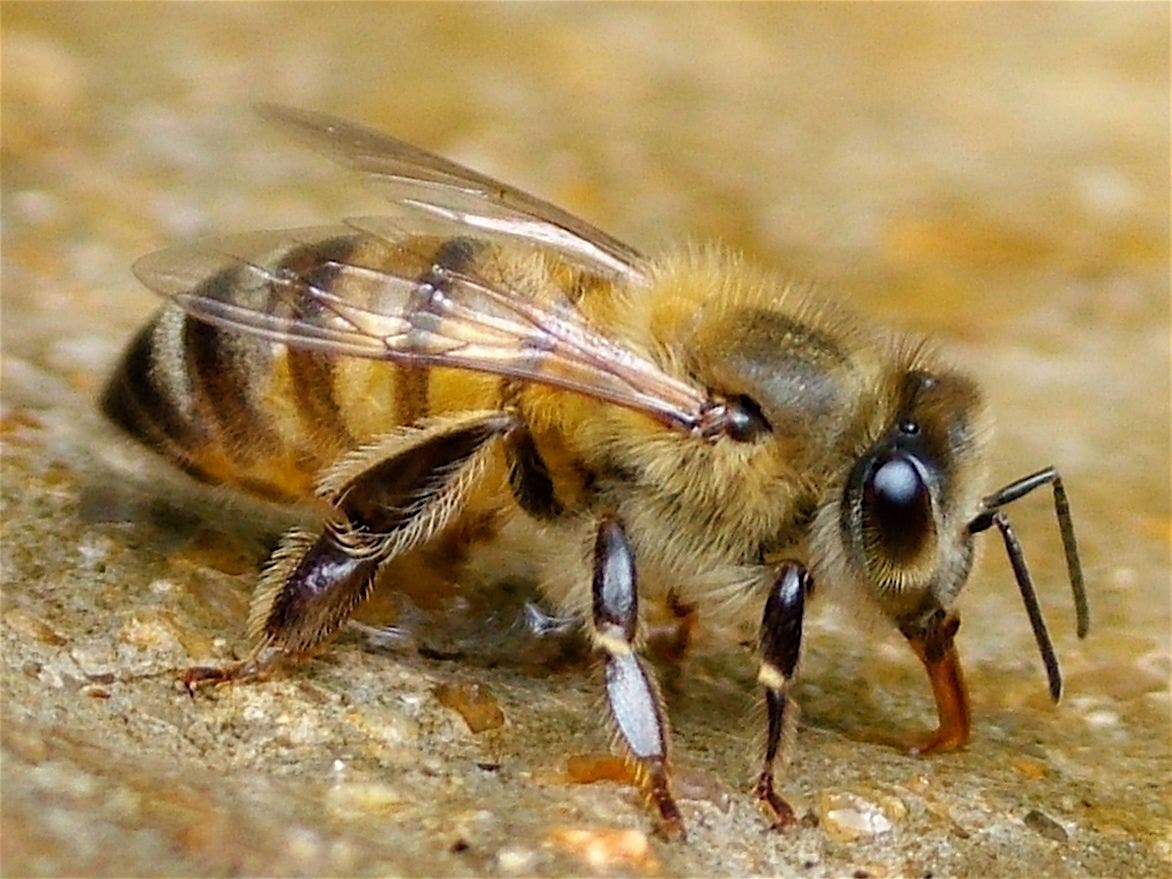
A Honey Bee is fuzzy, with muted browns and tans. The honeybee will sting when it perceives a threat to its hive. It will rarely sting while foraging unless someone steps on it or handles it roughly. When it does sting, it dies. A honeybee’s stinger is made of two barbed lancets. When the bee stings, it can’t pull the stinger back out. It leaves behind not only the stinger but also part of its digestive tract, plus muscles and nerves. This massive abdominal rupture is what kills the bee. Properly completing a honey bee nest removal may involve a bee keeper to remove the insect, a carpenter to dismantle or reassemble a wall, or ultimately a pest control company, such as HENNEBRY PEST SOLUTIONS LLC, to eradicate the insects if they cannot be removed from your home. Honey bees are pollinators, The destruction of honey bees should be a last resort.

Find out what's happening in Hackettstownfor free with the latest updates from Patch.
A Yellow Jacket (wasp) is shiny, yellow, and black striped. These are the pests that get into your soda can at your summer picnics. They love LABOR DAY outings! They sting and they don’t stop stinging. Their stingers do not detach upon stinging a person or a thing. Yellow jacket can sting multiple times. Each sting increases the amount of venom in your system and can cause a highly allergic reaction. These insects are attracted to human smell and sweat, dark colored clothing, perfumes, and other fragrances. Yellow Jackets are known to take over a paper wasp nest if the nest is abandoned. They will hover around and make it their home. Threatening their nests will send them into a stinging frenzy your do not want to be part of!

Find out what's happening in Hackettstownfor free with the latest updates from Patch.
The Bumble Bee is fuzzy all over and an important pollinator. They can be around in great numbers by mid- summer. The bumble bee lives in colonies and will sting if their nest or entrance to their nest is threatened. Only worker and queen bumble bees possess stingers. The bumble bee does not lose its unbarbed stinger when it stings. This is why this bee can sting as many times as it wants. Unlike the honeybee, the bumble bee does not die after stinging. This is because the bumble bee does not have barbs on its stinger. It can actually sting as many times as it wants. The bumble bee cannot drill or dig. Compared to the honey bee, the bumble bee is less aggressive. Usually, they never attack people at all, unless they feel threatened. If a nest is threatened, you can be sure you will be stung repeatedly! If you see a couple of bumble bees in your vicinity, do not wave your arms about wildly! Just stand still. Once they smell that you’re not a flower with nectar and pollen, they will move away gently.

Carpenter Bees are often mistaken for Bumble Bees. They are easily distinguished by their shiny black butt, instead of a fuzzy gold and brown butt like the Bumble Bee has. Carpenter bees bore into wood to make their nests. They are solitary bees, with each lady making her own nest. They are most common in Spring and can been seen drilling into their favorite wood all summer long. They will return year after year to the same location and can cause serious damage to wood siding, porches, decks, fencing, and soffits, if left untreated. Male Carpenter Bees do not have a stinger, therefore cannot sting. Female carpenter bees do have a stinger. They have to be extremely provoked in order for them to sting. They can inflict a very powerful and painful sting. You would need to do something extreme like grab it in your hand or poke it in order for it to sting. Otherwise, it will not sting. Females also do not die when they sting you as would other bees. Females usually stay around the nest they bore or pollinate.
WHAT’ S BUZZING YOU?
Call HENNEBRY PEST SOLUTIONS LLC for a FREE EVALUATION and ESTIMATE for all your
BUZZING problems!
DONT’T GET BUMBLED BY BEES!
www.hennebrypest.com 908-578-0726 philiphennebry@gmail.com