Neighbor News
Austin Rotter on Emotional Intelligence in Effective Leadership
Austin Rotter, a successful entrepreneur based in Hoboken, shares his expertise on how emotional intelligence in essential for leadership.

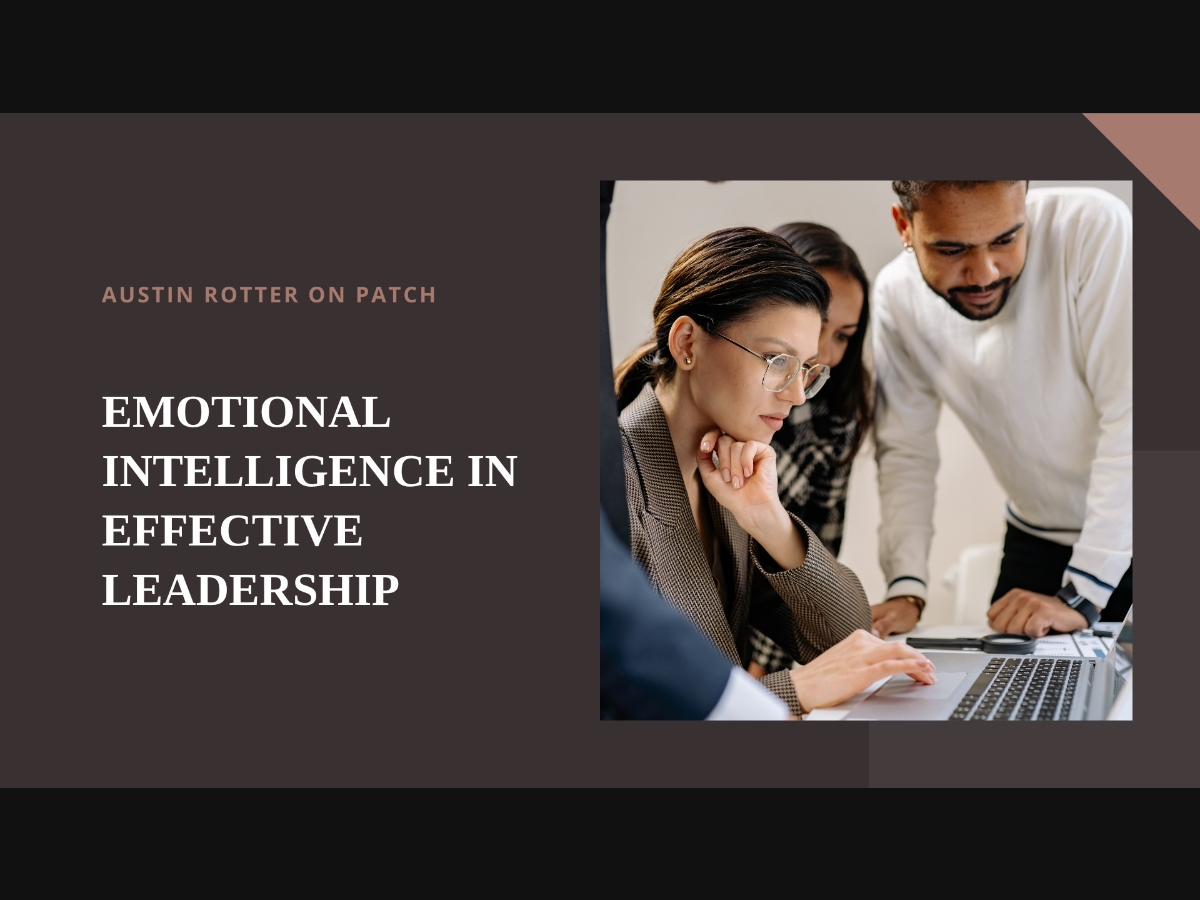
Leadership is complex and multifaceted, involving various skills, traits, and behaviors. While some believe good leadership is about being assertive, confident, and decisive, others argue that emotional intelligence is the key to effective leadership. Emotional intelligence (EI) refers to the ability to identify, understand, and manage one's emotions and those of others. Emotional intelligence is critical in effective leadership as it can help leaders to inspire, motivate, and engage their teams.
Emotional intelligence is the foundation of successful relationships. Leaders with high emotional intelligence levels can build a positive workplace that fosters trust, respect, and collaboration. Emotionally intelligent leaders are in touch wit their own emotions and how they impact others, and they can regulate their emotions to support their leadership goals. Moreover, emotionally intelligent leaders can recognize and respond to the feelings of others, which allows them to create strong relationships with their team members.
Inspire & Motivate Others
One of the critical benefits of emotional intelligence in leadership is the ability to inspire and motivate others. Emotionally intelligent leaders can connect with their team members on a personal level, enabling them to understand their needs, aspirations, and motivations. By doing so, they can tailor their leadership approach to the individual needs of their team members, which can help to boost their engagement and productivity. Emotionally intelligent leaders can also create a sense of purpose and meaning for their team members, which can help increase their understanding of satisfaction and fulfillment.
Find out what's happening in Hobokenfor free with the latest updates from Patch.
Effectively Manage Conflict
Another critical aspect of emotional intelligence in leadership is managing conflict and difficult situations. Leaders with high emotional intelligence can remain calm and composed under pressure, enabling them to make rational decisions and navigate complex problems. They can also empathize with others and understand their perspectives, which can help to de-escalate conflicts and find mutually beneficial solutions. Furthermore, emotionally intelligent leaders can communicate effectively, allowing them to express themselves clearly and listen actively to others, even in difficult situations.
Become a Leader in Innovation
Emotional intelligence is also closely linked to the ability to lead change and innovation. Emotionally intelligent leaders can adapt to changing circumstances and embrace new ideas, allowing them to stay ahead of the curve and drive innovation in their organizations. They can also inspire their team members to be creative and take risks, which can help generate new ideas and solutions. Emotionally intelligent leaders can also create a continuous learning and improvement culture, enabling their teams to stay competitive and adapt to new challenges.
Find out what's happening in Hobokenfor free with the latest updates from Patch.
Building a Strong Team
Finally, emotional intelligence is essential for building a solid and cohesive team. Emotional intelligent leaders create a sense of belonging and unity among their team members, which can help boost their morale and sense of engagement. They can also provide constructive feedback and support to their team members, enabling them to grow and develop professionally. Moreover, emotionally intelligent leaders can create a culture of openness and transparency, allowing their team members to communicate openly and share their ideas and concerns.
Emotional intelligence is a critical component of effective leadership, allowing leaders to construct a positive work environment. They can inspire and motivate their team members, manage conflict and difficult situations, lead change and innovation, and build a solid, cohesive team. While some people may view emotional intelligence as a soft skill, it is a crucial driver of business success. It enables leaders to create a culture of excellence, innovation, and growth. Therefore, leaders must invest in developing and incorporating emotional intelligence skills into their leadership approach.