Business & Tech
Hoboken Native Writes About Worst Day For Longshoreman Dad
Newspaperman Anthony DePalma, who grew up in Hoboken with a longshoreman dad, writes of his father's shrinking industry -- and then his own.


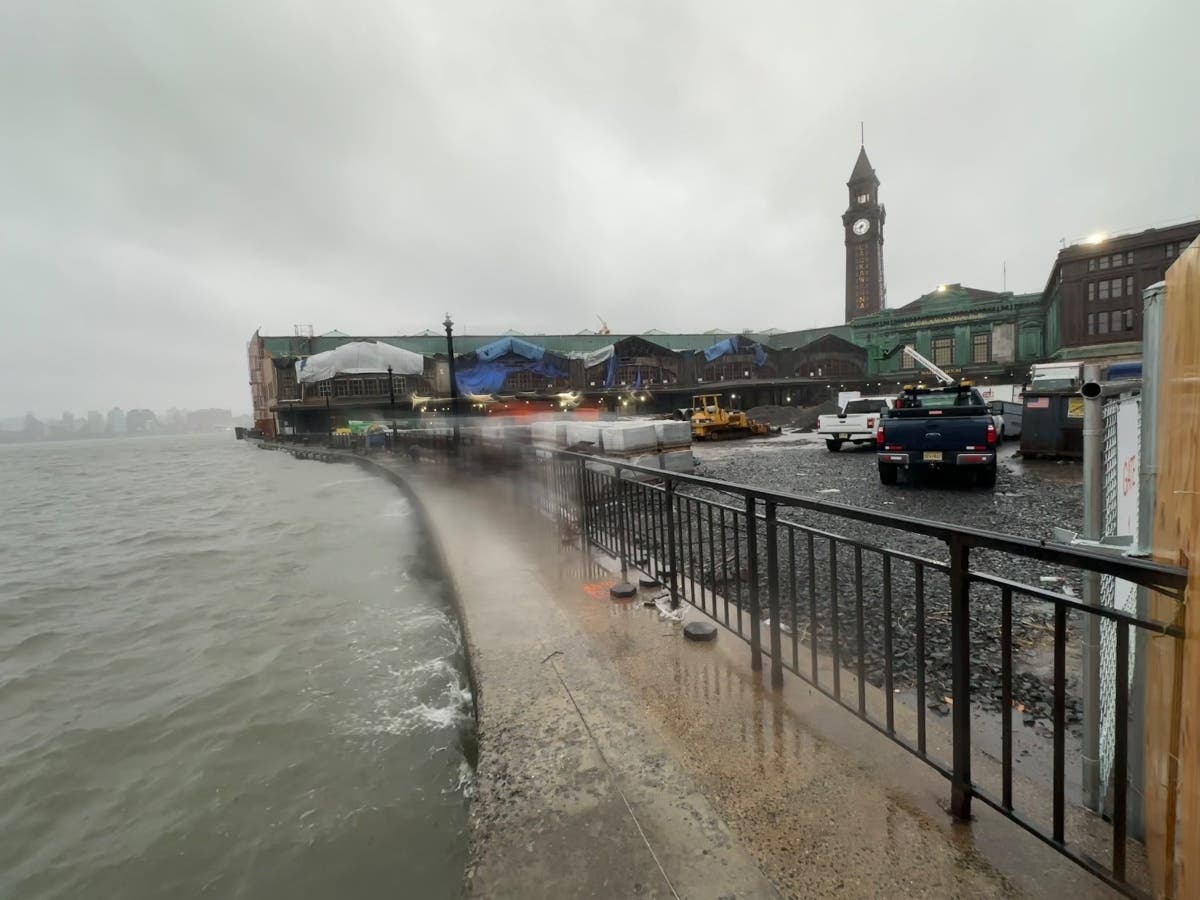
HOBOKEN — The end of big shipping on the Hoboken docks came swiftly, writes Anthony DePalma in a longform essay in the Nortre Dame alumni magazine this month.
DePalma, a successful writer for the New York Times, also writes about how his family didn't discourage him from newspaper work as a youth — even though it was different from what his father did every day as a longshoreman at Pier C (now a children's park). And the journalism industry has had to find ways to adapt to changing technology as well.
In his piece, found here, DePalma talks about how his father walked seven blocks to work every day at the piers, loading and unloading heavy goods and produce.
Find out what's happening in Hobokenfor free with the latest updates from Patch.
One day, "Dad stopped at the gate separating the waterfront from the rest of the city and stood directly beneath the large, metal sign marking the entrance to Pier C," DePalma writes. "He couldn’t get in because a big padlock held the gate shut tight.
"We later found out that, sometime after he’d finished working the previous Friday night, the shipping company had abruptly pulled out of Hoboken and shifted operations to the piers at Red Hook in Brooklyn ... From that day on, no oceangoing vessel would ever anchor at Pier C or any other Hoboken pier."
Find out what's happening in Hobokenfor free with the latest updates from Patch.
The advent of containerized shipping — with railroad car-like containers transported directly from train or truck to ship — meant that longshoremen were on the way out, and industry moved from Hoboken to larger ports.
The Hoboken waterfront languished for many years. It came back to life with recreational areas and residential development, whose scale was kept to a limit by successive waves of activists in town.
In his essay, DePalma also writes of the changes in the newspaper industry, as outlets were forced to find new models to continue sharing crucial information and telling stories. He says he still likes to spread out a print newspaper to read.
"The only way to deal with creative destruction is to adapt to it," he writes, "and the most important resources for doing so are resilience, flexibility and acceptance of the reality that change is inevitable."
Read more of DePalma's essay here. Comment below.
Got local news? Email caren.lissner@patch.com. To keep up with breaking news in Hoboken when it happens, and get a free local newsletter each morning, sign up for Patch breaking news alerts and daily newsletters.
Get more local news delivered straight to your inbox. Sign up for free Patch newsletters and alerts.