Politics & Government
Report: Hudson County Has Third-Most Homeless Residents In New Jersey
The total has fallen 40 percent since 2010; Read more eyebrow-raising trends here.


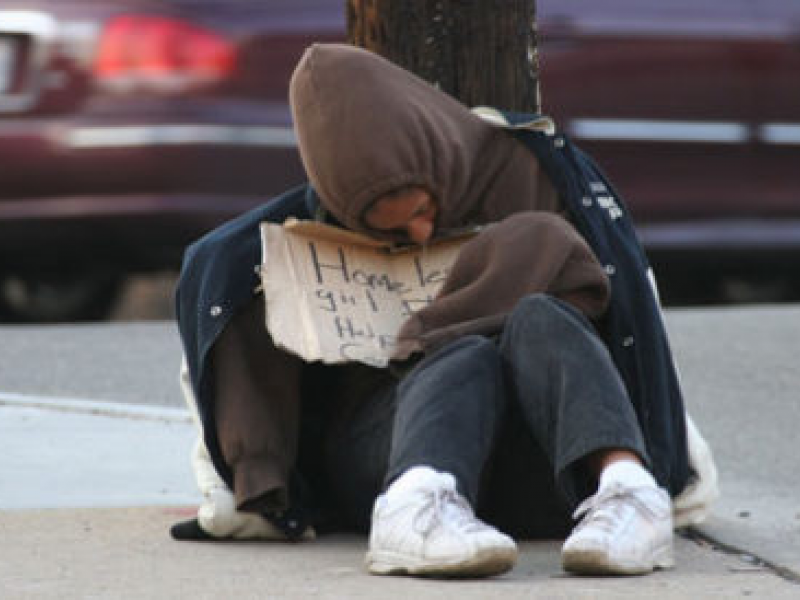
Hudson County may have the third-highest total of homeless residents in New Jersey.
There are about 917 homeless individuals living in the county – around 8.9 percent of the statewide total – according to the 2015 New Jersey Point-In-Time Count.
The total represents an 11.7 percent increase from last year.
Find out what's happening in Hobokenfor free with the latest updates from Patch.
Overall, the study counted 10,211 homeless individuals across New Jersey, a decrease of almost 14 percent from 2014.
The report is an annual effort to provide a snapshot that shows where people are finding shelter, what their needs are and what factors contribute to their homelessness, in addition to providing data about statewide trends.
Find out what's happening in Hobokenfor free with the latest updates from Patch.
Volunteers collected the data over a one-day period this winter, using information from the New Jersey Homeless Management Information System. In addition, surveyors visited places that local homeless populations are known to exist, such as parks, overpasses and train/bus stations.
The report - mandated by the U.S. Department of Housing and Urban Development – was funded by the New Jersey Housing and Mortgage Finance Agency and administered by Monarch Housing Associates of Cranford.
Read the full report online here.
IN HUDSON COUNTY
The 2015 report found that:
- Over the past five years, the homeless population in Hudson County has decreased by 40 percent
- About 17 percent of respondents in the survey said that their last permanent address was outside of Hudson County
- About 18.1 percent were children under the age of 18
- More than 46 percent of the respondents identified themselves as white; 45 percent identified as black or African-American, 35.6 percent identified as Hispanic, and 1 percent identified as Asian
- The most common reason for homelessness was a “loss or reduction of job income or benefits” (24 percent), followed by “being asked to leave a shared residence” (17.6 percent) and “eviction” (13 percent)
Send news tips to eric.kiefer@patch.com
Get more local news delivered straight to your inbox. Sign up for free Patch newsletters and alerts.