Health & Fitness
Appendicitis - When it’s more than a total pain
Appendicitis can quickly escalate into a surgical emergency. Know the signs and see your family doctor immediately if you suspect you may be suffering from this condition.

By Ayotunde Adeyeri, MD
Appendicitis is a medical emergency resulting from an inflammation of the appendix, a small pouch attached to the large intestine. This part of the body serves no useful purpose in the adult patient other than to cause significant pain should it become inflamed. In the worst case scenario (usually as a result of misdiagnosis or the patient not seeking prompt medical attention) it can rupture and spew infection throughout the abdominal cavity. Recognizing early symptoms can help offset this complication and significantly speed up recovery time. Keep in mind—an inflamed appendix is not going to “get better” nor is the pain going to dissipate.
Know the warning signs and take action
Find out what's happening in Holmdel-Hazletfor free with the latest updates from Patch.
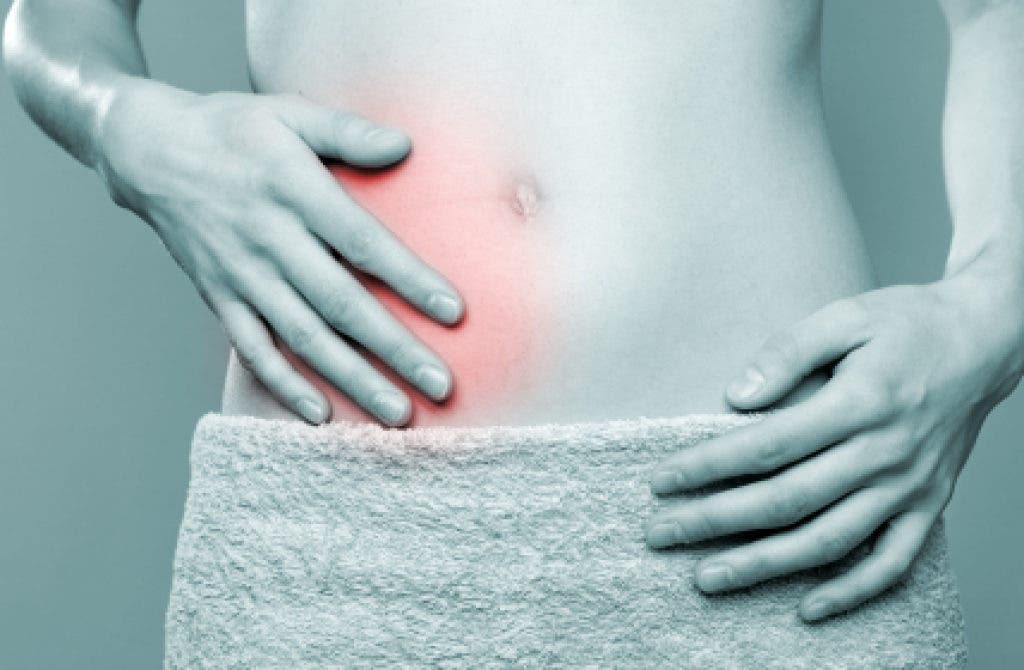
Appendicitis can affect anyone, although it is most common among people between the ages of 10-30. Often, early symptoms are mistaken for a stomach cramp, indigestion or the need to have a bowel movement. The most common symptom of appendicitis is severe pain in the abdomen, usually localized on the right side. Most often, the pain is sudden and worsens over a period of 12 to 18 hours. Additional symptoms can include:
- Swelling in the abdomen
- Loss of appetite
- Nausea and vomiting
- Constipation or diarrhea
- Inability to pass gas
- Low grade fever
Once appendicitis has been diagnosed by a doctor, an immediate appendectomy, surgical removal of the appendix, is required.
Find out what's happening in Holmdel-Hazletfor free with the latest updates from Patch.
The good news - minimally invasive appendix removal
There are two surgical methods used to remove the appendix. The traditional method is called a laparotomy. In this procedure, the appendix is removed through a single incision in the abdomen, about two to four inches long. But the newer minimally invasive surgery used in the majority of cases today, laparoscopic appendectomy, uses only three tiny incisions through which tiny surgical instruments and a miniaturized camera are inserted to remove the appendix. Although not appropriate in all cases, laparoscopic surgery is usually the preferred method for several important reasons ─ fewer complications, less blood loss, lower risk of infection, shorter recovery time and less scarring.
There are rarely surgical complications when undergoing an appendectomy so recovery time is relatively fast. With just a short hospital stay of a day or two, followed by two to four weeks of limited physical activity, you’ll be back to your regular routine in no time, and with only tiny scars remaining. If you or a loved one is faced with a laparoscropic surgery or general surgery operation, please feel free to contact me to discuss your case.
About Dr. Adeyeri
Dr. Adeyeri is a board certified, University of Rochester fellowship-trained advanced laparoscopic, bariatric and general surgeon. He is medical director at Sterling Surgicare; medical director of the Institute for Weight Loss, Raritan Bay Medical Center; and co-medical director at Central Jersey Bariatrics. Dr. Adeyeri is on staff at Raritan Bay Medical Center, CentraState Medical Center and Bayshore Community Hospital.
To schedule a surgical consultation at his office in Holmdel, Old Bridge or Freehold, call (732) 217 – 3897.