Schools
Summer School Loses Most Teachers, But Still Seen As On Course
Schools save money as children learn on the computer.

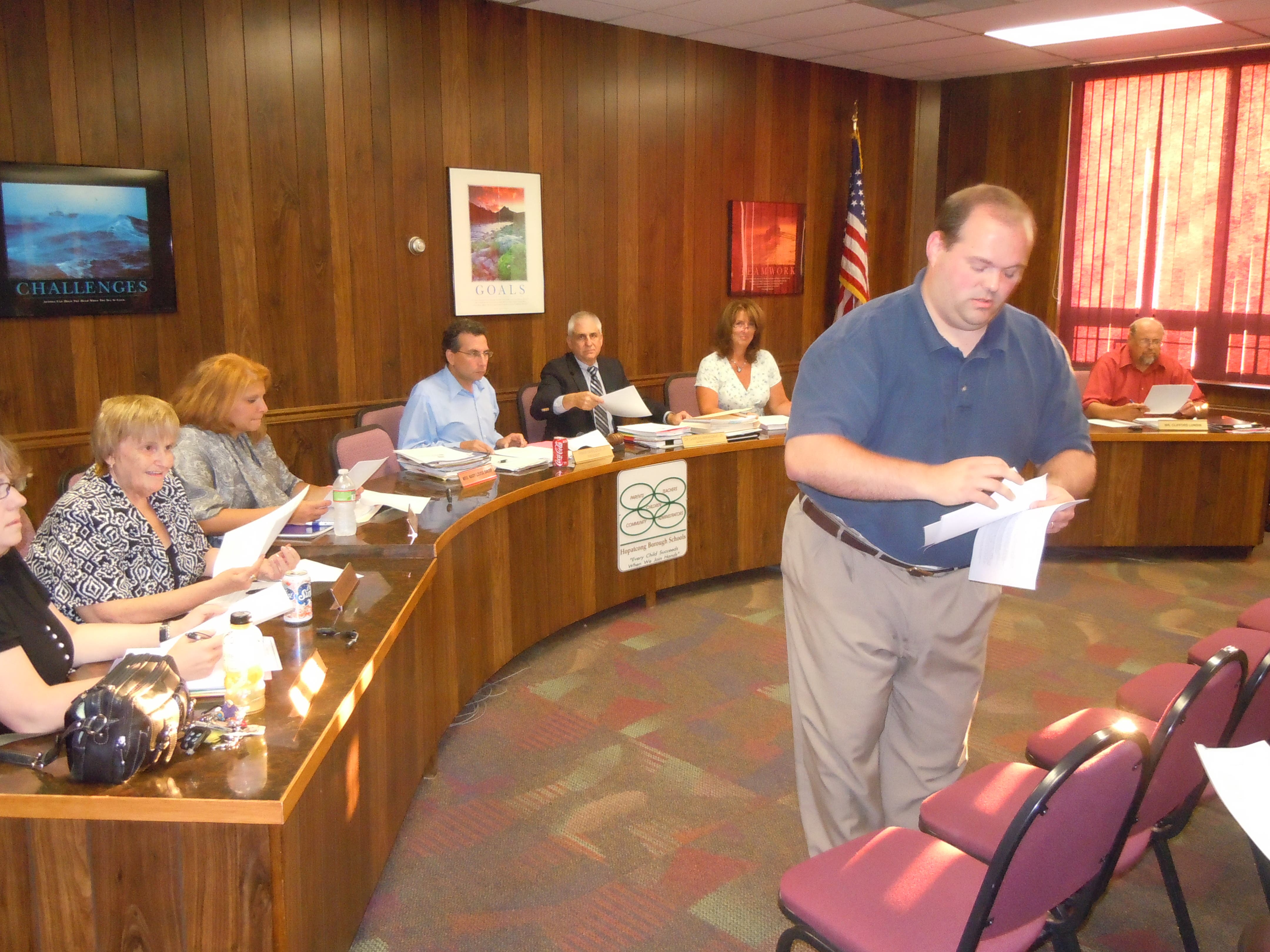
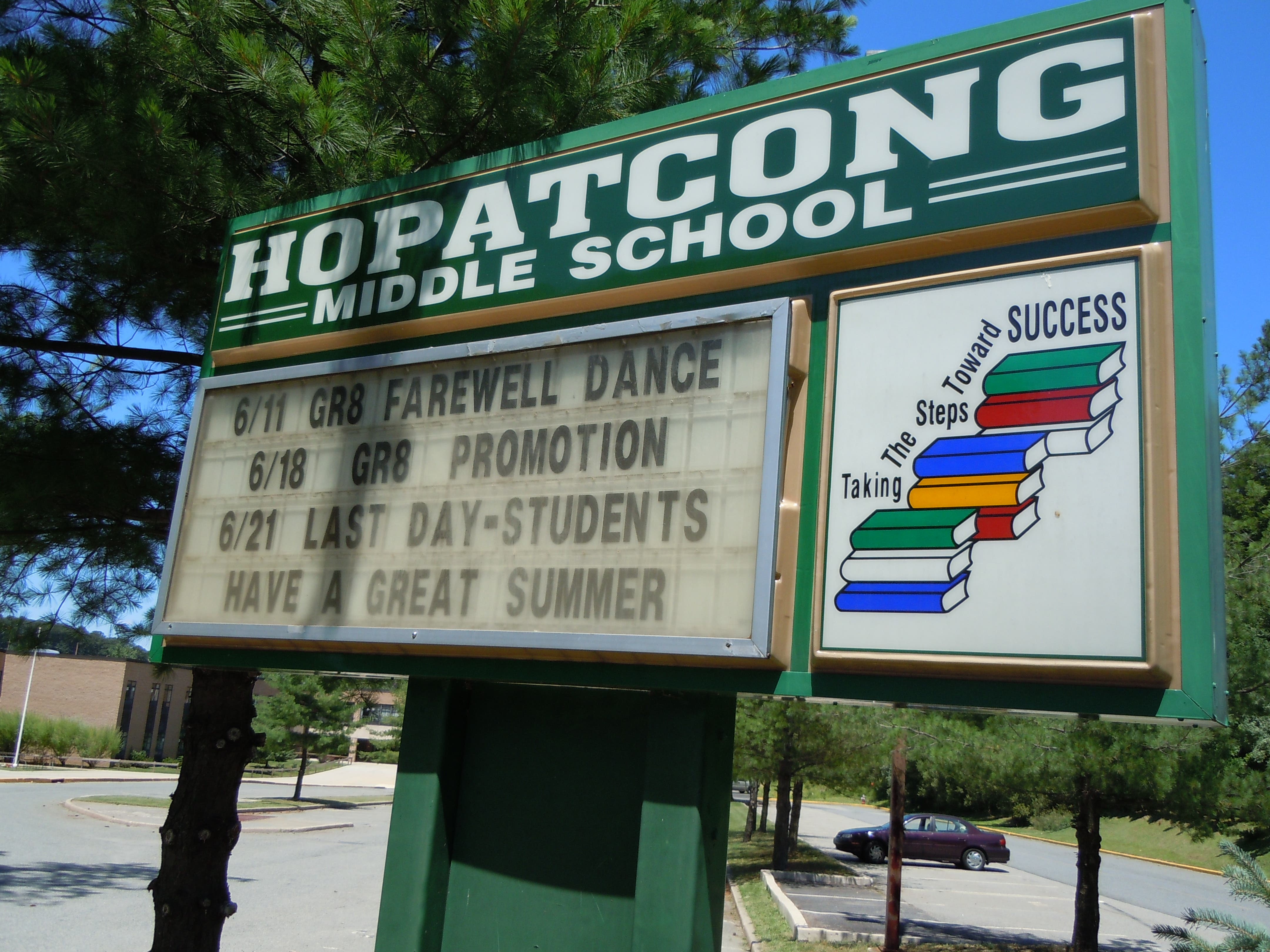
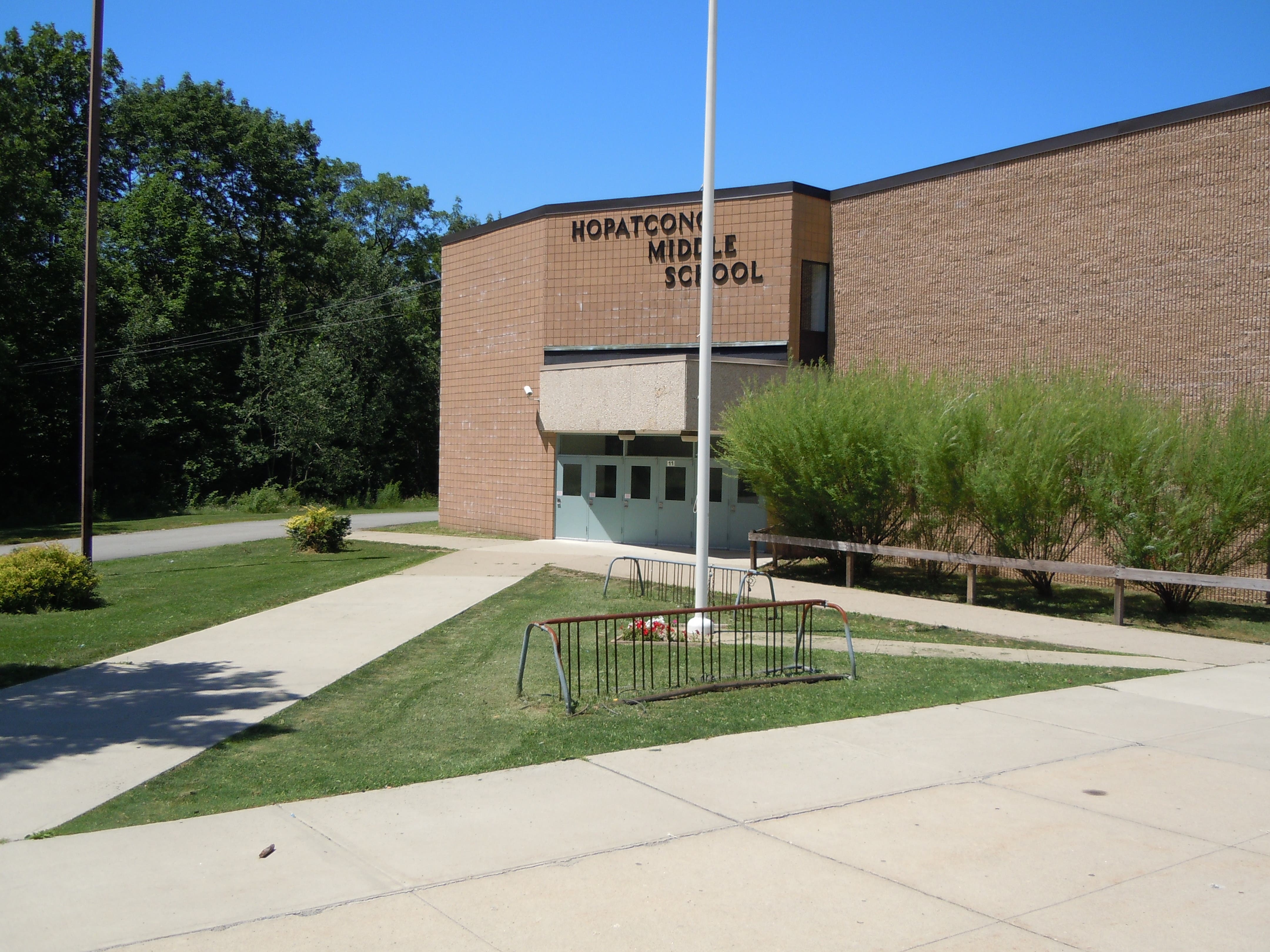
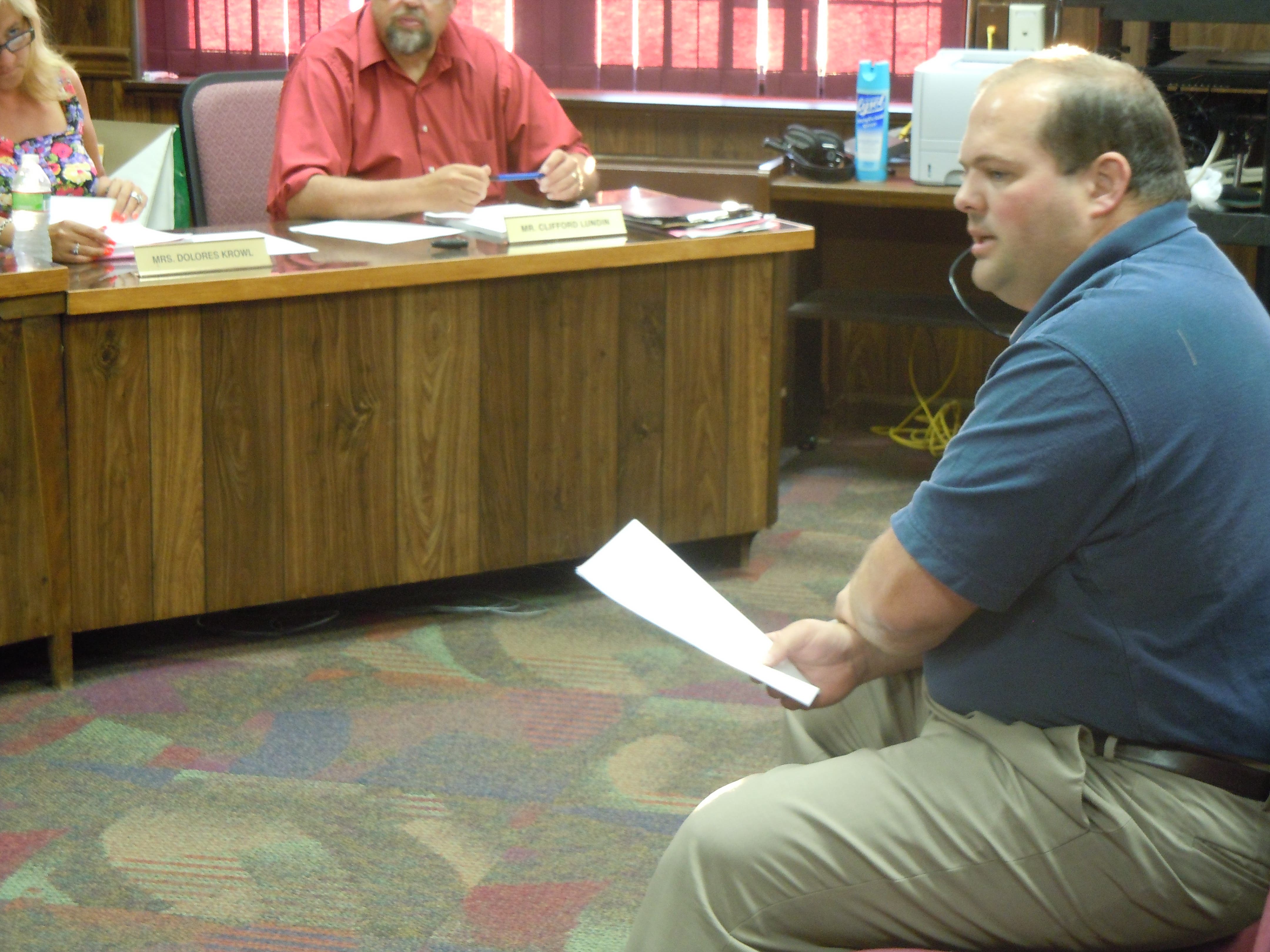
Hopatcong Middle School sliced two-thirds of its summer school teachers this year, virtually replacing them with high-tech educational software.
And, so far, curriculum supervisor Jeff Hallenbeck says, it seems like the right move.
"I don't think this is a one shot and done [move]," he said in his administration building office Wednesday.
Find out what's happening in Hopatcong-Spartafor free with the latest updates from Patch.
The school's summer program used to employ six instructors—one per grade and subject for sixth-, seventh- and eighth-graders in English and math—and cost approximately $14,000.
Now just two teachers—one for each subject—work for about $2,500 each, guiding children through Apex Learning software lessons for a total cost of about $8,000. Apex, according to its website, uses comprehensive, standards-based online courses.
Find out what's happening in Hopatcong-Spartafor free with the latest updates from Patch.
The program, which hosts about 20 students, began July 6.
William Roca, a curriculum supervisor and former Hopatcong teacher, said it lets kids focus on their problem areas.
"It provides a suggested course of study for that particular kid to improve their area of weakness," he said, later adding: "So you're being taught at your level, at your rate of comprehension.
"It lets you get a lot more done during the summer, aiming these kids at their own particular weaknesses."
Cutting costs was in the district's interest. The state cut $1.7 million of aid from Hopatcong this year, forcing massive restructuring and many layoffs.
Hallenbeck said this program's institution, however, wasn't a knee-jerk reaction to an aching budget.
"Every decision we make we try to look at and see if it's the best way to use the resources and the funds we have available," he said. "And based on the number of students we had in our summer school program, I didn't think I'd be able to justify being able to pay six teachers to come in and do summer school."
Hallenbeck also liked how it allows kids to learn at different paces.
"We can tailor skills instruction to specific areas of weakness for an individual kid," he said. "If I'm a kid who has a weakness, I can go to additional enhancement in [a subject], target skills that allow me to practice and increase my knowledge.
"[Kids] are saying it's an awful lot of work. The kids are saying it's a very challenging program, and we know it is. That's one of the reasons we selected it. But we can still offer a summer school program that's based on individual kids needs and help them get caught up to speed."
Officials say a decision whether to keep the program likely won't come until the spring. Hallenbeck thinks it'll stay.
"We don't expect to come out of it and say, 'Oh, this is horrible,'" he said. "We would have known that already. [But] we want to look at its effectiveness. How do the kids do in the upcoming school year? What are their grades? Do we have kids in summer school who need to repeat math again?
"We'll look at those things and see what we can do throughout the course of the year and see if this is the direction we want to move in. Certainly, technology helps to drive what we can do in terms of teaching."
Get more local news delivered straight to your inbox. Sign up for free Patch newsletters and alerts.