Crime & Safety
Howell Girl Hospitalized After Soccer Goal Tips Over: Police
The goal was not anchored, according to witnesses; safety groups urge adults to be aware and ensure goals are properly secured.


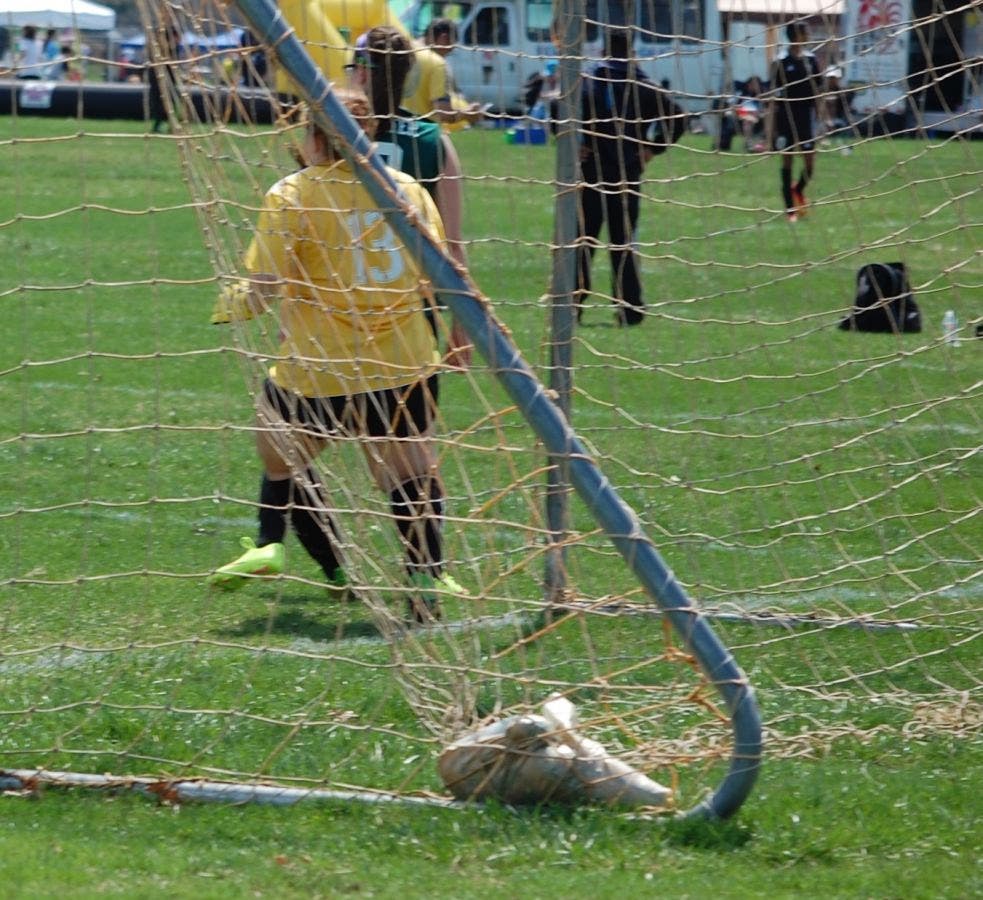
HOWELL, NJ — A Howell Township girl was hospitalized after a soccer goal tipped over onto her Wednesday evening at a Howell school, police confirmed Thursday.
The 6-year-old girl was taken to Jersey Shore University Medical Center, Neptune, with serious injuries after the incident, Howell Detective Sgt. Christian Antunez said. The goal hit the girl in the head, but she was expected to survive her injuries as of Thursday morning, Antunez said.
Witnesses at the scene said the incident, which happened at Howell Middle School North, happened while local teams were practicing at the middle school.
Find out what's happening in Howellfor free with the latest updates from Patch.
The wind had started picking up and witnesses heard a loud bang and saw the goal had fallen over, and the child had reportedly been playing on the net with a friend when the net tipped over.
The goal was not anchored, witnesses said.
Find out what's happening in Howellfor free with the latest updates from Patch.
Soccer parents and coaches were sharing reports of the incident on Facebook Thursday afternoon to raise awareness of the dangers posed by unanchored nets.
"This was a very scary moment and I am sharing this experience with all of you and ask you to share this post so possibly we cannot hear about something like this again," one man wrote.
The Anchored for Safety, which advocates for adults — parents, coaches and soccer officials — to be aware of the dangers of soccer goals that are not anchored, has documented 39 deaths and 57 injuries that have resulted from soccer goals that toppled over since 1979. The website was started by the family of Zachary Tran, a 6-year-old boy who died in 2003 when a soccer goal tipped over onto him.
Portable soccer goalposts have been in use for more than 35 years throughout the United States. They typically consist of the main crossbar and goalposts, with a frame to hold the net open. They weigh anywhere from 150 to 500 pounds.
The Consumer Product Safety Commission in 1995 issued guidelines for the use of portable soccer goals in the wake of numerous injuries caused by tipovers, saying an estimated 120 injuries involving falling goals were treated in U.S. hospital emergency rooms each year from 1989 through 1993.
"Many of the serious incidents occurred when the soccer goals tipped over onto the victim. Almost all of the goals involved in these tipovers appeared to be home-made by high school shop classes, custodial members, or local welders, not professionally manufactured. These home-made goals are often very heavy and unstable.
Portable soccer goals made by a number of manufacturers carry warnings to properly secure the goals to the ground with stakes, sandbags or both. In competition, checking to ensure goals are anchored is part of the duties outlined to referees certified by the New Jersey State Referee committee, an affiliate of the U.S. Soccer Federation.
There have been efforts to construct soccer goals that are tip-resistant, Anchored for Safety said, linking to ASTM International, an organization whose members across the country and the world set voluntary technical standards for a variety of products. A brief description of the standards defines tip-resistant goals as ones unlikely to tip over even if two 12-year-old boys were to swing from the crossbar.
Kwik-Goal, one of the top manufacturers of soccer goals in the United States, publishes a safety brochure on various ways to anchor soccer goals to ensure they cannot tip over, which include not only anchors that are semipermanent or are driven into the ground, but also portable weights that can be used to counterbalance the weight of the crossbar and posts.
The most important thing, all of the sites stress, is that the goals be anchored in some fashion and children be supervised around them. If sandbags are used, they need to be checked for tears to ensure they are not leaking sand. And goals that are not in use should be stored with the crossbar and posts face-down on the ground or padlocked face-to-face with another portable goal to prevent tipping, organizations say.
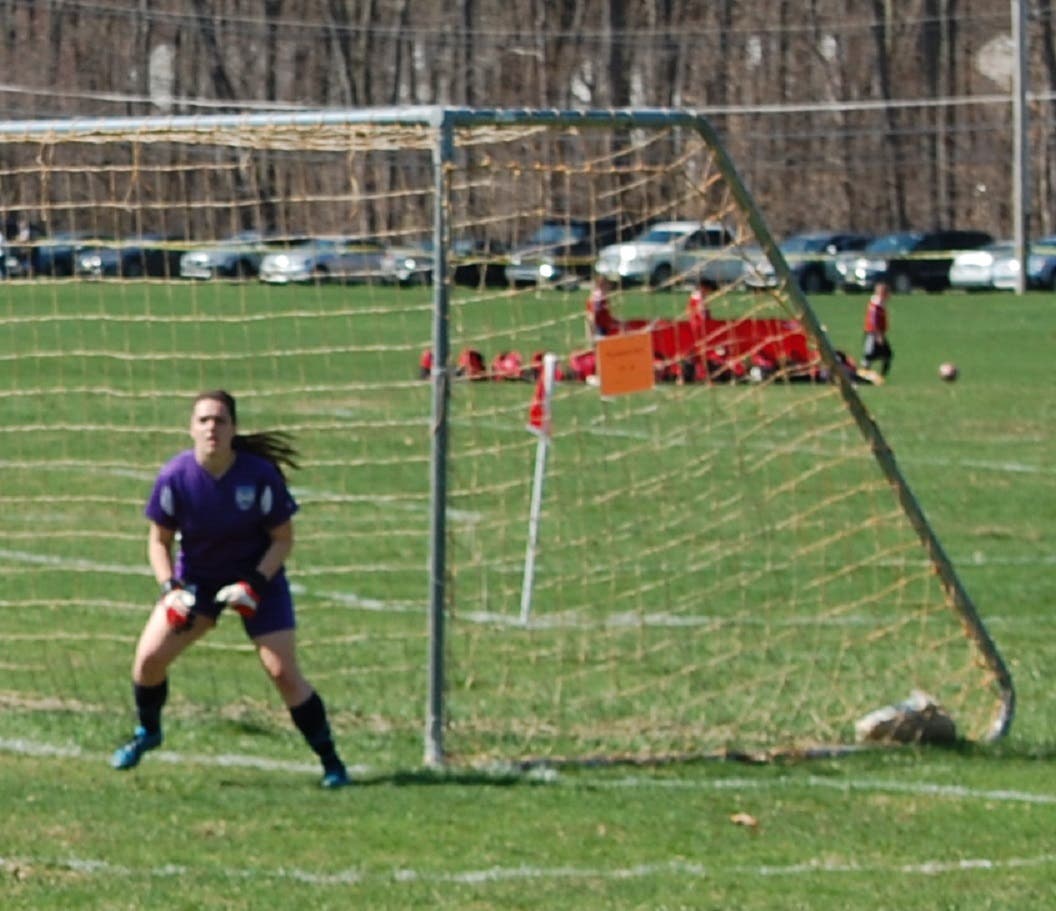
Top photo: Sandbags are a popular method of anchoring soccer goals to prevent tipping. Karen Wall photo
Get more local news delivered straight to your inbox. Sign up for free Patch newsletters and alerts.