Neighbor News
The World Since Hiroshima: Nuclear Peril and the Illusion of Control
Progressive Democrat Lisa McCormick condemned US nuclear doctrine and called for limits on presidential power to launch nuclear weapons
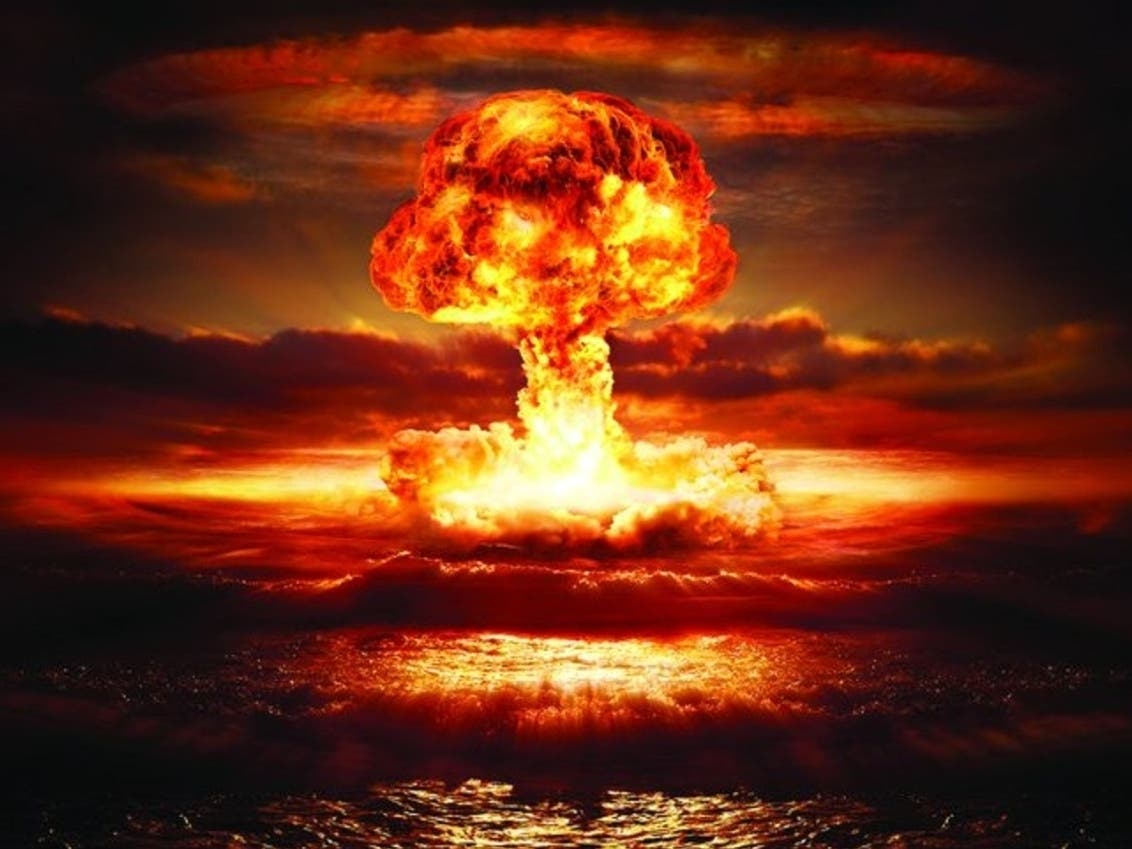
Eighty years after the first atomic bomb detonated over Hiroshima on August 6, 1945, the world remains haunted by the specter of nuclear annihilation.
The bombing, which killed an estimated 140,000 people by the end of that year, marked the dawn of an era in which humanity gained the power to destroy itself.
Since then, nuclear arsenals have grown, doctrines of deterrence have evolved, and existential risks have multiplied—yet the fundamental question of who should control these weapons remains unresolved.
Find out what's happening in Jersey Cityfor free with the latest updates from Patch.
Progressive Democrat Lisa McCormick condemned the doctrine of Mutually Assured Destruction (MAD) as "delusional madness," arguing that no single individual should hold the power to unleash a global catastrophe.
McCormick argued that "no one person should have the power to destroy the world," and she called for legislative checks on presidential authority to launch nuclear weapons, asserting that such a decision must not rest in the hands of one leader alone.
Find out what's happening in Jersey Cityfor free with the latest updates from Patch.

"The Constitution gives Congress the power to declare war," McCormick wrote. "The decision to launch nuclear weapons is effectively a declaration of war with consequences far beyond any conventional conflict. It should require deliberation, not unilateral action."
Her proposal echoes long-standing concerns among security experts and lawmakers about the risks of accidental or impulsive nuclear escalation. While the U.S. has safeguards in place, critics argue that the existing command structure leaves too much power concentrated in the presidency—a concern amplified by rising geopolitical tensions and the proliferation of advanced weapons technologies.
A Broader Landscape of Existential Risk
The debate over nuclear control comes amid growing warnings about other catastrophic threats. Philippe van Nederveld, a Belgian military strategist specializing in nuclear and biological defense, has cautioned that humanity faces a "perfect storm" of existential risks, from engineered pandemics to runaway artificial intelligence.
"The vast majority of humanity today seems blissfully unaware of the fact that we actually are in real danger," van Nederveld stated. He pointed to emerging technologies—such as nanotechnology-enabled weapons—that could soon place unprecedented destructive power in the hands of small groups or even individuals.
The Pentagon has long acknowledged these dangers.
In 1995, Admiral David E. Jeremiah warned that molecular manufacturing could disrupt global power dynamics more profoundly than nuclear weapons.
By the 2040s, van Nederveld predicts, a small team with modest resources could theoretically develop self-replicating nanoweapons capable of causing mass extinction.
The Myth of Nuclear Survival
Despite decades of civil defense planning, experts increasingly argue that large-scale nuclear war would be unsurvivable.
Declassified Cold War-era documents reveal elaborate—and often absurd—contingency plans for post-attack governance, including damage assessment divisions tasked with evaluating industrial capacity after societal collapse.
Modern studies suggest that even a limited nuclear exchange could trigger a "nuclear winter," collapsing global agriculture and endangering billions.
The Canberra Commission, a panel of international security experts, concluded in 1996 that public awareness of these risks would likely lead to widespread rejection of nuclear weapons altogether. Yet arsenals remain, sustained by deterrence theory and institutional inertia.
A Call for Change
As the 80th anniversary of Hiroshima and Nagasaki approaches, McCormick and like-minded advocates are urging a reevaluation of nuclear policies.
"The grim joke of Mutually Assured Destruction was never mutual, and rarely assured—but it was always destruction," McCormick said. "I urge Congress to pass a law that would require legislative authorization for a president to launch nuclear weapons unless the United States is under attack by a foreign adversary using comparable weapons of mass destruction."
The question remains whether the world will act to reduce these risks, or continue relying on a doctrine that treats annihilation as a strategic option.
For now, the bombs remain, the plans gather dust, and the Doomsday Clock ticks forward.