Schools
State Raises Concerns Over Rider's Sale Of Choir College
The attorney general's office issued an opinion with some additional questions about Rider's sale of Westminster Choir College this week.


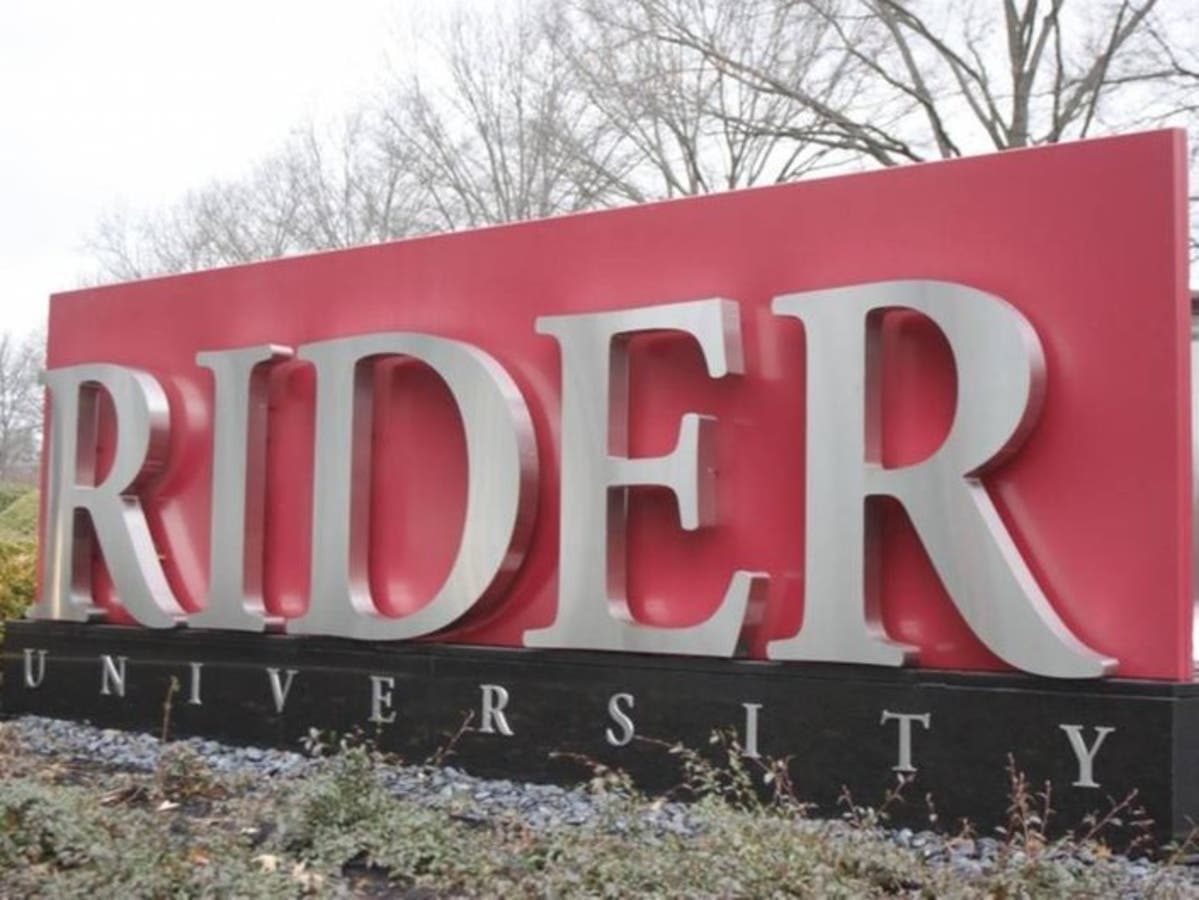
LAWRENCEVILLE, NJ - A review of Rider University’s proposed sale of Westminster Choir College to Kaiwen Education has raised some questions from the New Jersey Attorney General’s Office, according to a copy of the opinion released by the office on Wednesday.
Last year, Rider announced a Purchase and Sale Agreement (PSA) for the transfer of the college, including the Westminster Conservatory and Westminster Continuing Education. The sale was worth $40 million.
Following the announcement, the state attorney general’s office sent the university a list of 49 questions concerning the sale, according to a copy of the opinion that was provided to Patch.
Find out what's happening in Lawrencevillefor free with the latest updates from Patch.
The opinion was issued amid two lawsuits filed over the sale. One is by the Princeton Theological Seminary, and the other is by the Westminster Foundation, a group of faculty and alumni opposed to the sale.
Questions centered around the reasoning for the sale, how the sides arrived at the price, Rider’s efforts to sell the college to another education institution, why Rider would sell to a newly incorporated non-profit entity in New Jersey and steps Rider took to ensure Kaiwen would continue Westminster’s educational traditions and curriculum, among others.
Find out what's happening in Lawrencevillefor free with the latest updates from Patch.
At the time, Rider said Kaiwen committed to operating Westminster at the current Princeton campus for no less than 10 years. Read more here: Rider Agrees To Sell Westminster Choir College
However, the Westminster Foundation claim a stipulation in the contract circumvents that commitment. The portion it points to stipulates that Kaiwen may decide to discontinue those programs or close the college altogether if it determines in good faith that keeping the college open would "be substantially impracticable, economically infeasible or would substantially adversely affect WCC, its business, operations" and or Kaiwen.
Read more here: Group Claims Rider Deceived Public On Choir College Sale
The attorney general’s office also questioned what Rider would do with the money it makes off the sale and how the sale is in the best interests of the students and faculty.
The attorney general’s office claims that Rider didn’t respond to its questions for nearly six months, and when it did, it only answered two of the 49 questions. Rider provided heavily-redacted meeting minutes for the previous three years’ worth of Board of Trustees meetings, and a PSA that didn’t include requested schedules and exhibits, according to the attorney general’s office.
Rider told the attorney general’s office that if it provided details of the proposed transaction publicly, it would be put at a disadvantage if the sale failed to go through and it had to deal with another potential buyer.
After reaching an agreement to protect the details of the transaction, Rider responded to the balance of the questions. However, those responses were also heavily redacted without any reason given for the redactions. The redactions made it difficult for the attorney general’s office to review critical pieces of information.
On March 1, Rider provided a copy of the agreement to the attorney general’s office, and designated as “non confidential” some hard copies it had provided. Rider also said that it withheld some documents in their entirety, and the attorney general’s office insisted the university release a log stating why these documents were being withheld.
These documents included minutes of the Board of Trustees meetings, a real estate appraisal of the college and due diligence findings as to why Kaiwen is a suitable buyer.
Rider’s response also raised additional concerns, including about the transfer of a $19 million endowment fund to Kaiwen without any mechanism to preserve the donors’ intent that their gifts be restricted to certain uses, according to the attorney general’s office.
The state followed up with an additional 45 questions concerning the endowment fund, Rider’s intended use for the proceeds and the fair market value for the college. Once Rider responds to these questions, the attorney general’s office will decide if the sale should be fully approved, partially approved or rejected.
“The opinion says that the 1935 Trust that created the campus must continue to be used for the Choir College’s educational and religious mission or shift to the Princeton Theological Seminary under the terms of the 1935 Will of Sophia Strong Taylor,” Westminster Foundation attorney Bruce Afran said. “If the Court accepts the AG’s position, it will be impossible for Rider to sell the College to Kaiwen Education, Rider's designated Chinese government buyer, or to anyone other than a non-profit educational institution.”
“The issues raised in the letter do not come as a surprise as they are currently the subject of the pending litigations,” Rider said in a statement. “The university will carefully review the letter and respond to the claims and issues through the court proceedings. We look forward to the Superior Court of New Jersey resolving the issues in dispute after all the parties have had the opportunity to be heard.”
A court conference is scheduled for April 15, 2 p.m., in Trenton.
Get more local news delivered straight to your inbox. Sign up for free Patch newsletters and alerts.