Crime & Safety
PSEG Issues Warning In Essex County: Don't Use Gas Generators Near Your Home
Read a sad example of why this advice is important.


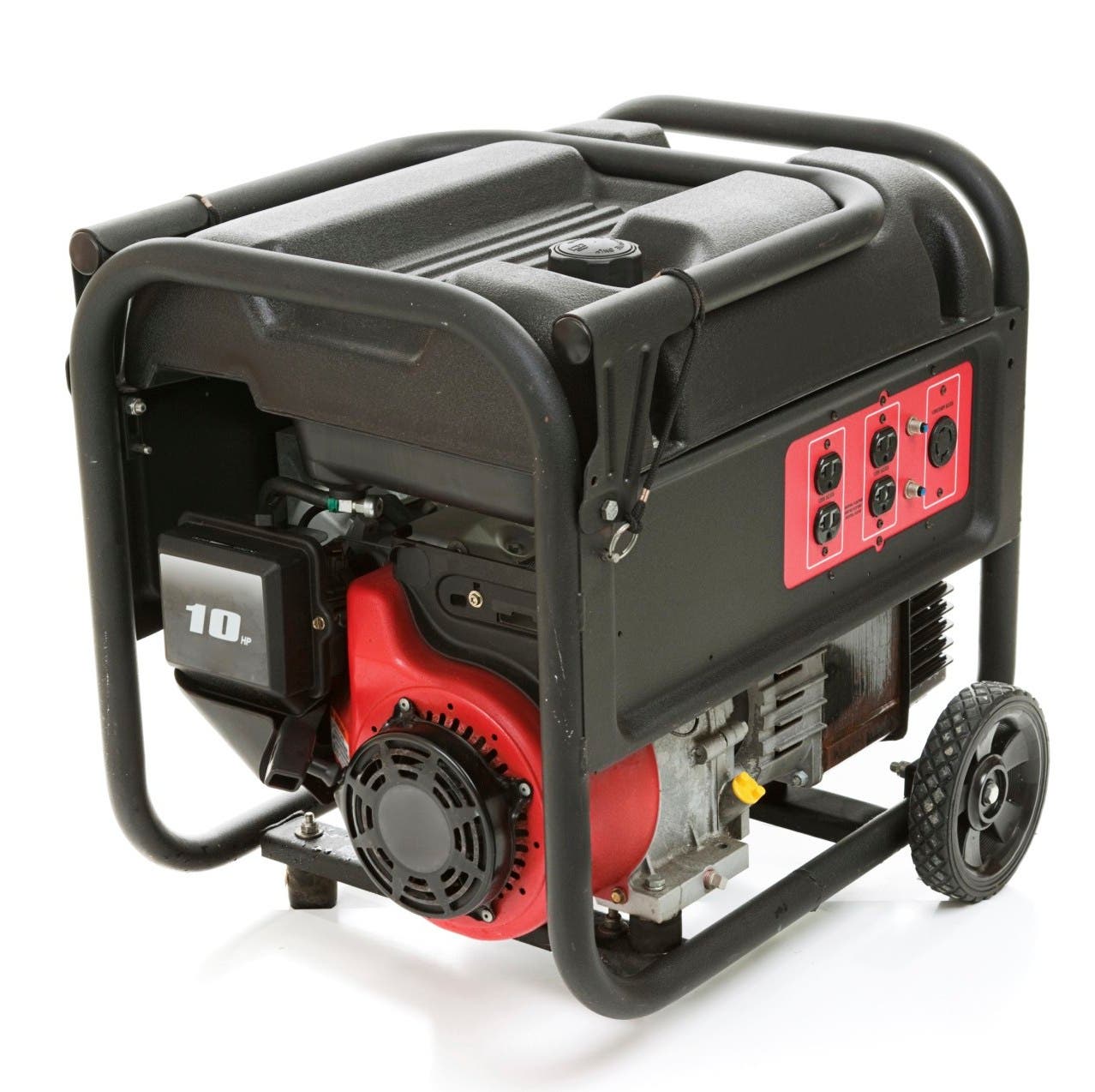
With summer blackout season approaching, PSE&G issued a cautionary warning to its customers on Thursday, reminding people to “never use a portable gas generator inside or near a home.”
The warning is especially important in the wake of the tragic deaths of a young Essex County mother and her seven-year-old daughter in April, who reportedly died from carbon monoxide poisoning from a gas generator. [See related Patch article]
“PSE&G urges customers never to use a portable electric generator inside of or in very near proximity of a home, business or any enclosed space,” the utility provider stated in a release. “Gas generators should be used with caution, following all safety and operational guidelines in order to prevent carbon monoxide poisoning, electric shock and fire.”
Find out what's happening in Livingstonfor free with the latest updates from Patch.
Portable generators should be used for emergency standby power only and for short periods of time, according to PSE&G. If it is necessary to use a standby generator, it should be installed and connected by an experienced person or a licensed electrician.
Here’s how to use a portable generator properly, according to PSE&G:
Find out what's happening in Livingstonfor free with the latest updates from Patch.
- A generator should only be used outside on stable ground and away from any windows and vents to prevent deadly fumes from entering the home through an opening.
- Do not use a generator in close proximity to an enclosed area, its placement could allow CO to enter and build up in occupied spaces.
- Make sure a generator has 3 to 4 feet of clear space on all sides and above it to ensure adequate ventilation.
- Do not connect a generator directly to home wiring. Power can flow out of your home into the electric system creating a hazard for utility crews working in the area. Home appliances must be connected to the portable generator via extension cords, unless the home is equipped with an electrician installed transfer switch.
- Never fill the generator with fuel while it is running or still hot, and don’t store gasoline inside of the home or in attached garage.
- Do not use all appliances at once. It may be necessary to turn off some appliances to avoid overload. And make sure any connected appliances are off before starting the generator.
Get more local news delivered straight to your inbox. Sign up for free Patch newsletters and alerts.