Long Valley, NJ|Local Classified|Other|
Green Team Supports Pollinator Week
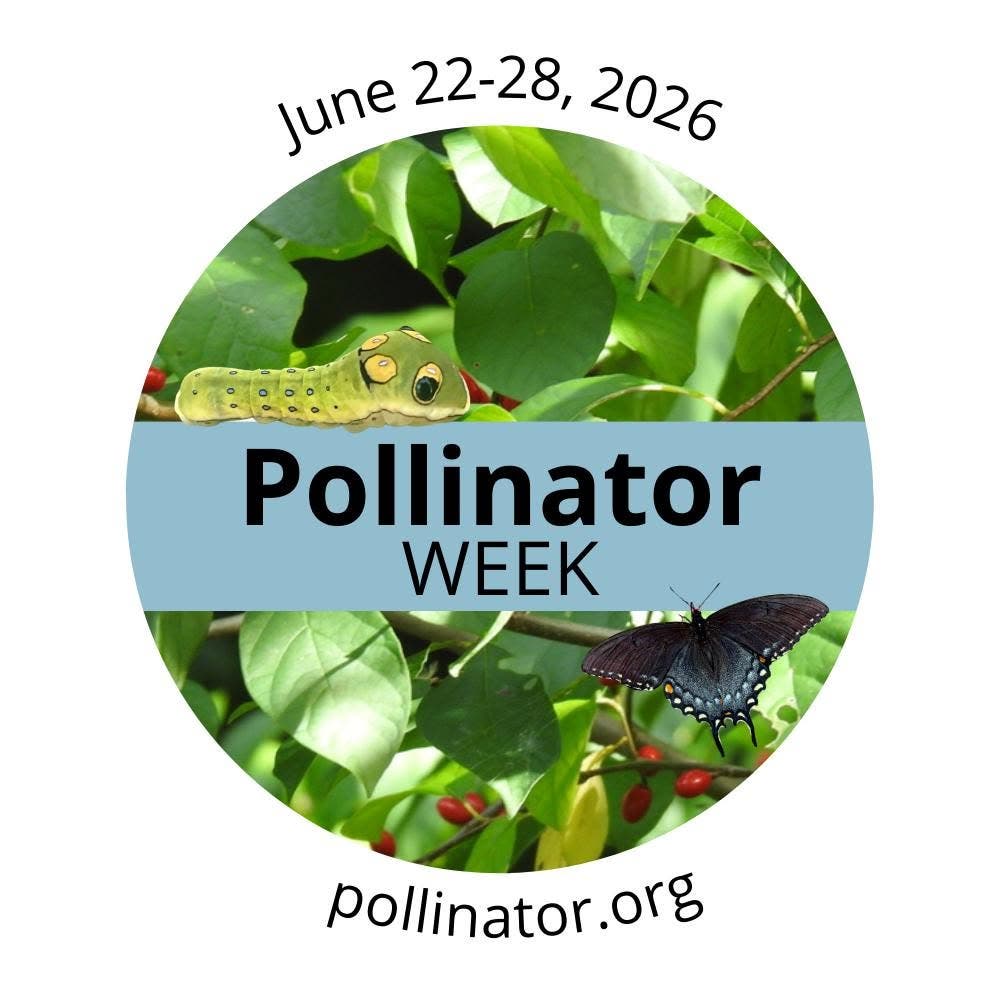
Pollinator Week is an annual event celebrated all over the world in the last full week in June, from June 22 to June 28 this year. The event was started in support of pollinator health. Pollinators are insects and small animals like birds, butterflies, and bees that pollinate plants and make our gardens and world greener. During this week, nature lovers and conscious citizens come together to celebrate pollinators and raise awareness about different ways in which they can be protected.
History:
National Pollinator Week was started and is managed by the Pollinator Partnership. The first National Pollinator Week was observed in 2017 in America after the Senate’s unanimous approval that acknowledged the week as a necessary step in raising awareness of the urgent issue of declining pollinator populations. Unfortunately, around 40% of invertebrate pollinator species, especially bees and butterflies, face the danger of going extinct. Rising temperatures, scarcity of habitats, and increased human activities threaten the existence of these friendly animals. Today, the week is observed as an international celebration to protect the ecosystems that sustain pollinators like bees, birds, butterflies, bats, and beetles.
Why Pollinators are Critical:
Birds, bats, bees, butterflies, beetles, and other small mammals that pollinate plants are responsible for bringing us one out of every three bites of food. They also sustain our ecosystems and produce our natural resources by helping plants reproduce. Pollinating animals travel from plant to plant carrying pollen on their bodies in a vital interaction that allows the transfer of genetic material critical to the reproductive system of most flowering plants – the very plants that bring us countless fruits, vegetables, and nuts along with ½ of the world’s oils, fibers and raw materials. This nearly invisible ecosystem service is a precious resource that requires attention and support - - and in disturbing evidence found around the globe, is increasingly in jeopardy.
What you can do to help:
·Provide habitat for pollinators by planting an at-home pollinator garden. This can be accomplished by planting native flowers that bloom at different times. Nectar-rich flowers attract both insect pollinators and hummingbirds.
·Offer pollinators a drink by placing a shallow dish of water on your deck or window sill to help thirsty pollinators stay hydrated. By placing several semi-submerged stones in the water dish, you can provide pollinators with places to land so they can drink without running the risk of drowning.
·Leave the leaves. Dead leaves and plant material are food and shelter for pollinators in the winter. Resist the urge to rake your leaves in the fall and let them support pollinators throughout the winter season.
·Limit the use of pesticides. Before using a pesticide, ask yourself: Are flowers in bloom or are pollinators active during the pesticide application? Are there alternatives to using the pesticide? Am I applying the pesticide according to the instructions? Remember, pollinators can be harmed if they consume nectar or pollen that has come into contact with pesticides. You can also help reduce the risk of exposure by applying pesticides at night when pollinators are inactive.