Schools
State Aid for Washington Twp., West Morris School Districts Announced
Both districts have teachers working without contracts in 2014-15.


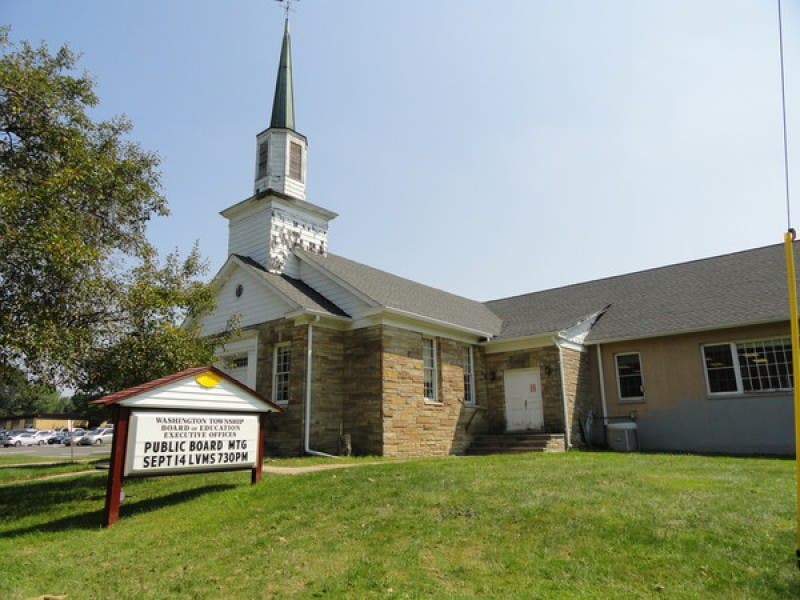
The good news is Washington Township and West Morris Regional school districts won’t lose any state aid for the 2015-2016 school year.
The bad news is they won’t gain any, either.
In what has become the expected norm during Governor Chris Christie’s term in office, state aid remained flat for both districts, as announced by the Department of Education after last week’s budget address.
Find out what's happening in Long Valleyfor free with the latest updates from Patch.
The total aid to the Washington Township School District came in at $8,042,922, while West Morris Regional High School District received $4,425,501.
And while no district in the state lost aid, the overall budget for New Jersey’s 595 school districts increased by $5,204,365, an average of $8,746.83 per school district. Overall, the $5.2 million bump is just .06-percent increase year-over-year in the $7,960,011,347 statewide budget.
Find out what's happening in Long Valleyfor free with the latest updates from Patch.
In Morris County, just five school districts saw an increase in state aid: Boonton; Butler; Morris Hills Regional; Netcong; and Pequannock. It was Morris Hills Regional that claimed a veritable windfall, seeing an increase of $262,086. The other 34 districts in the county remained flat.
The aid comes with a specific line item to address the added costs for the contentious PARCC testing in all New Jersey districts, with the K-8 district receiving $22,680, and the regional district receiving $28,030. While those line items help to fund the technology needed to conduct the PARCC testing, those numbers aren’t in addition to last year’s total figure; rather, they’re just part of the same package year-over-year.
At the same time, both districts currently have teacher’s unions that are working without contracts.
Each school district in New Jersey is tasked with keeping its year-over-year budget under a 2-percent tax levy cap increase, not including health and pension payments. Since the law was signed into action in 2010, neither school district has exceeded the cap. If a district does exceed the cap for any reason, the public is given the opportunity to vote on passing or denying the spending plan.
Subscribe to Long Valley Patch’s free daily newsletter for more local news, and breaking news alerts delivered to your inbox, by clicking here.
Get more local news delivered straight to your inbox. Sign up for free Patch newsletters and alerts.