Community Corner
How to Defend Against the NJ State Bird — The Mosquito
But seriously, folks, this fall you must remain vigilant in preventing mosquito breeding and combatting West Nile virus.

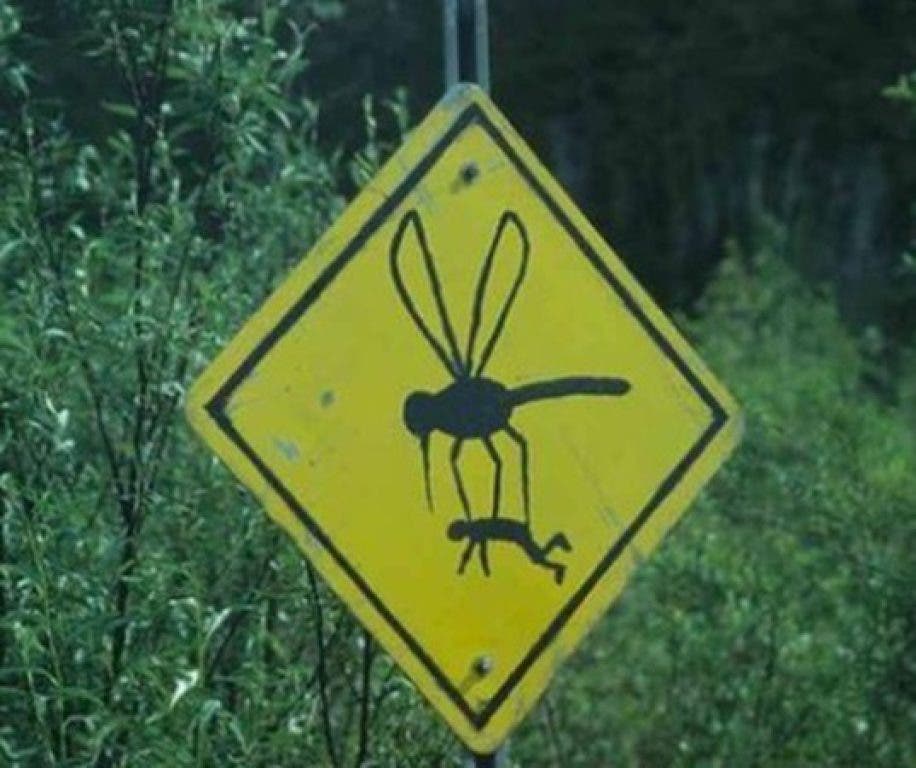

Yesterday, the NJ Department of Environmental Protection sent out one of those scary press releases — you know the type, the ones warning residents of an impending health concern, complete with mortality information.
This one was about mosquitoes.
And, while we don't want to alarm readers unnecessarily, the DEP is right. You need to be prepared and take precautions to protect yourself, your family and your neighbors from mosquito-borne West Nile virus.
Little did we now, but late summer and early fall are typically the most critical times of the year to maintain awareness for mosquito remediation and signs of West Nile virus from mosquito bites.
Find out what's happening in Maplewoodfor free with the latest updates from Patch.
Why?
Folks tend to stop thinking about mosquitoes with summer over, but, in actuality, mosquito activity can continue until late October. Mosquitoes also can be more active throughout the entire day at this time of year.
In addition, we are all still recovering from two big, nasty visitors named Irene and Lee, who came, saw, conquered and left a big, wet mess. Many areas of New Jersey are still saturated as a result of excessive rainfall — and those wet areas serve as breeding grounds for mosquitoes.
In response, the DEP reports that the state has stepped up air surveillance of potential mosquito breeding grounds and aircraft pesticide applications to proactively reduce the threat of impacts to people. The state also has been working closely with county mosquito control programs to help them identify and respond to mosquito outbreaks in a timely manner.
"Given the record rainfall and large amounts of standing water, it is extremely important that residents follow personal protective measures, including using insect repellent when outdoors, limiting time outdoors when mosquitoes are most active, and wearing protective clothing during these hours," said DHSS Acting Commissioner Dr. Tina Tan.
Find out what's happening in Maplewoodfor free with the latest updates from Patch.
Now it's time to give you the scary numbers:
DHSS has identified four human cases of West Nile virus so far this year, with no fatalities. They were in Mercer, Middlesex, Morris and Ocean counties. The Morris County exposure to West Nile virus occurred outside of New Jersey. DHSS also reported that 25 birds have died from confirmed cases of West Nile virus in Gloucester, Monmouth, Morris, Ocean, Somerset and Warren counties.
Last year, there were 30 human case of West Nile virus in New Jersey, including two deaths.
"Fortunately confirmed cases of West Nile virus in New Jersey remain low this year," said Bob Kent, Administrator of the DEP's Office of Mosquito Control Coordination. "Still, it is prudent to take steps around your own home to keep mosquito populations — and health risks — in check."
The DEP offers the following tips on limiting mosquitoes on your property:
- Dispose of tin cans, plastic containers, ceramic pots or similar water-holding containers that have accumulated on your property.
- Pay special attention to discarded tires that may have accumulated. The used tire has become the most important domestic mosquito producer in this country.
- Drill holes in the bottom and elevate recycling containers that are left out of doors.
- Clean clogged roof gutters on an annual basis, particularly if the leaves from surrounding trees have a tendency to plug up the drains. Roof gutters are easily overlooked but can produce millions of mosquitoes each season.
- Turn over plastic wading pools when not in use. A wading pool becomes a mosquito producer if it is not used on a regular basis.
- Turn over wheelbarrows and do not allow water to stagnate in bird baths.
- Aerate ornamental pools or stock them with fish. Water gardens are fashionable but become major mosquito producers if they are allowed to stagnate.
- Clean and chlorinate swimming pools that are not being used. A swimming pool that is left untended can produce enough mosquitoes to result in neighborhood-wide complaints. Be aware mosquitoes may even breed in the water that collects on pool covers.
- Use landscaping to eliminate standing water that collects on your property. Mosquitoes will develop in any puddle that lasts more than four days.
- Maintain mechanical barriers, such as window and door screens, to prevent mosquitoes from entering buildings. Barriers over rain barrels or cistern and septic pipes will deny female mosquitoes the opportunity to lay eggs on water.
- If you have problems controlling mosquitoes, contact your county mosquito control agency by calling 888-666-5968.
For more DEP information visit: www.nj.gov/dep/mosquito
Visit the State Department of Health and Senior Services: www.state.nj.us/health/cd/westnile
Get more local news delivered straight to your inbox. Sign up for free Patch newsletters and alerts.