Health & Fitness
Clinging Jellyfish With Toxic Sting Now 'Multiplying' In New Jersey [VIDEO]
Clinging jellyfish with toxic stings that have already hospitalized one N.J. resident are now multiplying in New Jersey, experts say.


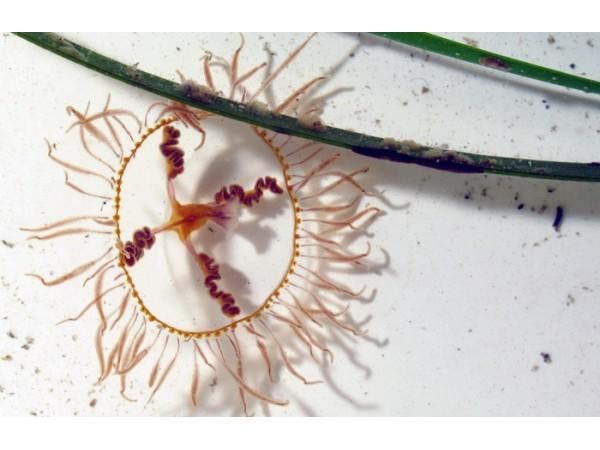
Clinging jellyfish are multiplying in New Jersey, and experts say they're posing an expanding threat in the state.
Experts say the jellyfish may have arrived here via ship, and some areas of the Jersey Shore "have a lot of these individuals," Paul Bologna, a marine biologist at Montclair State University, told 6abc.
The Department of Environmental Protection said it planned to announce the next steps Thursday in determining reach and scope of the jellyfish.
Find out what's happening in Middletownfor free with the latest updates from Patch.
Emily Sgro was one of the first to notice them in the Shrewsbury River in Monmouth Beach, telling 6abc, "We saw one of them, and I figured we should get that out of the water as soon as possible. Then we found about five or 10 more in the area, then after that found about 50 within a half hour."
All, however, have been found in rivers and bays. Clinging jellyfish don't like the rough waters of the ocean and gravitate toward these calm, back bay waters, Bologna told 6abc.
Find out what's happening in Middletownfor free with the latest updates from Patch.
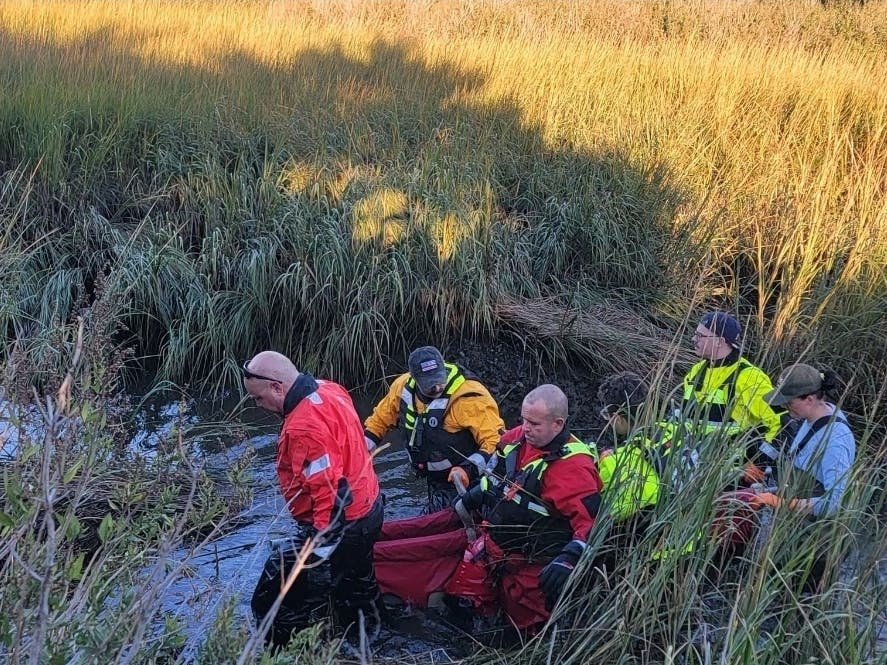
Bologna was in Monmouth Beach Tuesday to gather specimens from a Columbus Drive dock in the Shrewsbury River after the Asbury Park Press reported that over the weekend boaters happened upon a cluster of the jellyfish.
A New Jersey man was hospitalized last week with a "toxic sting" from a dangerous clinging jellyfish just as more were found at the shore. The Middletown man was stung in Oceanport and was hospitalized soon after, according to Monmouth Beach officials.
Three weeks ago, a clinging jellyfish was discovered in the north end of the Barnegat Bay near Brick and Point Pleasant Boro, according to News12.
Josh Hart captured a dime-sized jellyfish while fishing in the Barnegat Bay just south of Point Pleasant Inlet and brought it to the Jenkinson's Aquarium, according to NBC Philadelphia.
The clinging jellyfish is native to the Pacific Ocean and has recently been uncovered in New Jersey waters as well as in Massachusetts and in waters off New York and New Hampshire. Clinging jellyfish hang on to eelgrass or seaweed and usually remain in deep water during the day and surface at night to feed.
The jellyfish's worst possible danger to humans is stinging somebody and causing kidney failure. At the very least, it could easily send somebody to the hospital. The Woods Hole Oceanographic Institution says the sting of the jellyfish could feel as sharp as hypodermic needles.
MUST WATCH: @montclairstateu studies clinging jellyfish found in Monmouth Beach pic.twitter.com/gxznyLfUcH
— Asbury Park Press (@AsburyParkPress) June 23, 2016
Get more local news delivered straight to your inbox. Sign up for free Patch newsletters and alerts.