Politics & Government
Republican Monmouth County Freeholders Oppose Trump's NJ Drilling
Republicans and Democrats unite in fighting Trump's proposal. While the political opposition is loud, the facts on NJ drilling are murky:


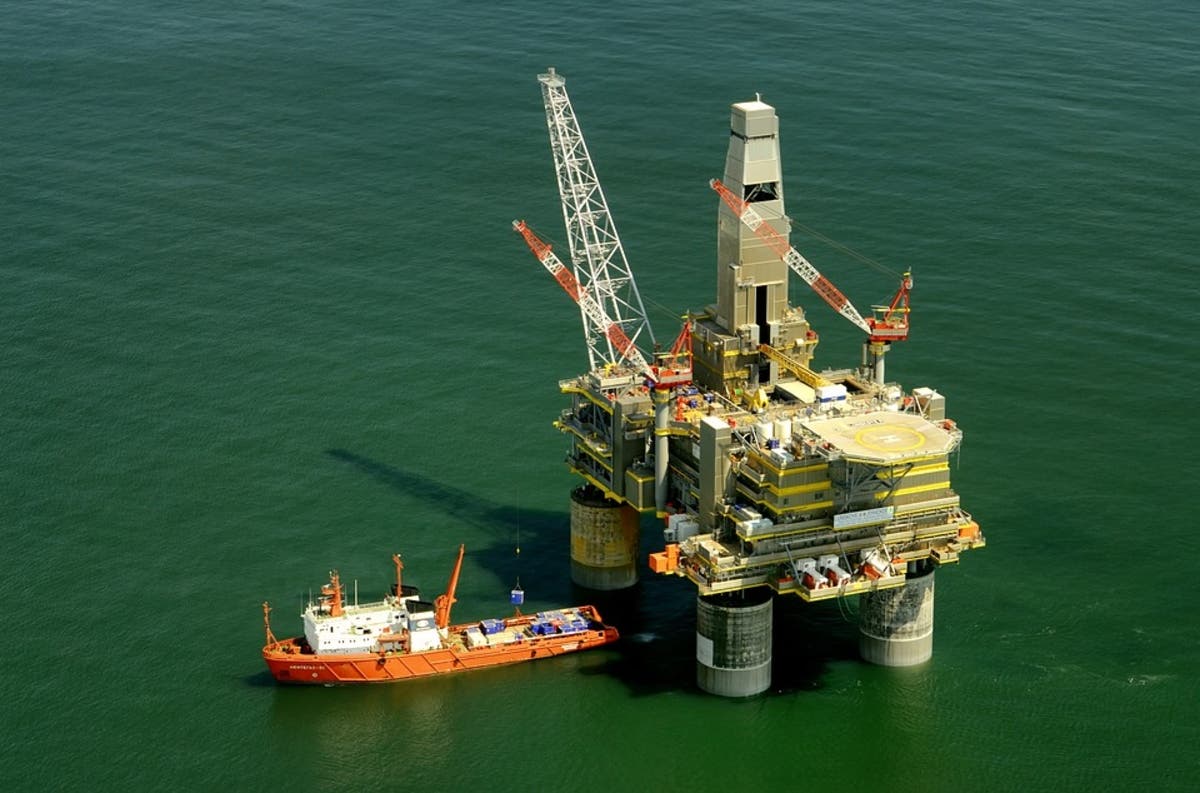
MIDDLETOWN, NJ — The all-Republican Monmouth County Board of Freeholders is vehemently against plans from the Trump administration to explore oil and natural gas drilling off New Jersey's coast.
The Board of chosen Freeholders put out an official statement Tuesday, saying they are opposed to any fossil fuel exploration off New Jersey's beaches. Senator Declan O’Scanlon and Assemblywoman Serena DiMaso, also both Republicans who represent Monmouth County in Trenton, oppose the drilling, as well.
“On behalf of my fellow members of the Monmouth County Board of Chosen Freeholders: Lillian Burry, John Curley, and Patrick Impreveduto, I am announcing our strong opposition to the proposal made by U.S. Secretary of the Interior Ryan Zinke, to expand off-shore drilling for oil along the eastern sea coast, and most importantly the Jersey Shore," said Freeholder Director Tom Arnone. "We support the bipartisan action taken over the weekend by Governor Chris Christie, Governor-Elect Phil Murphy and U.S. Senators Bob Menendez and Corey Booker to demand that Secretary Zinke give the same exemption consideration to New Jersey that the state of Florida received."
Find out what's happening in Middletownfor free with the latest updates from Patch.
Opposition to Trump's energy plans has clearly united both Democrats and Republicans in the Garden State. Outgoing Gov. Christie and new Gov. Phil Murphy, sworn in just yesterday, have joined forces with Sen. Cory Booker to fight Trump's proposal.
While the political opposition is loud, the facts are less so:
Find out what's happening in Middletownfor free with the latest updates from Patch.
The U.S. Department of Interior wants to explore oil and natural gas drilling in the Outer Continental Shelf of the Atlantic Ocean. The seismic blasting to see if oil is there, and eventual drilling, was originally proposed to be done in an area tens of thousands of miles wide, stretching from the New Jersey/Delaware border to central Florida, but President Trump granted Florida an exception earlier this month.
New Jersey was not so lucky.
The area to be explored for drilling begins three nautical miles off the coastline and extend out to sea for 200 miles.
That part of the Atlantic Ocean was protected under President Barack Obama's Outer Continental Shelf Lands Act. He blocked any fossil fuel exploration in those ocean waters until 2022.
If Trump gets his way, oil companies would lease those parts of the Atlantic from 2019 through 2024, when the proposed drilling period would begin and end.
"We're creating a new offshore oil and gas leasing program," Trump has said, speaking before the U.S. Energy Department. "America will be allowed to access the vast energy wealth located right off our shores. And this is all just the beginning — believe me. The golden era of American energy is now underway."
Trump plans to export the oil and natural gas to other countries. Those who support the plan say oil drilling will create thousands of new jobs in the area, and will also create billions of dollars in revenue the federal government can in turn put back into the national park system and protecting the environment. Trump also says domestic oil exploration will free the U.S. from its dependence on oil and gas from other countries.
But Monmouth County says one oil spill or accident could devastate New Jersey's tourism economy and environment.
"One catastrophic accident like the Deep Water BP Horizon disaster could devastate the tourism and commercial fishing industries for decades to come," said Arnone. "We demand that a Federal public hearing be held in this region before any further action is taken on this proposal. We will not sit idly by while decisions are made about the financial and environmental sustainability of this region in a vacuum."
The first step before drilling is seismic testing to look for oil and natural gas. The National Marine Fisheries Service said it would grant five permits in the Atlantic for seismic testing. Seismic testing involves ships trolling that segment of the Atlantic, using airguns to send ultrasound waves through the water every ten seconds or so. This blasting can continue for months on end.
Seismic blasting has been shown to be harmful to whales, particularly endangered baleen whales. Some scientists say the blasting can prevent them from communicating via "whale songs," and cause them to abandon their habitats. The underwater blasting can also be harmful to porpoises and any other marine mammals.
But Jeff Tittel, director of the New Jersey Sierra Club, said there is some misinformation on both sides about just how harmful seismic blasting is.
"They are explosions but not the violent kind. It's like underwater fireworks," said Tittel, who is against the oil exploration. "Mammals do get scared and spooked. It's not a direct physical threat to whales, but 'annoyance' is also too mild of a word. These shock waves are unnatural sounds. The blasting can cause whales to run aground or do things they shouldn't do, like run into a ship. It does harass them."
When he was president, Obama previously planned to allow oil and gas drilling off Virginia, North Carolina, South Carolina and Georgia. However, his administration dropped those plans in the face of local opposition and U.S. Navy, which said they do military testing and drills in those waters.
Past Patch reporting: Trump Takes First Steps On Drilling Off New Jersey Coast
Image via Pixabay
Get more local news delivered straight to your inbox. Sign up for free Patch newsletters and alerts.