Kids & Family
Tour Oasis, A Working Farm For Adults With Autism In Middletown
Off Sleepy Hollow Road, in what remains of Monmouth County farm country, sits a working farm for young adults with autism. An oasis.


MIDDLETOWN, NJ — Off Sleepy Hollow Road, in what remains of Monmouth County farm country, lies a special place: A respite from the stress, loud noises and constant chatter of American life today. A quiet farmhouse located under towering pine trees. A sanctuary.
A working farm for young adults with autism. An oasis.
In fact, the farm is called just that: Oasis, LLC. Oasis was founded by Mai Cleary and her husband in 2011. Patch toured the 26-acre property one day this spring.
Find out what's happening in Middletownfor free with the latest updates from Patch.
The Clearys are a Middletown couple whose oldest son was diagnosed on the autism spectrum at the age of 4. The idea for Oasis started forming then, when Mai started reading everything she could get her hands on after he was diagnosed. Bittersweet Farms in Ohio, the first working farm for adults with autism in the nation, was a key inspiration.
"You know, autism doesn't just go away. There's so much focus today on providing support for children with autism, but people spend far more of their lives as adults," said Cleary. "And by age 21, they phase out of the public school system."
Find out what's happening in Middletownfor free with the latest updates from Patch.
"The idea for Oasis is simple: Children with autism grow up," she said.
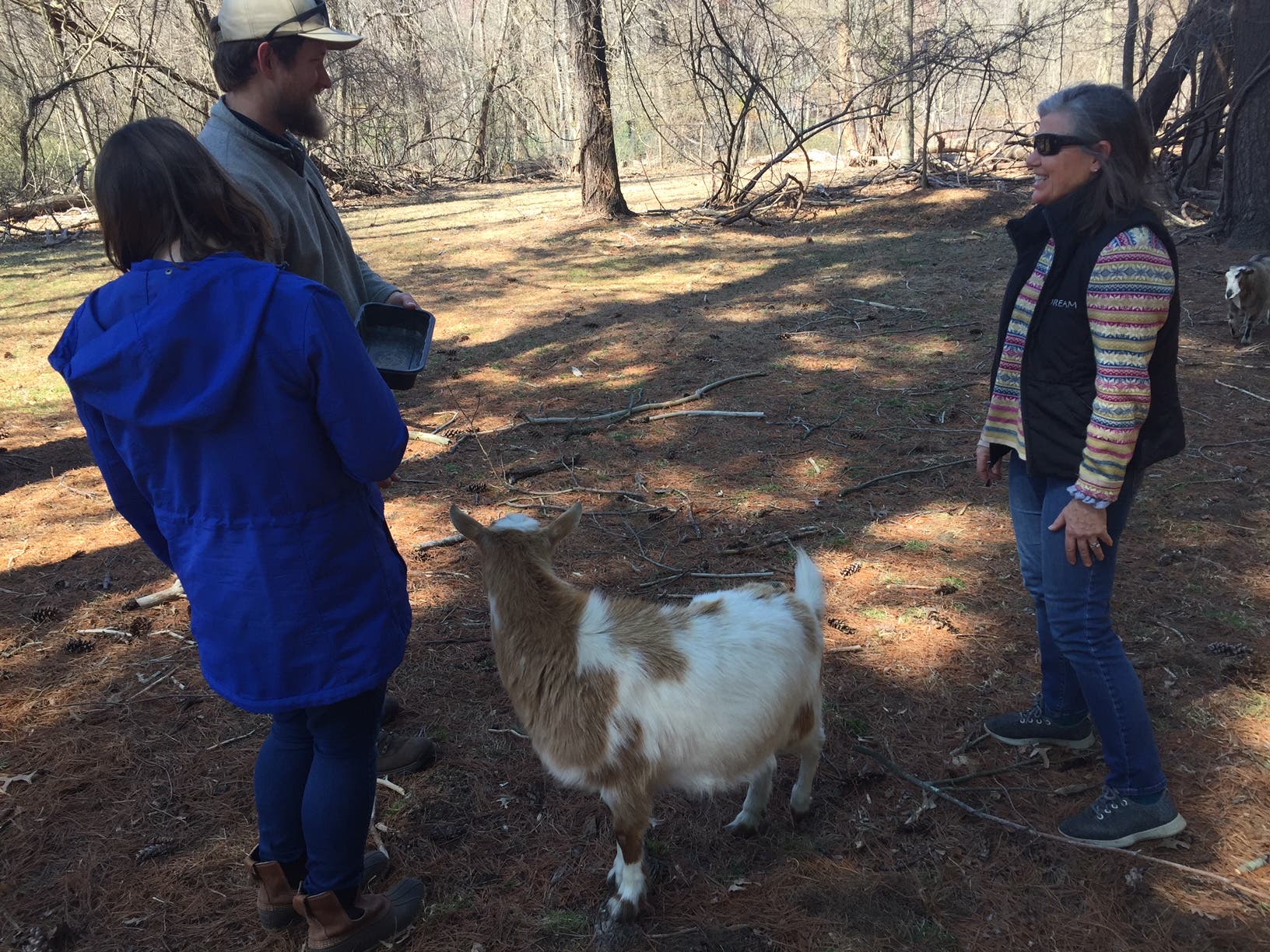
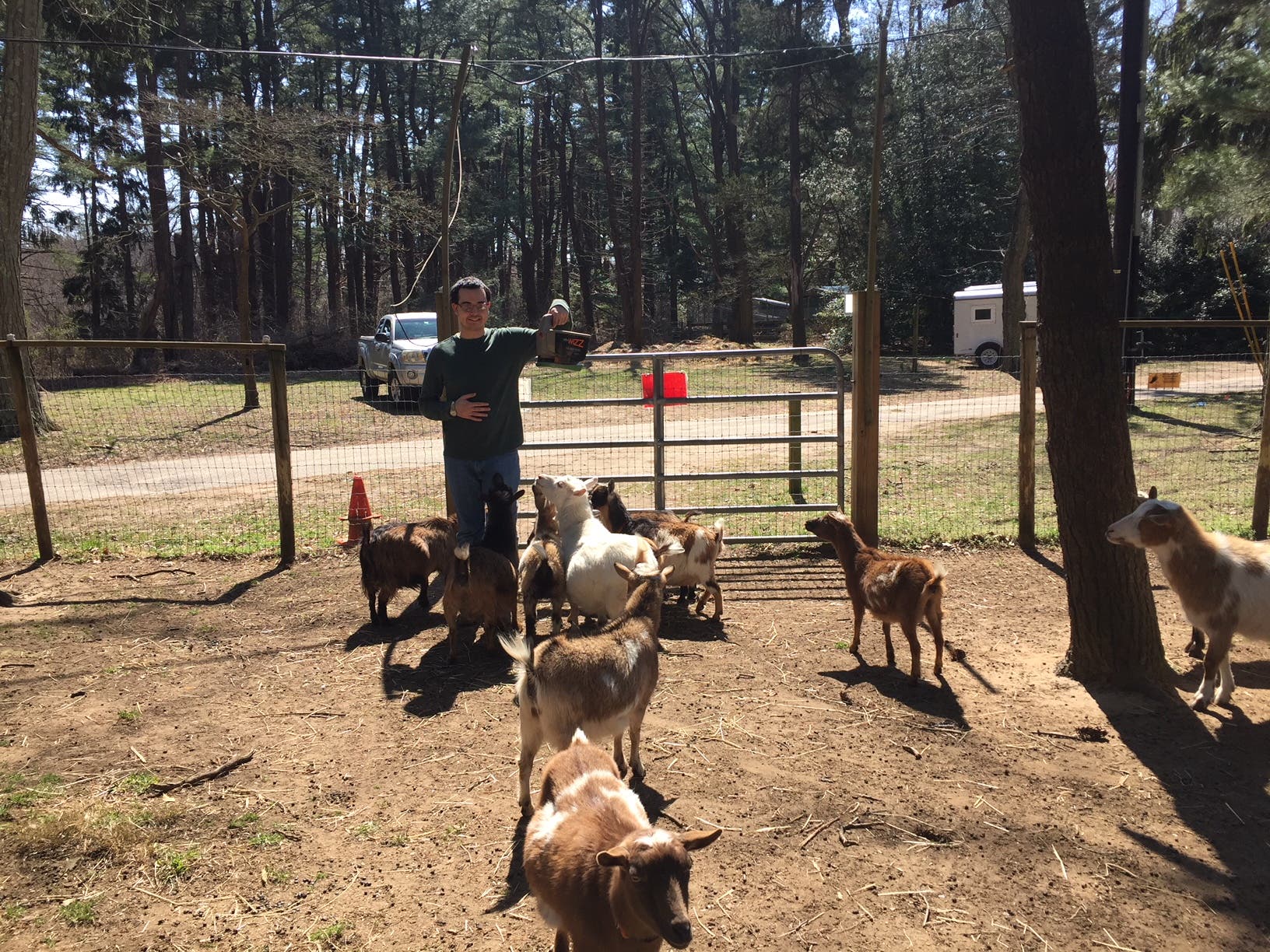
At Oasis, young people live on the farm; they each have their own room in the rambling Revolutionary War-era farmhouse and every day they have a long list of farm chores to do. A counselor sleeps overnight there, as well. Some residents also come just for the day program.
It's a farming life: They awake with the roosters at dawn, have a communal breakfast and then get to work feeding the animals. The rest of the day is spent doing farm work, be it planting seed, working in the vegetable garden/solar-powered greenhouse or milking goats. They also have exercise breaks and yoga classes. Support staff, therapists and volunteers come in the daytime, and help the residents. Oasis grows nearly everything they eat on the property and they have a farm stand on Sleepy Hollow Road, where they sell what they make: Soap, fresh lavender from the garden, fresh goat milk, eggs, goat milk lotion and natural insect repellent.
Twice a month they hold a special tea, where nearby residents from Middletown, Lincroft and Colts Neck pay to be served a traditional high tea, complete with scones and clotted cream. Oasis residents wait on them; it's called the "Social Graces" tea to teach the residents social skills, Cleary explains. In the summer, they also serve a paid breakfast on the farmhouse porch to neighbors.
On the weekends, residents go home to their families and return Sunday night, ready to begin the week anew.
Oasis is open to adults ages 18 to 27. Cleary said ideally, young people stay at Oasis for four to five years, and are then better equipped to work in the world.
"They're learning how to live away from home; they're learning social skills," she said. "We have a range of people here, from non-verbal to high-functioning adults with autism. But even for those who are high-functioning — these people are still working hard to get through the day. It's stressful for them."
Imagine having double vision all the time, said Cleary, who is trained as a nurse. That's what having autism is comparable to. It's difficult for them to focus on what someone is saying and to make eye contact, she said.
"It's also difficult for them to make friends. And that's the hardest part for parents, I've found. You just picture this really lonely child and really lonely adult," she said.
But once they get to Oasis, residents usually thrive. "Kids have done better in three months in our program than they have in 12 years of school," she said. She's seen young adults bond instantly. Even for those who don't have verbal skills, strong friendships have formed on the farm.
"We have residents who are inseparable," she said. "For them, it's like going home to people who speak their own language."
Oasis also works with a number of local business partners: Cups & Cakes in Rumson buys their farm-fresh organic eggs. Fair Mountain Coffee in Atlantic Highlands sells their coffee mugs, decorated by residents. They grow grain and hops, which they then provide to Carton Brewery in Atlantic Highlands to make into beer. The Whispering Onion catering business in Sea Bright employs some of the residents as food prep staff. And the Red Bank Whole Foods gives them all their soon-to-expire produce, which residents make into banana bread and strawberry jam and sell at their farm stand.
In the mid-1990s, autism was not nearly as prevalent as it is now. There were only a handful of kids in the Middletown school system who could be defined as "special needs." Cleary is one of the founding parents of Middletown schools' special-needs program, known as IMPACT. When she started it, for her son, there were only five children total in the program. Today, school districts like Middletown and Holmdel have some of the most highly-regarded inclusion programs in the state.
Now in his mid-30s, Cleary's son graduated from an inclusion program at The College of New Jersey, and she and her husband were immensely proud of him. But after graduation, she said they noticed he was struggling: It was difficult to find a job. He seemed lonely in his Red Bank apartment.
"It's really hard for them to be employed and people out there don't understand what it's like to have autism." "We just always thought farm life would be good for him. And for others."
For young people who truly thrive in the Oasis setting, another goal is for them to be hired back full-time as paid Oasis staff.
Right now, Oasis is also only pulling attendees from the greater Monmouth County area. Cleary said she's found it's better if residents have family close by, so they can go home and visit if needed.
As word of Oasis spreads, Cleary said many families want to get their son or daughter "in" to the farm. Parents pay to send their children here, but much of that is reimbursed by a stipend parents receive from the federal government. Oasis is a non-profit; Cleary said every dollar the LLC makes is put back into the program.
"We get two to three calls a week, and we're turning people away," she said. "To make it work, we have to keep our number small (there are only six overnight residents at the Sleepy Hollow Road site). Right now, we're the only program in the state of New Jersey like this. But ideally, I want to see us as a model. I want other places to copy us and open up other farms like this."
Oasis is expanding: They recently purchased a second estate a few miles away on Navesink River Road, and a number of young people live there, as well. The property is up and fully functioning, however the Clearys in the middle of a protracted legal battle with some neighbors, who resisted having a home for autistic adults open up next door. The fight has turned nasty: The neighbors dumped hundreds of pounds of horse manure on their land, and also spray painted their driveway, all in attempt to scare them away. Oasis was sued, and then the Clearys counter-sued for harassment.
But it's not stopping them: They are working on plans to purchase a third farm in the Middletown area, as well.
"More and more children are getting diagnosed with autism every day," said the mom. "There are enough people out there with autism who need our help."
Past Patch reporting:
Middletown Neighbors Fought Farm For Autistic Adults, Suit Claims
Get more local news delivered straight to your inbox. Sign up for free Patch newsletters and alerts.