Health & Fitness
What Is Your Microbiome? And 3 Things That Could Change It
The microbiome may play a role in cancer prevention, treatment, and recovery. MSK gastroenterologist Robin Mendelsohn explains.

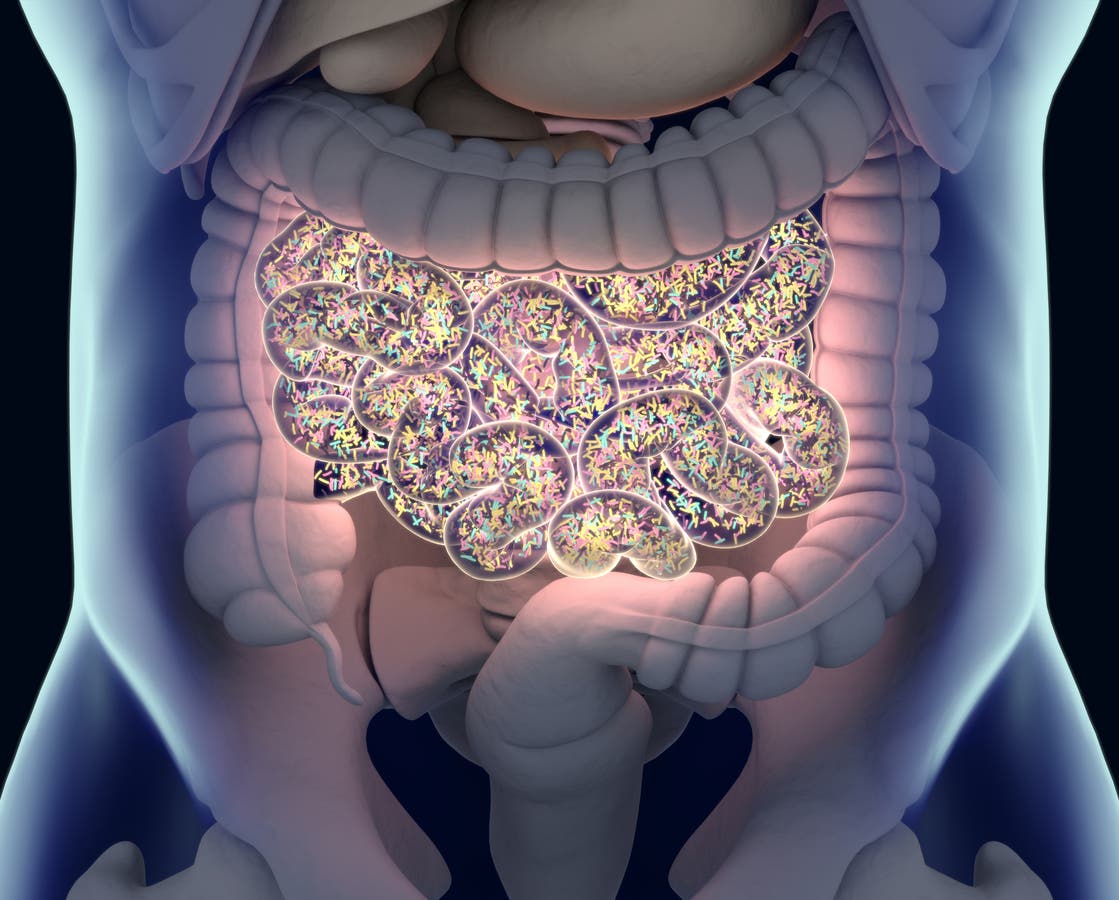
Time for a gut check: What do we know about the trillions of bacteria swarming in and around our bodies at any given moment?
The answer: not as much as we’d like. That’s why researchers at Memorial Sloan Kettering (MSK) and beyond are studying the microbiome. This is the community of bacteria, viruses, fungi, and other organisms found throughout the body but especially in the digestive tract, mouth, and genitals, plus on the skin. Researchers are looking into how the contents of a person’s microbiome might influence his or her health.
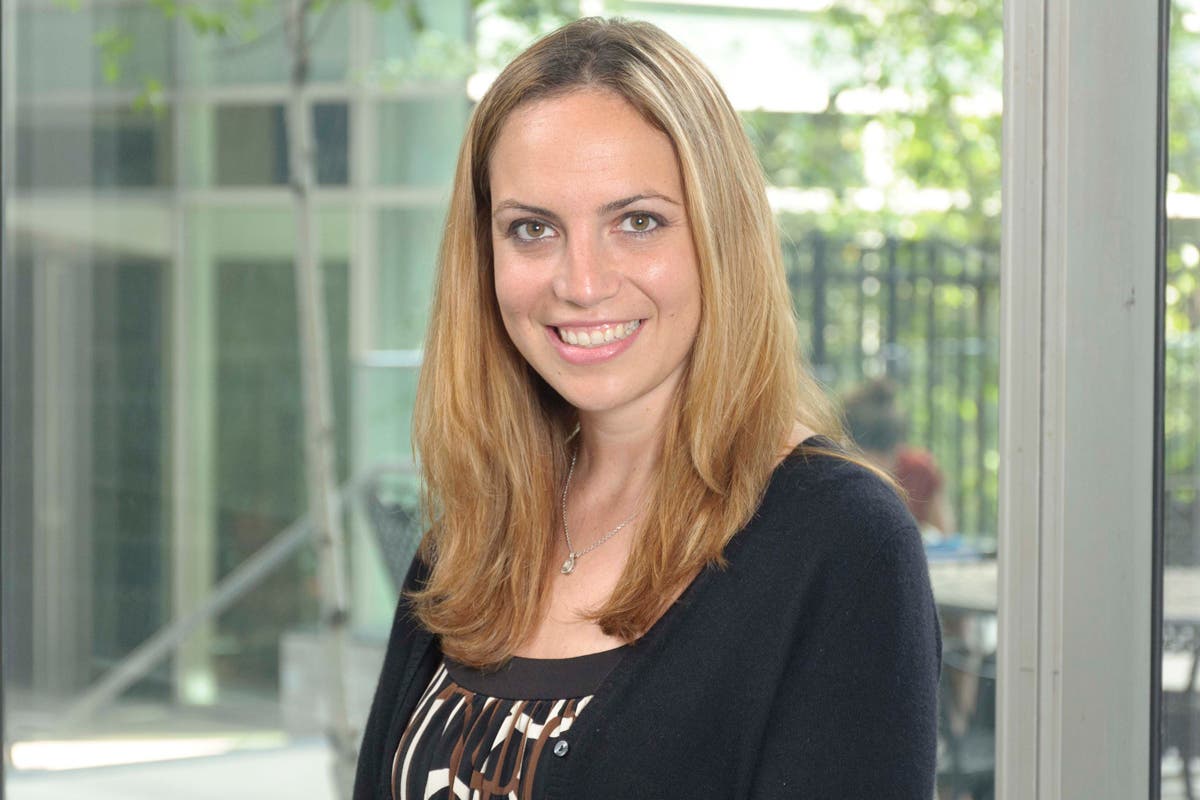
“It’s a very hot topic, and I think it has the potential to answer many questions about the causes and outcomes of diseases, including cancer,” says Robin Mendelsohn, MD, a gastroenterologist at MSK. “It may help us understand why some people develop diseases and others don’t, and even why some people respond to treatments and others don’t.”
Find out what's happening in Middletownfor free with the latest updates from Patch.
Scientists don’t yet know the exact role of the microbiome in human health. Though they have seen that a microbiome with various strains of bacteria is best.
“Having a low diversity of microorganisms has been shown to possibly be associated with different diseases, like cancer, obesity, and irritable bowel syndrome,” says Dr. Mendelsohn.
Find out what's happening in Middletownfor free with the latest updates from Patch.
The implications for people with cancer are just scratching the surface. "Immunotherapy, which harnesses a person’s own immune system to attack cancer, is revolutionizing how cancer is treated, and the microbiome may play a role," Dr. Mendelsohn says. A healthy microbiome may also help people with cancer who have recently had bone marrow transplants with their recovery.
“The microbiome might be involved in the prevention of cancer, the progression of cancer, the side effects of treatment, and long-term survival,” she says.
Changing Your Microbiome
Your microbiome changes on a day-to-day basis depending on all sorts of factors. But there are ways to change its content significantly over time. One is a fecal transplant, in which doctors transplant stool from a healthy person to an unhealthy person. Fecal transplants are currently approved for people with a Clostridium difficile infection that recurs or does not respond to treatment. This infection can be triggered by antibiotics that change the contents of the microbiome.
Not all methods for creating a more diverse microbiome are as invasive, though. Dr. Mendelsohn says modifications in the following could all play a role:
#1 Diet: “Diet is probably the easiest way for someone to change his or her microbiome,” Dr. Mendelsohn says. But her advice goes beyond the conventional wisdom to eat more yogurt for its beneficial bacteria. “The amount of probiotics you’re getting from yogurt is questionable,” says Dr. Mendelsohn. That’s because both stomach acid and the pasteurization process can kill off the bacteria. You’re more likely to benefit from prebiotics, which fuel the beneficial bacteria in your body. Prebiotics are found in fiber-rich foods, like oatmeal, whole grains, fruits, and vegetables. If you’re eating a well-balanced diet, chances are you’re already getting a good amount of prebiotics.
#2 Behavior: There are data to suggest that regular exercise, enough sleep, and a low stress level may help the bacteria in a body thrive.
Antibiotics. Each antibiotic is different, and each person’s microbiome responds differently, but even just a single dose of an antibiotic can alter the contents of the microbiome, says Dr. Mendelsohn. That’s not a reason to swear them off, though. “Antibiotics save lives and should be used when needed,” she says. “But the doctor and patient need to decide if they’re necessary.”
Learn more about Memorial Sloan Kettering's outpatient cancer centers in New Jersey at www.mskcc.org/newjersey.
A member of the Memorial Sloan Kettering – Hackensack Meridian Health Partnership
Click here for more cancer news from Memorial Sloan Kettering.
First Photo: Scientists don’t yet know the exact role of the microbiome in human health. Courtesy of Memorial Sloan Kettering