Politics & Government
Millburn May Make Big Changes To Its Government If Voter Referendum Passes
Millburn could make some fundamental changes to how its government works. Here's what local voters should know about the special election.


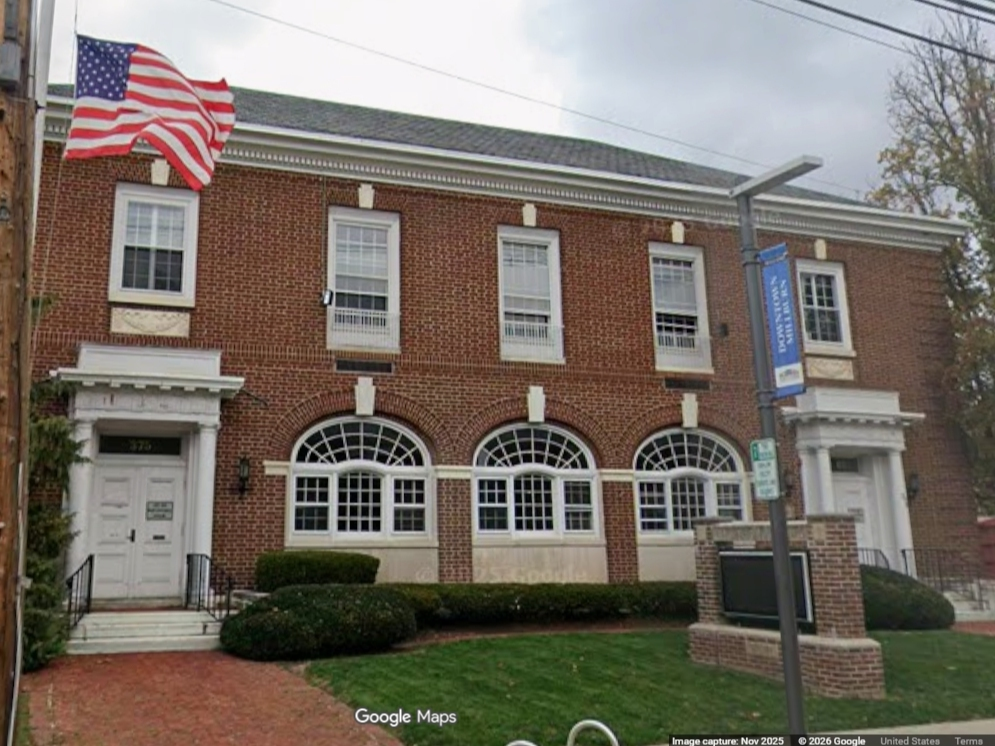
MILLBURN, NJ — Millburn may make some major changes to how its local government works this June – if voters approve.
On June 16, residents will be asked to vote on a special referendum that would switch the township to a “council-manager” style of government under New Jersey’s Optional Municipal Charter Law (Faulkner Act). Polls will open at 6 a.m. and close at 8 p.m.
According to the Millburn Charter Study Commission, here are some things that will change if the referendum passes:
Find out what's happening in Millburn-Short Hillsfor free with the latest updates from Patch.
- Nonpartisan local elections would be held every other November
- Seven council members would be elected at-large to staggered, four-year terms
- The mayor would be selected from among council members by a majority vote of the council
- Initiative and referendum powers would be available to Millburn residents, allowing citizen groups to propose legislation or call a referendum without involving elected officials
- A municipal manager would be appointed under state statute, providing stronger structural protections than the current business administrator position, which is created by local ordinance
If the referendum passes, all seven members of the new council would be elected in the general election on Nov. 3, 2026. The new government would take effect Jan. 1, 2027.
At its organizational meeting, the new council would select a mayor from among its members and conduct a random drawing to determine which four members serve an initial two-year term and which three members serve a full four-year term — establishing a staggered election cycle going forward.
Find out what's happening in Millburn-Short Hillsfor free with the latest updates from Patch.
Currently, members of the township committee are elected to three-year terms in annual, partisan elections, with either one or two seats up for election each year.
CHARTER STUDY COMMISSION
Last November, Millburn voters were asked to cast a "yes" or "no" vote on whether to elect a commission to study the town charter and potentially recommend changes to the town's form of government.
More than 65 percent of voters approved the formation of the commission. Learn more here.
After the election, the Millburn Charter Study Commission reached out to department heads and staff across several township departments, including the business administrator, municipal clerk, police, fire, public works and recreation.
The commission presented preliminary findings from its municipal employee interviews at their Jan. 22 meeting.
The commission voted unanimously to recommend a council-manager form of municipal government on March 26 after a three-hour meeting that consisted of substantive deliberation amongst the five commissioners, bookended by two rounds of comment from the public.
The question of partisan versus non-partisan elections generated the most extended debate of the evening, with commissioners – three Democrats, one Republican and one unaffiliated – openly disclosing their own party affiliations before arriving at a unanimous position in favor of non-partisan local elections.
According to the commission, about 43 percent of Millburn’s registered voters are unaffiliated – meaning nearly half of the electorate has no formal role in selecting candidates under the current partisan system. Commissioners heard repeatedly from residents who said they would consider running for local office but were reluctant to attach a party label to their name, citing professional and personal considerations. Non-partisan elections, commissioners argued, lower that barrier. It was noted that party involvement would not necessarily be eliminated, as political parties would remain free to endorse candidates and organize; those endorsements simply would not appear on the ballot itself.
- Read More: Commission Says Millburn Needs New Form Of Government
- Read More: Millburn Celebrates Big Milestones With New Mayor, Council Members
The five-member commission – chair Chris Drucker, vice chair Corey Biller, Jerry Kung, Joanna Parker-Lentz, and Shaunak Tanna – approved its final report on April 15, the day of its final public meeting. It has now disbanded.
View the commission’s final report here.
Send local news tips and correction requests to eric.kiefer@patch.com. Learn more about advertising on Patch here. Find out how to post announcements or events to your local Patch site.
Get more local news delivered straight to your inbox. Sign up for free Patch newsletters and alerts.