Health & Fitness
Johnson & Johnson Says 2nd Vaccine Shot Boosts Protection To 94%
On Tuesday, Johnson & Johnson announced that a second booster shot of its coronavirus vaccine made it up to 94 percent effective.


NEW BRUNSWICK, NJ — On Tuesday, Johnson & Johnson announced that a second booster shot made their coronavirus vaccine up to 94 percent effective at preventing severe disease.
This is according to brand-new research released by J&J Tuesday.
Prior to this, Janssen/Johnson & Johnson's one-shot vaccine provided about a 75 percent overall efficacy against severe/critical COVID-19, according to the company. It gave an 89 percent efficacy against hospitalization and 83 percent protection against COVID-19-related death.
Find out what's happening in New Brunswickfor free with the latest updates from Patch.
For comparison, protection from the two-dose Pfizer vaccine is about 88 percent and protection is the highest for Moderna, at 93 percent, according to the CDC. The CDC actually said J&J's single-shot vaccine provided about 71 percent effectiveness.
But a booster shot given two months after the first shot provided 94 percent protection against COVID-19, J&J said it found after months of research. Johnson & Johnson said a booster given six months after the single shot increased antibody levels nine-fold one week after the booster and continued to climb to 12-fold higher four weeks after the booster.
Find out what's happening in New Brunswickfor free with the latest updates from Patch.
And when a booster of the Johnson & Johnson COVID-19 vaccine was given two months after the first shot, antibody levels rose to four to six times higher, said the company.
All rises were irrespective of age, though Johnson & Johnson cautioned their findings have not been peer reviewed yet.
While the FDA and CDC are slated to give guidance on COVID-19 Pfizer and Moderna booster shots in the coming days, J&J vaccine recipients may have to wait longer for additional third shot data. Read more: FDA Endorses COVID Third Dose For Elderly, High Risk NJ Residents
The CDC currently recommends that moderately or severely immunocompromised patients receive a third dose of the Pfizer or Moderna vaccine. That includes people who have:
- been receiving active cancer treatment for tumors or cancers of the blood
- received an organ transplant and are taking medicine to suppress the immune system
- received a stem cell transplant within the last two years or are taking medicine to suppress the immune system
- moderate or severe primary immunodeficiency (such as DiGeorge syndrome, Wiskott-Aldrich syndrome)
- active treatment with high-dose corticosteroids or other drugs that may suppress your immune response
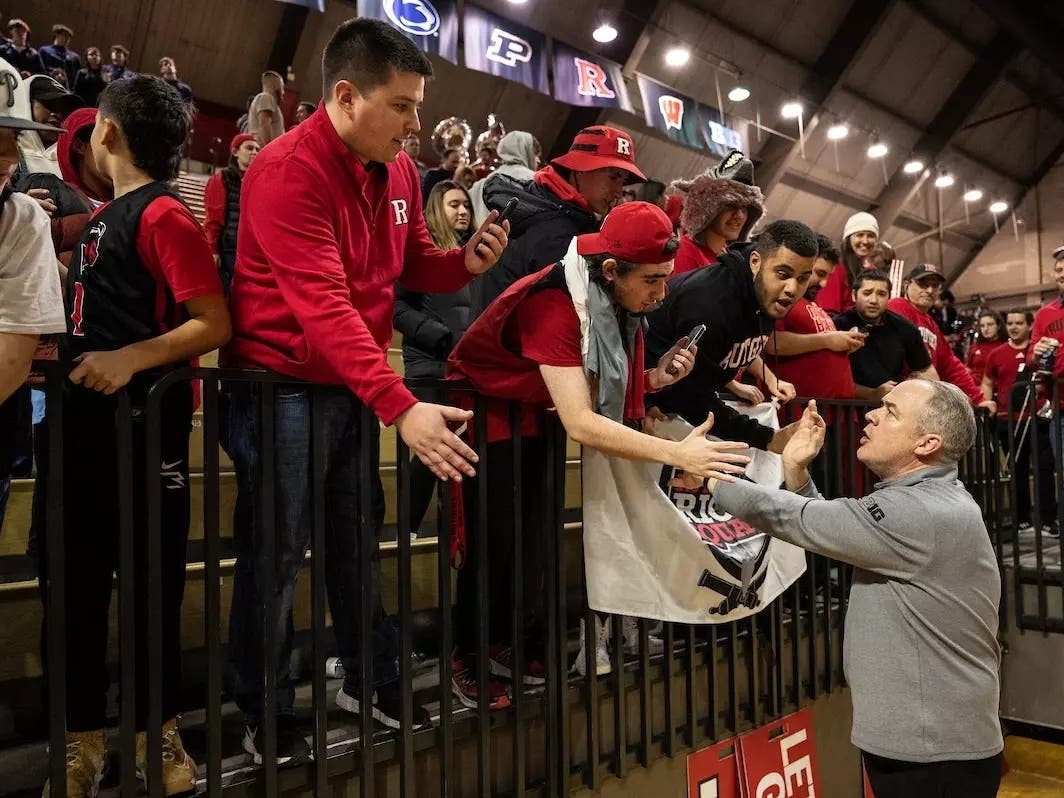
Johnson & Johnson is headquartered in New Brunswick and the company actually used Rutgers students in their coronavirus vaccine trials last November.
J&J's one-shot dose was once heralded by leaders across America as the vaccine that would officially end the pandemic: It could be delivered via one shot, so there was no need to schedule a second dose. It also not need to be stored in temperatures as cold as the Moderna or Pfizer jab.
But the roll-out of J&J's one-shot COVID vaccine was plagued with problems: First, there a quality control error at a lab outside Baltimore, and 15 million doses of the vaccine had to be destroyed. Additionally, FDA inspectors found sanitary issues at the lab, run by Emergent BioSolutions, Politico reported.
Then, the FDA and CDC paused the J&J vaccine in early April, after multiple women developed blood clots, some fatal, after taking the vaccine. There were at least 15 cases of blood clots reported after people got the Janssen/J&J shot, Dr. Tom Shimabukuro, a member of the CDC's task force on COVID-19 vaccines, said at a public hearing on the issue April 23.
All were in women, and thirteen were in the 18-49 age group, he said. Two women were 50+. Most of the women who developed the blood clots were in their mid- to late 30s, he said. In total, three died, and seven women remain hospitalized.
At that April 23 hearing, the CDC voted to re-implement use of the J&J shot, saying that those 15 blood clots were out of 7.98 million Johnson & Johnson vaccines that have been given out in the U.S. at the time, writing that "these adverse events appear to be extremely rare."
Because of the pause, J&J had to delay roll-out of their one-shot vaccine to Europe.
In New Jersey, the Johnson & Johnson jab made up less than four percent of the state's total vaccine supply, with the state much more heavily relying on Pfizer and Moderna, said Gov. Phil Murphy.
Be the first to know. Sign up to get Patch emails: https://patch.com/subscribe Contact this Patch reporter: Carly.baldwin@patch.com
Get more local news delivered straight to your inbox. Sign up for free Patch newsletters and alerts.