Health & Fitness
Rare Tick Located In Middlesex County
A rare and exotic East Asian tick has now been found in three New Jersey counties.


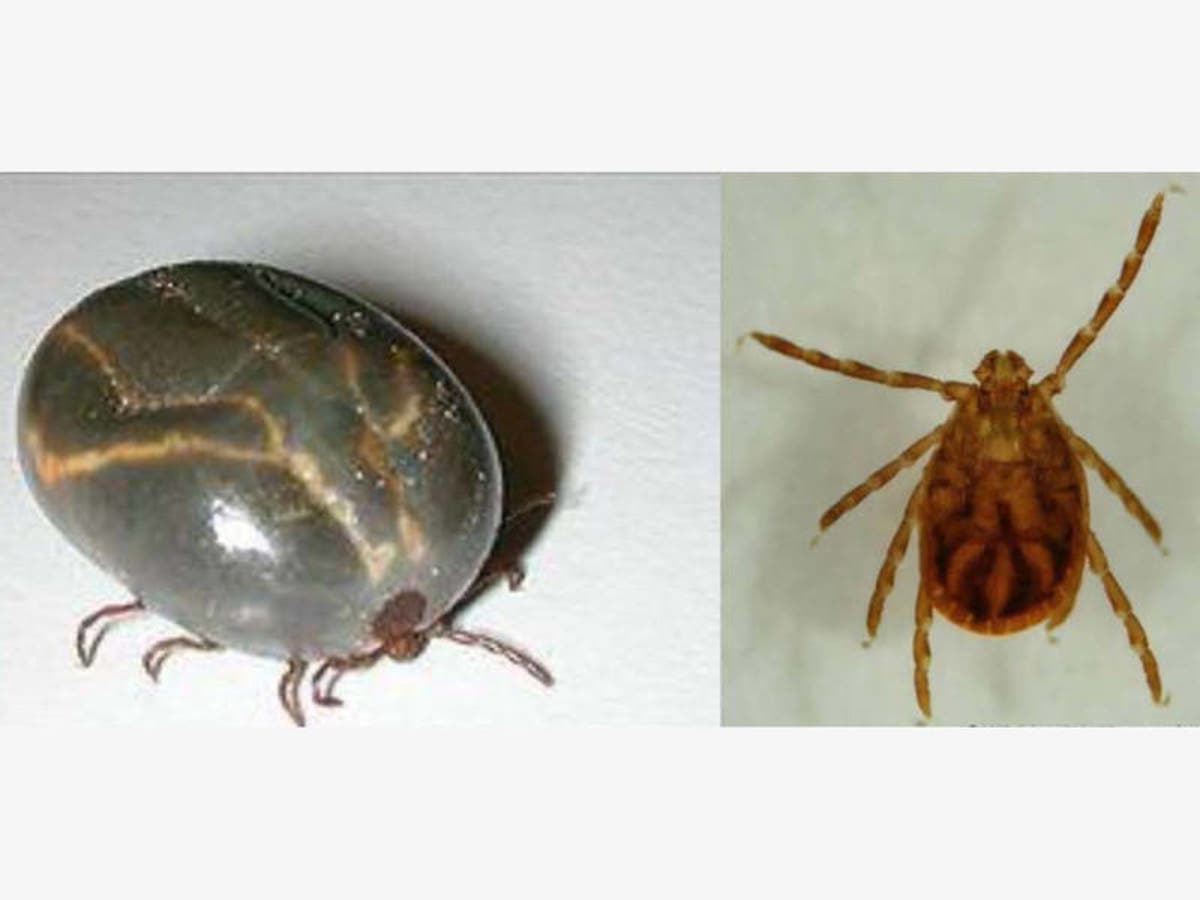
A rare and exotic East Asian tick that was found in Hunterdon and Union counties and has made its way into Middlesex County, authorities confirmed Wednesday.
The East Asian tick, also known as the longhorned tick or bush tick, was found at Rutgers University–New Brunswick’s Cook Campus farm in a patch of high grass along College Farm Road on May 10.
Last month, the tick was found on the Watchung Reservation in Union County, state officials said. The New Jersey Department of Agriculture says it's working with federal officials to eliminate the tick and contain its spread to the surrounding areas. Read more: Rare Tick Located In Union County
Find out what's happening in New Brunswickfor free with the latest updates from Patch.
The tick was initially located in November in Hunterdon County. Officials did not say in which town the farm is located. Until that time, this type of tick was not known to exist in the United States. Read more: Officials Concerned Rare Tick Now Established In Hunterdon County
How it arrived in New Jersey remains a mystery, state officials say.
Find out what's happening in New Brunswickfor free with the latest updates from Patch.
The tick is dark-brown and grows to the size of a pea when fully engorged, according to the New Jersey Department of Agriculture. This species can carry several bacterial and viral diseases, and has been associated with spotted fever rickettsioses, authorities said.
“We will continue with our plan to do what we can to delineate the areas with the tick and eliminate it from known sites of infestation,” Manoel Tamassia, the state Department of Agriculture state veterinarian, said in a statement. “We emphasize that people continue to use tick prevention measures for themselves and their animals as all ticks become more active with warmer temperatures.”
Robert M. Goodman, executive dean of the Rutgers School of Environmental and Biological Health Sciences, said the Rutgers Center for Vector Biology is playing a lead role "as we seek to determine how widespread this tick is across New Jersey, and develop the best ways to eliminate it."
"We are taking steps to eliminate the ticks where they were found on our campus," he said. "From a public health standpoint, however, people should be more concerned about our native ticks and the diseases they may carry, such as Lyme disease. Because this is tick season, people enjoying the outdoors should follow the standard steps to protect themselves, their children and their pets from tick-borne disease.”
Like deer-ticks, the nymphs of the Longhorned tick are very small, resembling tiny spiders, and can easily go unnoticed on animals and people. Although specimens identified in New Jersey have not been found to carry pathogens, Longhorned ticks in other countries have spread disease to humans. They are known to infest a wide range of species including humans, dogs, cats, and livestock, according to the release.
Surveillance has continued in the Hunterdon County and Union County sites as planned and will also continue at the Middlesex County site. The Rutgers University Center for Vector Biology, along with the Monmouth County Mosquito Control Division, led the statewide “Tick Blitz” last week with mosquito control commissions representing each county in New Jersey.
If unusual ticks are detected in livestock animals or if there are any questions regarding livestock, please contact the State Veterinarian at (609) 671-6400.
Unusual ticks detected in wildlife should be immediately reported to the New Jersey Division of Fish and Wildlife, Office of Fish and Wildlife Health and Forensics at (908) 637-4173 ext. 120.
Persons with questions about tickborne illness in humans can contact their local health department (http://localhealth.nj.gov) or the New Jersey Department of Health at 609-826-5964.
With reporting by Patch editor Kara Seymour
(Image via NJ Dept of Agriculture: Full and adult tick)
Get more local news delivered straight to your inbox. Sign up for free Patch newsletters and alerts.