Health & Fitness
Officials Concerned Rare Tick Now Established In Hunterdon Co.
A rare tick found at a Hunterdon Co. farm last fall has survived the winter, and authorities are concerned it has become established in NJ.


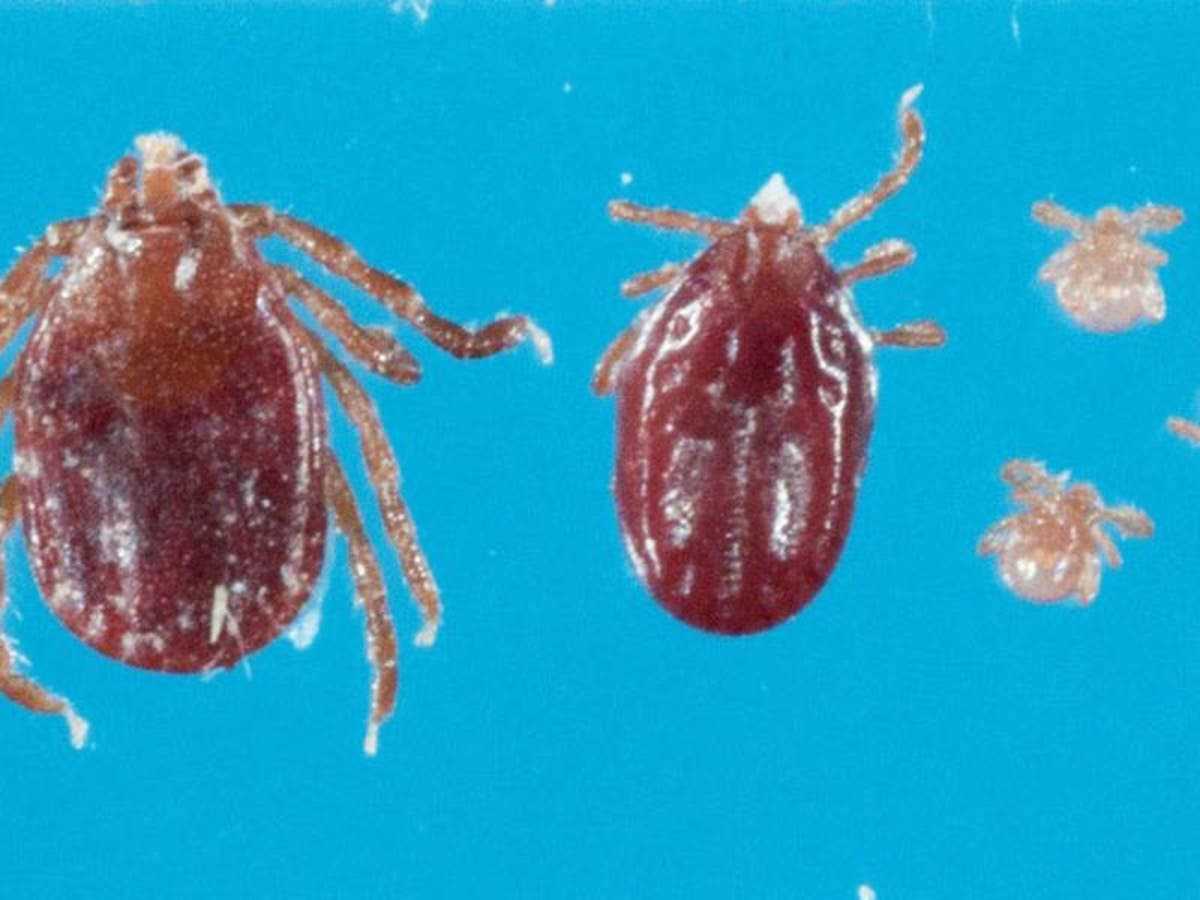
A rare and exotic East Asian tick that was found on a Hunterdon County farm last fall has survived the winter, and authorities are concerned it has become established in the state.
The East Asian tick, also known as the longhorned tick or bush tick, was located in November. Officials did not say in which town the farm is located. Until that time, this type of tick was not known to exist in the United States.
How it arrived in New Jersey remains a mystery, state officials say.
Find out what's happening in New Hope-Lambertvillefor free with the latest updates from Patch.
The tick is dark-brown and grows to the size of a pea when fully engorged, according to the New Jersey Department of Agriculture. This species can carry several bacterial and viral diseases, and has been associated with spotted fever rickettsioses, authorities said.
The New Jersey Department of Agriculture says it's working with federal officials to eliminate the tick and contain its spread to the surrounding areas.
Find out what's happening in New Hope-Lambertvillefor free with the latest updates from Patch.
"State and USDA employees will be working with the public to determine if the tick has spread to new areas and to educate the public about protecting livestock and pets from this pest," the NJ Department of Agriculture said in a statement.
Officials say property owners within a three-kilometer radius of the property where the tick was found will be receiving questionnaires to gather information vital to the investigation.
Like deer ticks, the nymphs of the Longhorned tick are very small (resembling tiny spiders) and can easily go unnoticed on animals and people. This tick is known to infest deer and a wide range of other hosts. Therefore, it has the potential to infect multiple North American wildlife species, the NJ Department of Agriculture said.
This type of tick is a "serious" pest to livestock (particularly in New Zealand), as well as wildlife, pets and humans, authorities say.
"Farmers should monitor their livestock for the presence of this tick and decreased growth rates or signs of anemia in the animals. With respect to livestock, the tick is known to transmit a disease called Theileriosis to cattle, which results in severe anemia and possibly death," the Department of Agriculture said in November when the tick was first found.
Unusual ticks should be immediately reported to the New Jersey Division of Fish and Wildlife, Bureau of Wildlife Management at (908) 637-4173 ext. 120.
Image NJ Dept of Agriculture
Get more local news delivered straight to your inbox. Sign up for free Patch newsletters and alerts.