Schools
Rutgers Invents New Type Of Pepper
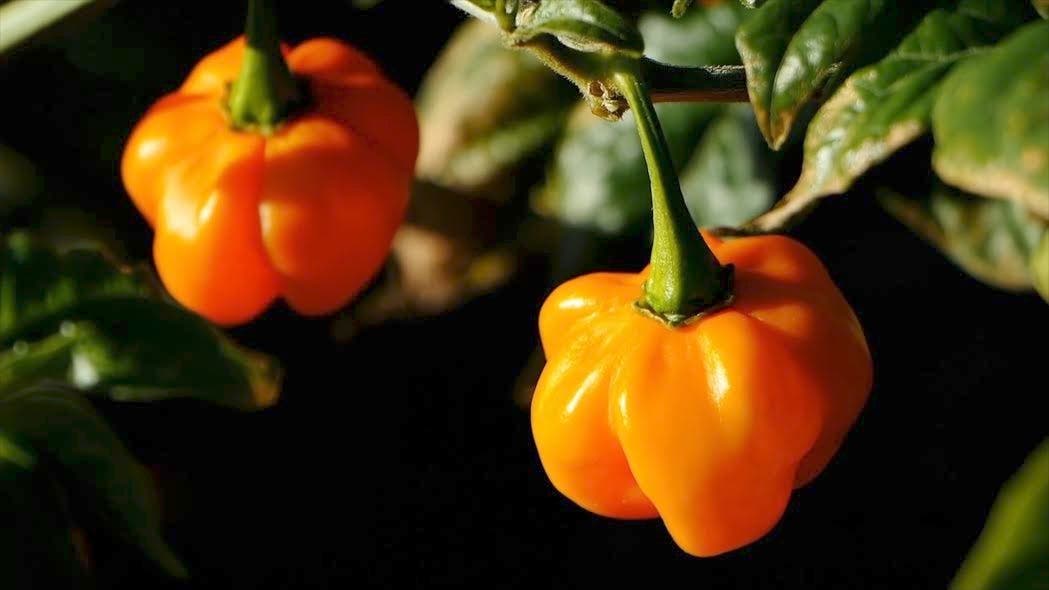
Introducing the pumpkin habanero: Rutgers plant biologists created it by cross-breeding Mexican and African peppers over six years.


NEW BRUNSWICK, NJ - The biologists and agricultural scientists at Rutgers University have been busy this winter: Inventing a new type of pepper. Introducing the pumpkin habanero, the first new variety released through Rutgers' exotic pepper breeding program.
And the pumpkin habanero will make its big debut this Saturday, when the plants and seeds will be available for sale for the first time during Rutgers Day on April 29. The plant sales can be found behind the Marine and Coastal Sciences building near Bartlett Hall.
The pumpkin habanero features a bright tangerine color, smooth skin and a distinctive pumpkin shape. The pepper actually took years to create; it was developed by Rutgers plant biologists through traditional breeding methods by crossing varieties of Mexican and African habaneros over a six-year period, the school told Patch.
Find out what's happening in New Brunswickfor free with the latest updates from Patch.
The pumpkin habanero has more heat than a bell pepper but less of a kick than a typical habanero. The heat level in the Rutgers Pumpkin Habanero is between 30,000 -50,000 Scoville Heat Units (SHU); very mild for typical habaneros, which have over 250,000 SHU.
“It is not too sharp, but it is sweet and crunchy,’’ said Albert Ayeni, a professor in the Department of Plant Biology in the School of Environmental and Biological Sciences, who oversees the exotic pepper research. “If you want to start developing a taste for spice, this is the pepper we would recommend.’’
Find out what's happening in New Brunswickfor free with the latest updates from Patch.
The Rutgers exotic pepper breeding program was formed to create a niche for New Jersey agriculture that would appeal to the state’s growing ethnic communities.

The project to develop new pepper varieties began about eight years ago with a survey of New Jersey’s ethnic markets that targeted the growing Indian, Latino and Chinese populations. Researchers set out to develop a pepper that would have broad appeal and thrive in the Garden State as a boost to New Jersey’s economy, said Jim Simon, a plant biologist and member of the pepper breeding team.
The survey revealed that a taste for poblano, chili and habanero peppers crossed ethnic boundaries, which signaled built-in market demand for new peppers and pepper-based products, Simon said.
“This has a good taste and has broad appeal beyond ethnic markets with its unique visual appeal, and pumpkin appearance and color. It’s for people who want a little bit of a bite but don’t feel like they want smoke coming out of their ears,’’ Simon said.
Researchers say the pumpkin habanero was an accidental discovery. They didn’t set out to develop a pumpkin-shaped pepper, but were trying to breed a variety that would be disease resistant, have a unique taste and appearance with high nutritional content. The pumpkin habanero is high in antioxidants, calcium, magnesium and beta-carotene.
Get more local news delivered straight to your inbox. Sign up for free Patch newsletters and alerts.